

RE Policy 2023
Spiritual, Moral, Social, Cultural Policy – Feb 2024
RE – Long term Planning
Understanding Christianity Progression of Skills
Derbyshire and Derby City Agreed Syllabus for RE
Derbyshire Syllabus Progression of Skills
Assessment
RE Statement of entitlement for church schools
Derby Diocesan Board of Education
RELIGIOUS EDUCATION is taught in accordance with the Derbyshire LA agreed syllabus and Hartington is a Church of England school. This means that the school has a strong Christian ethos with the vision statement being at its heart, which is also reflected in the teaching of religious education. Children learn about Christianity and Judaism in KS1 while Christianity, Sikhism and Islam is taught in KS2. RE encourages the children and staff to think about what they them selves and others believe but ultimately respecting the views and opinions of everyone.
Our Christian values are:
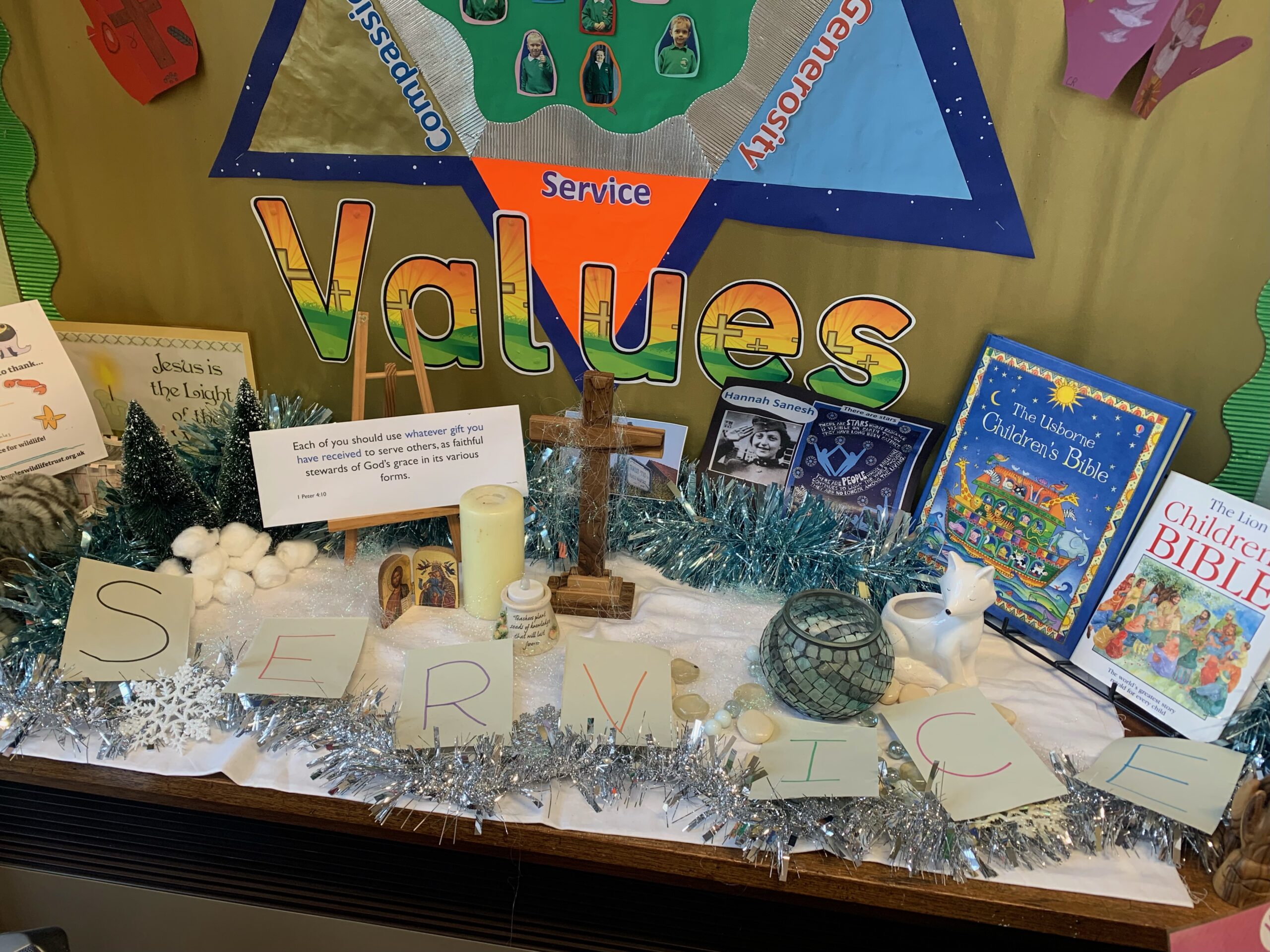
Friendship, Compassion, Service, Generosity, Trust and Respect.
Key Stage 1 – Autumn Term 1 – 2025
What times are special and why?
During Autumn term 1 2025 the children in EYFS and Key Stage 1 have been learning about What times are special and why? We also thought about how we celebrate special and sacred times.
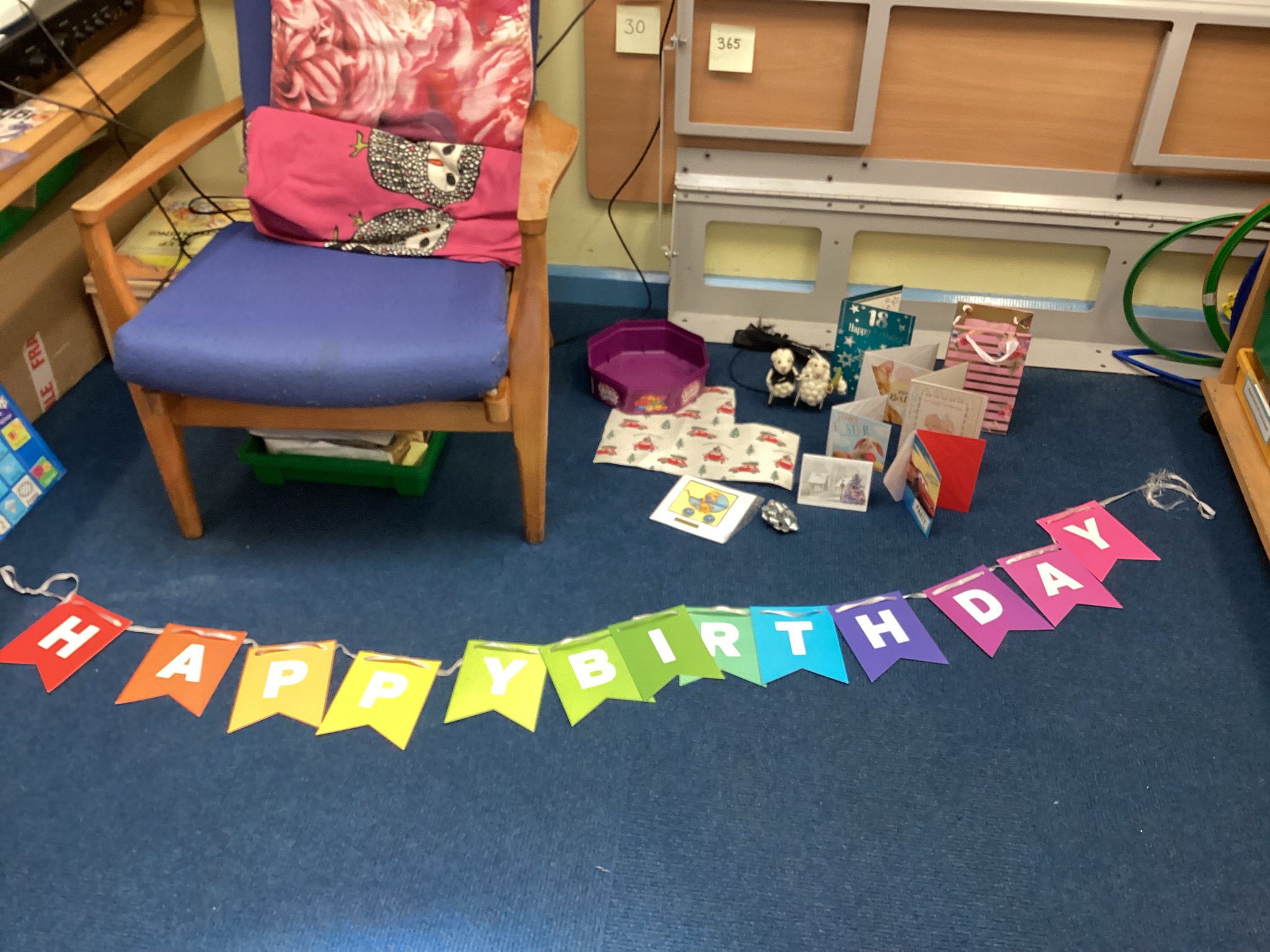
We began by using our celebration tub of reminders. This was a selection of objects that helped us to think about some of the celebrations we have previously learnt about or have been involved with celebrating. We recalled the Christian Christmas story and Easter story.
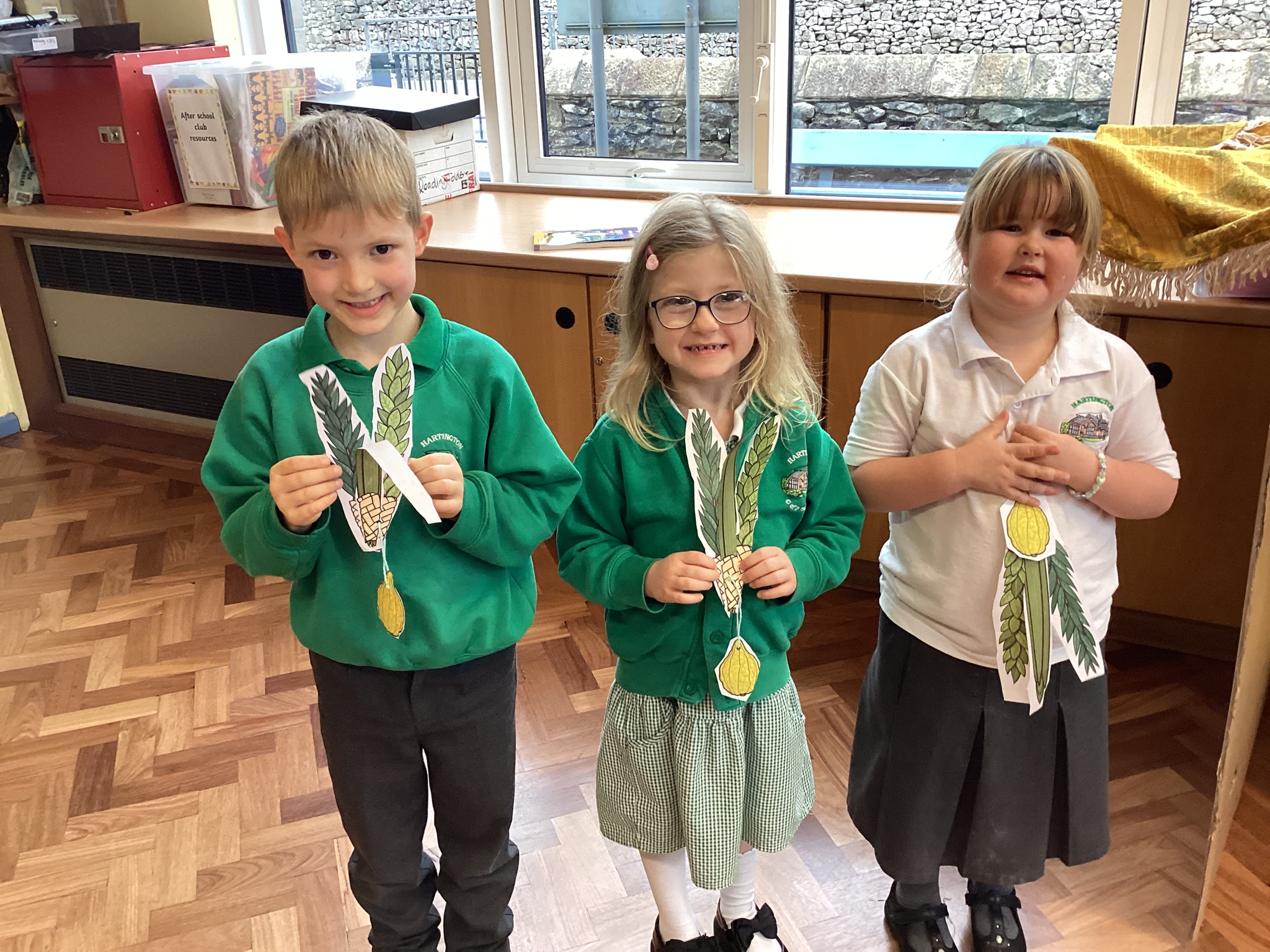
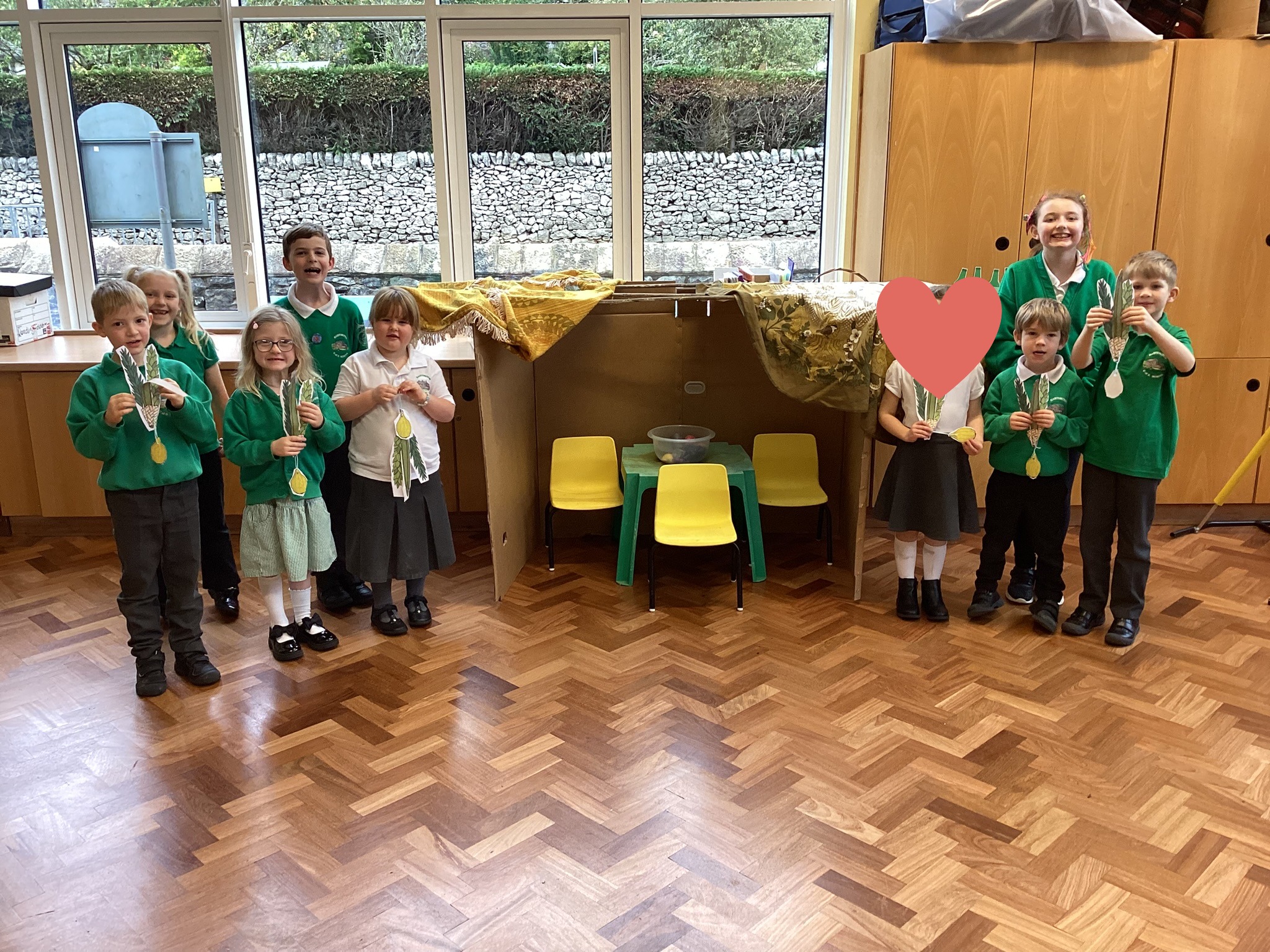
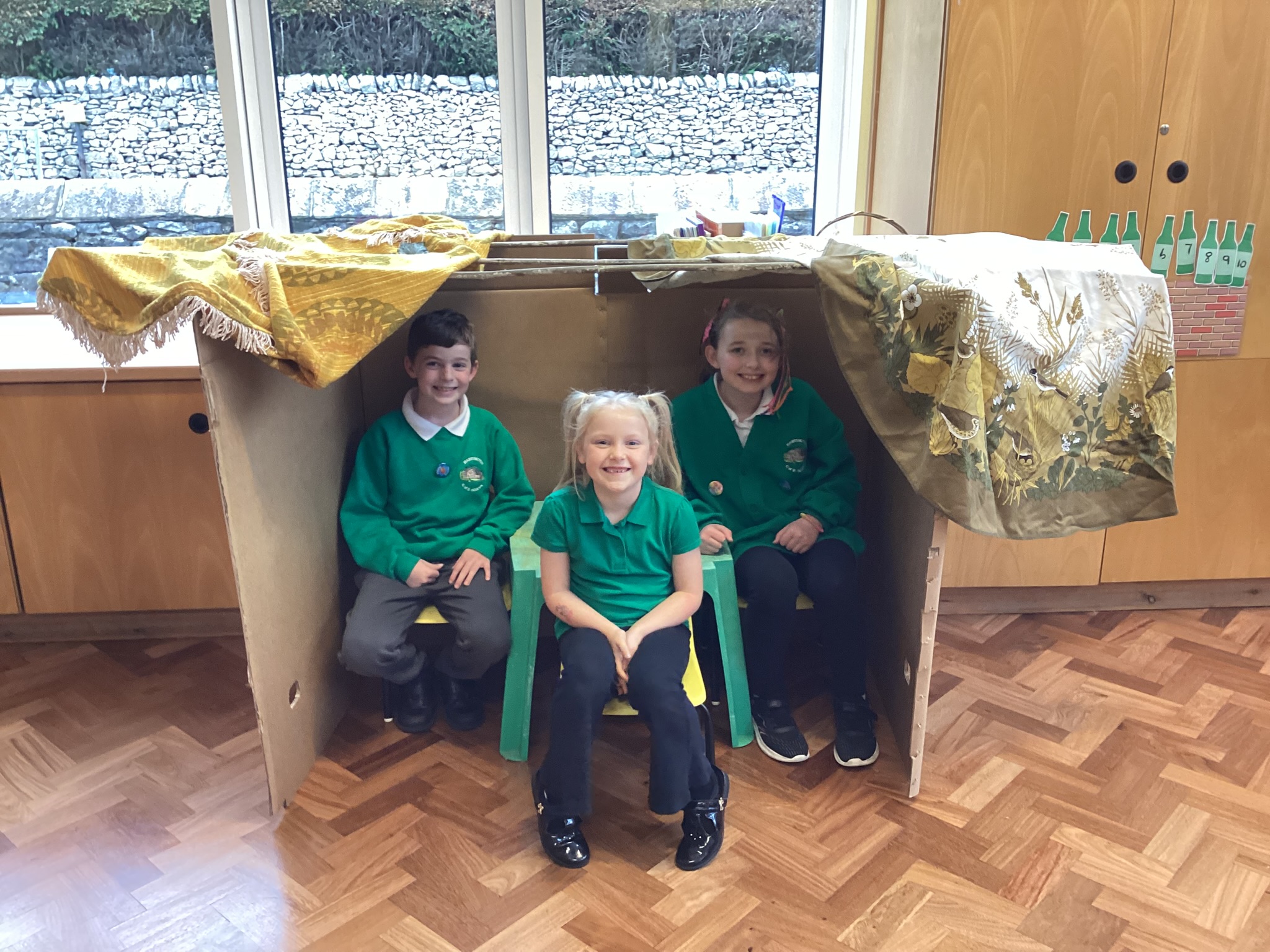
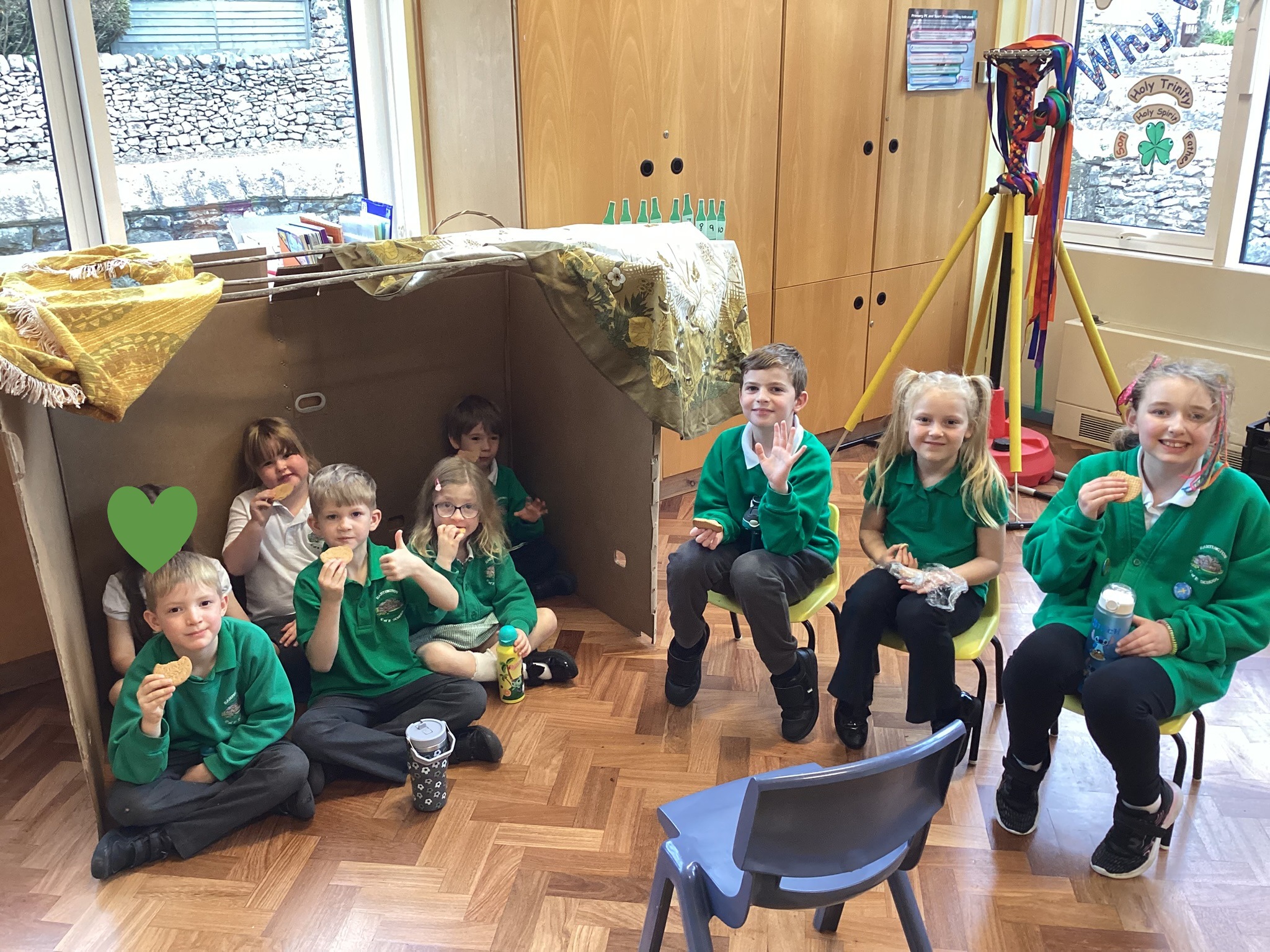
We were very excited to build our own Sukkah to help us think about the Jewish harvest festival of Sukkot. We enjoyed a drink and a biscuit sat in the Sukkah to think about how Jewish people have meals in the Sukkah during the week of Sukkot.
We ended this topic with Harvest prayers, thinking about what Christians are thankful to God for during the season of Harvest. These were included in the school church display.
Key Stage 1 – Autumn Term 2 – 2025
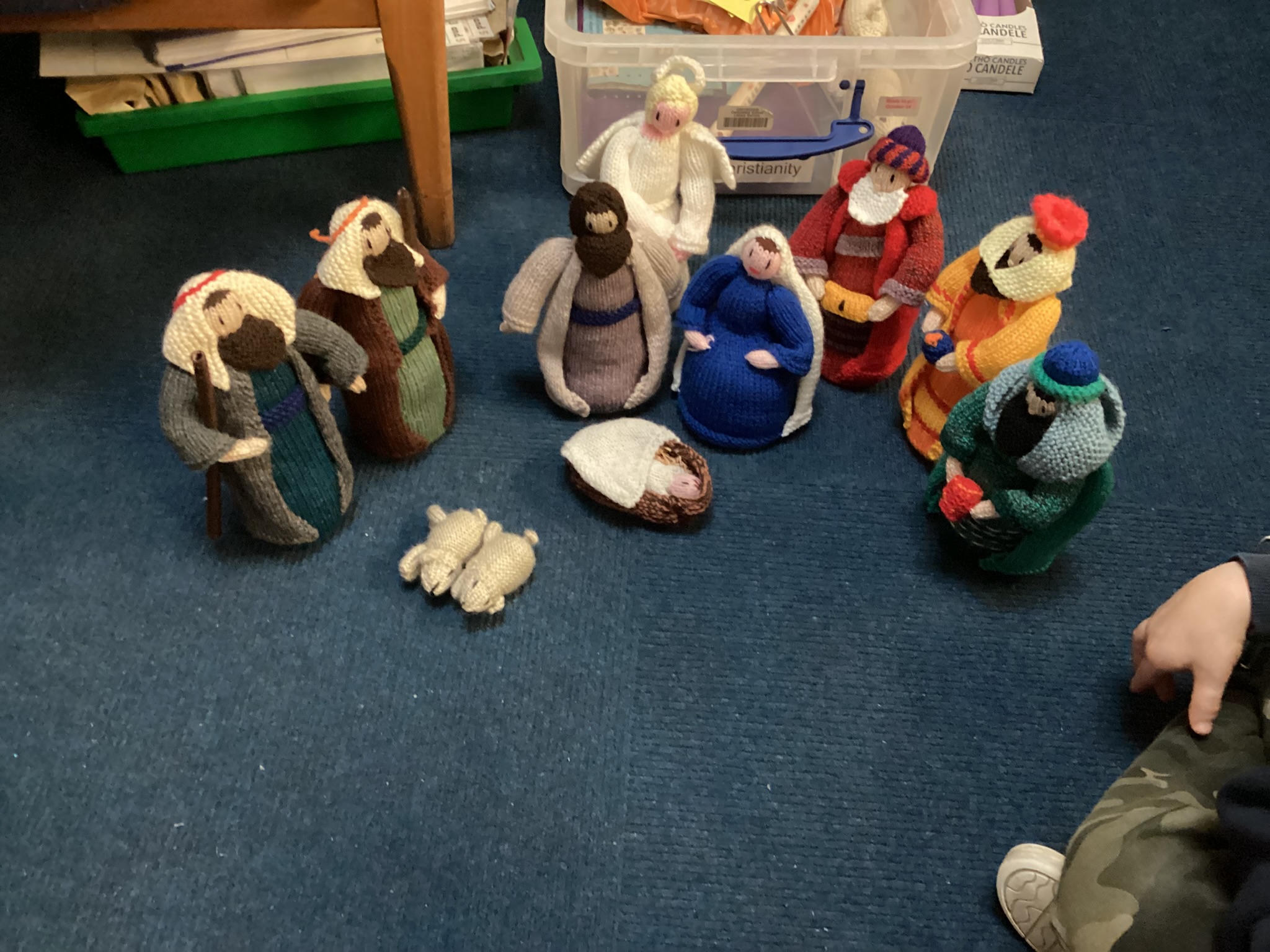
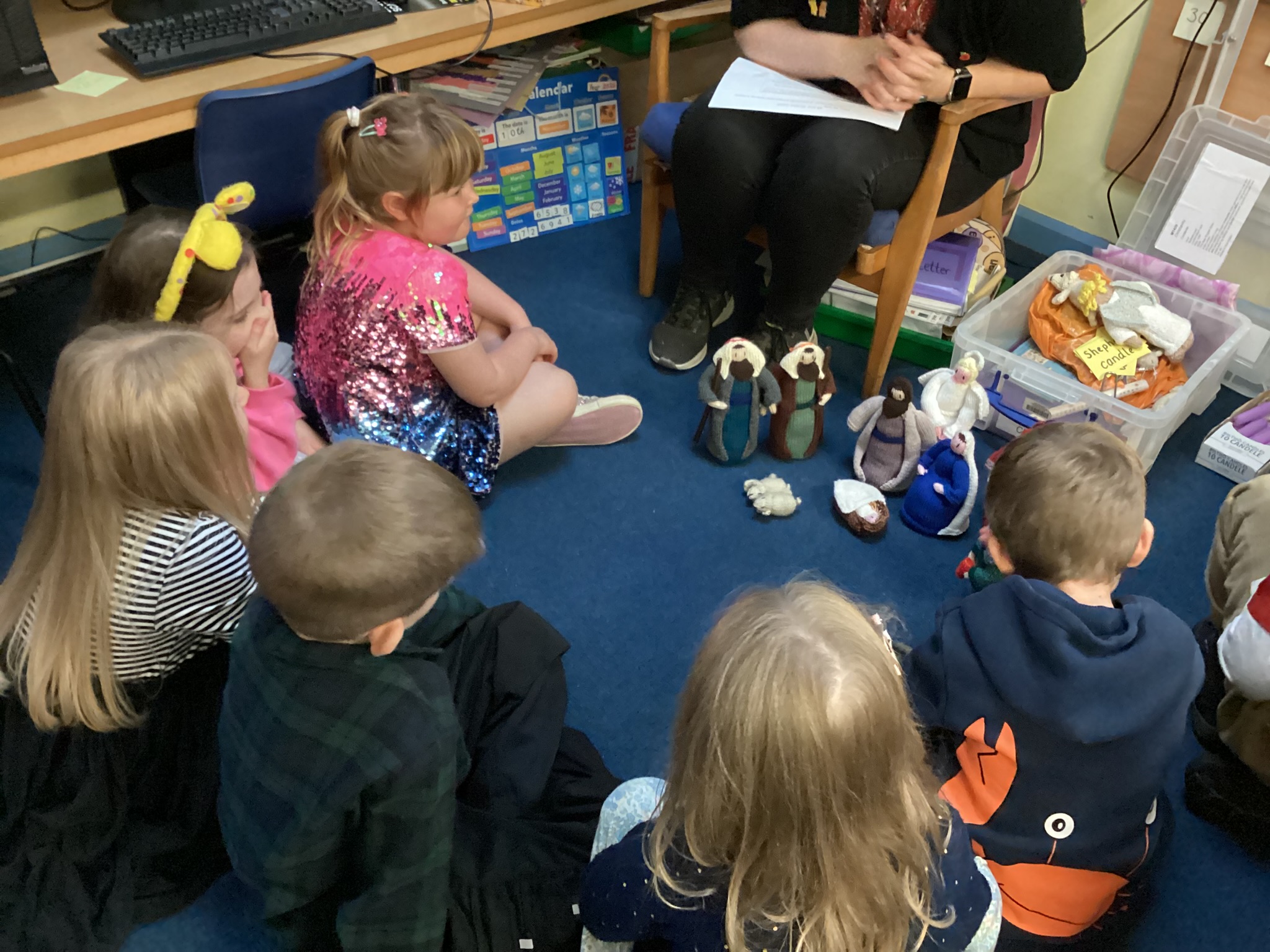
The Nativity
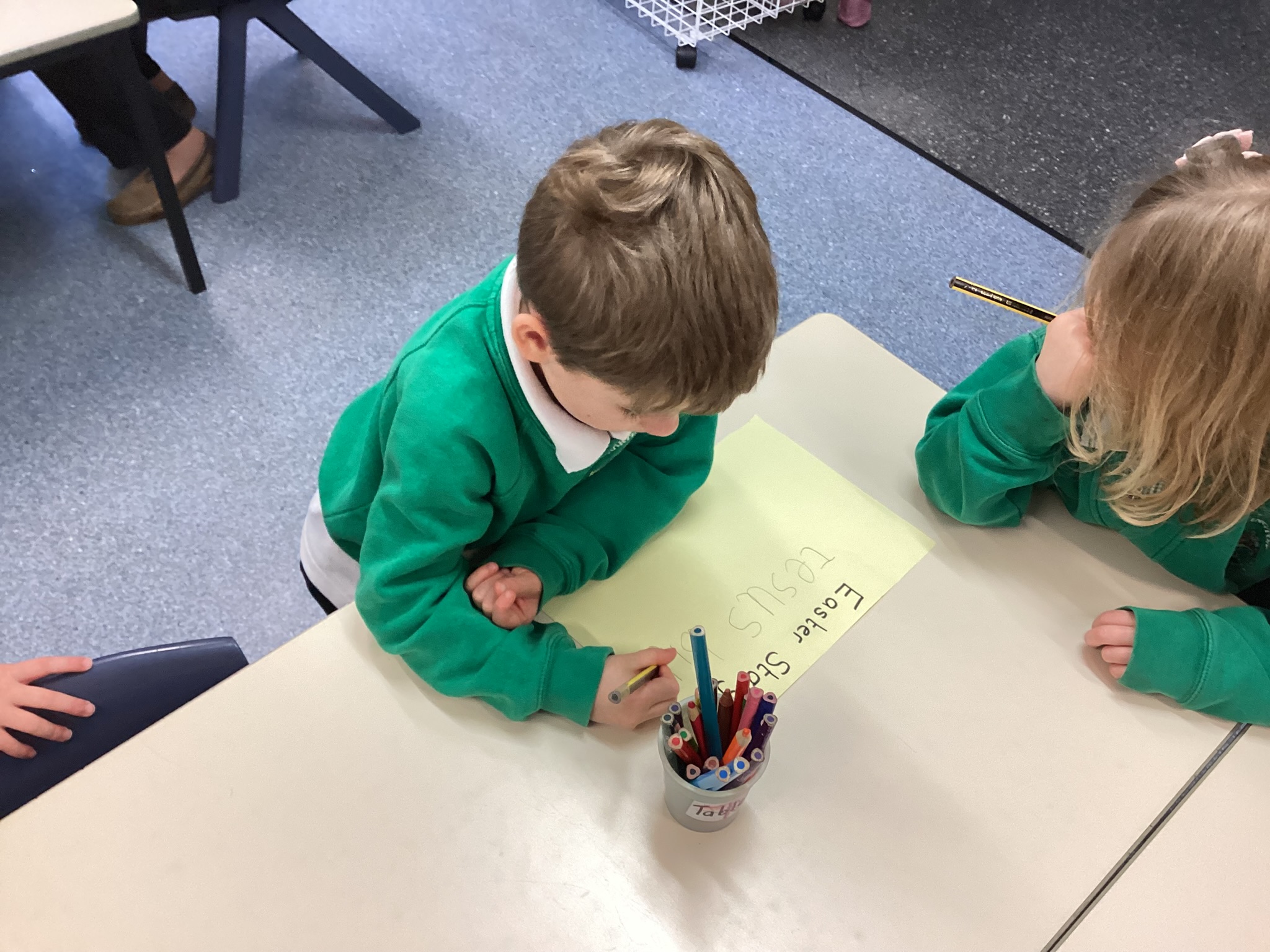
This term the KS1 children have been thinking about why do Christians perform Nativity plays at Christmas. Using pictures of the adults that help us in school we thought about what we thought they might have looked like as babies. This was to help us think about babies growing up into adults and that we were all babies once. We then referred this to the Christian belief that Jesus was born at Christmas and grew into a man that we can read stories about in the Bible. That He is ‘the best gift ever’ and that He came to earth as God in human form as a savior for us all.
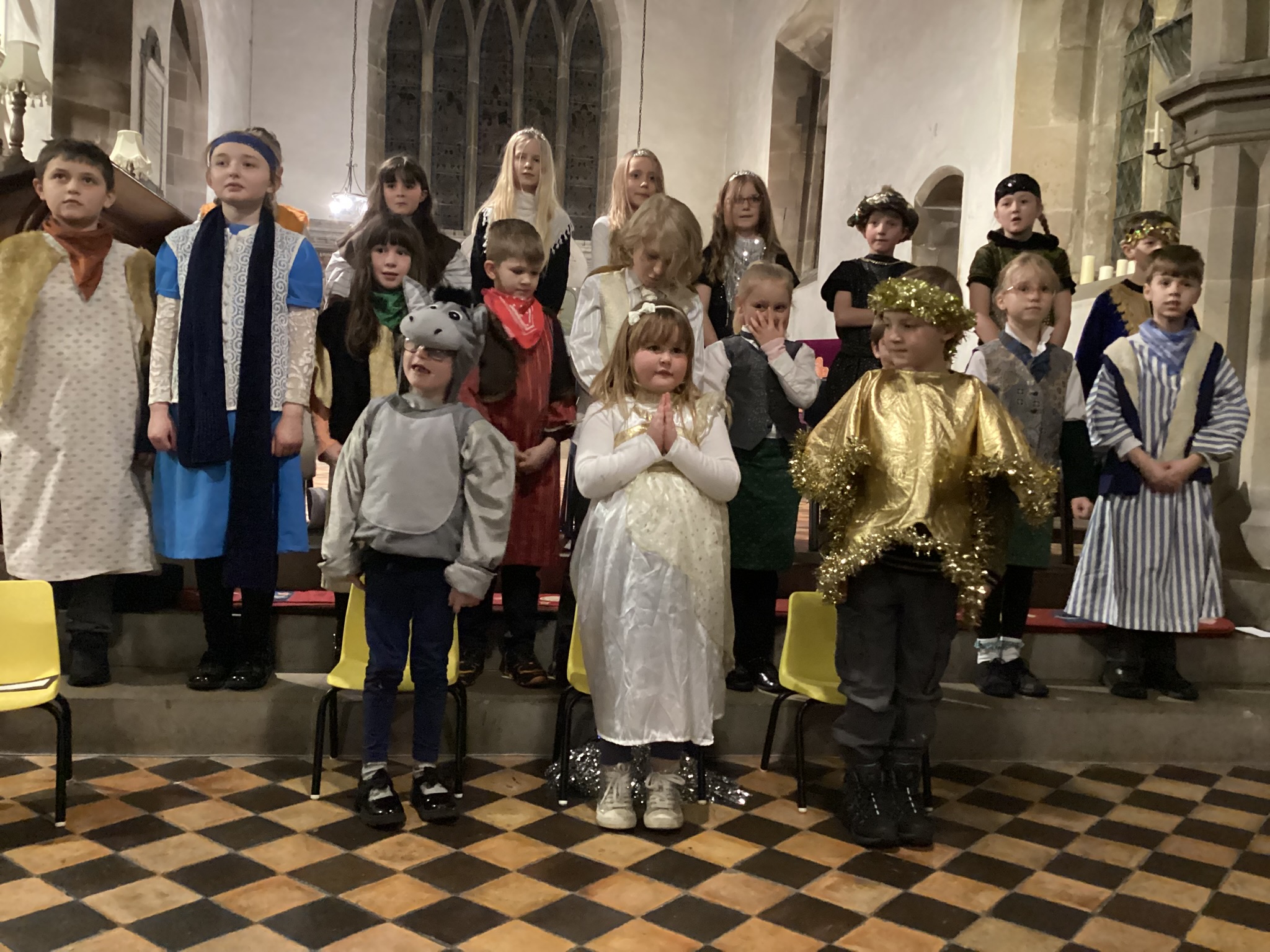
Using the story of the Nativity we looked at carols sung at Christmas time and what the words of these carols tell us. Many songs were performed as part of the Nativity play towards the end of term, showing the story of Jesus’ birth.
Key Stage 2 – Autumn Term 1 – 2025
Why do some people think that life is a journey and what significant experiences mark this?
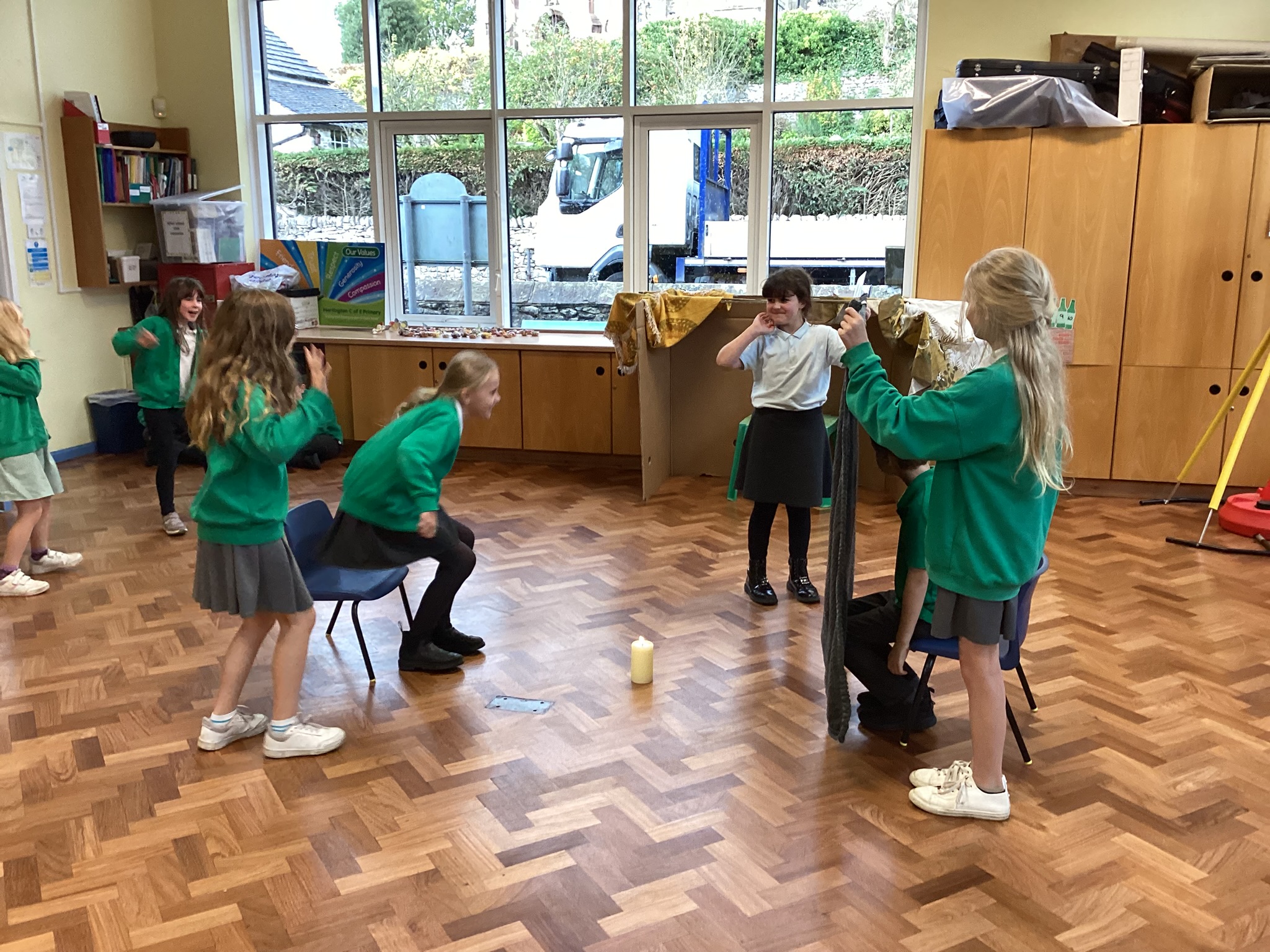
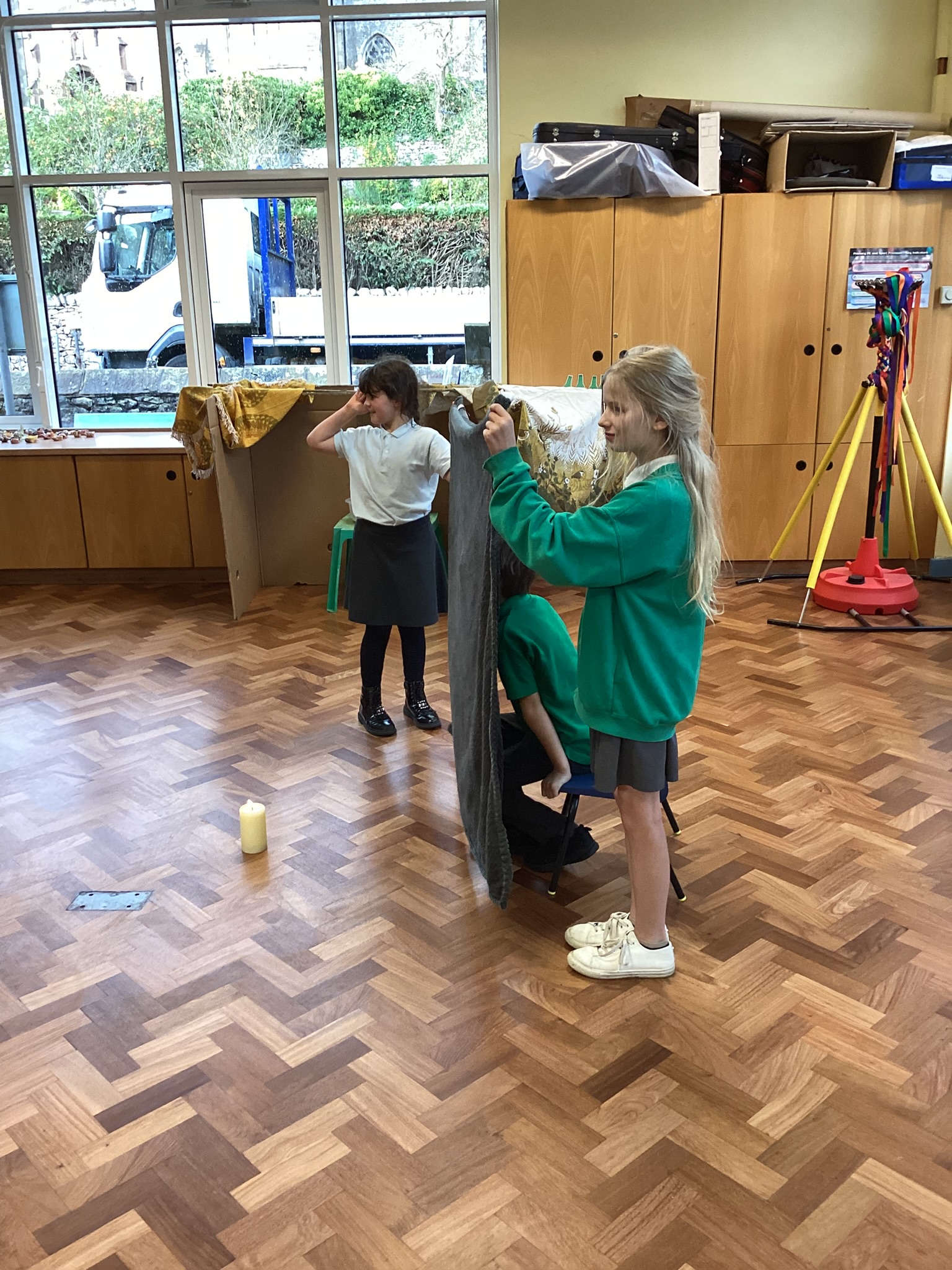
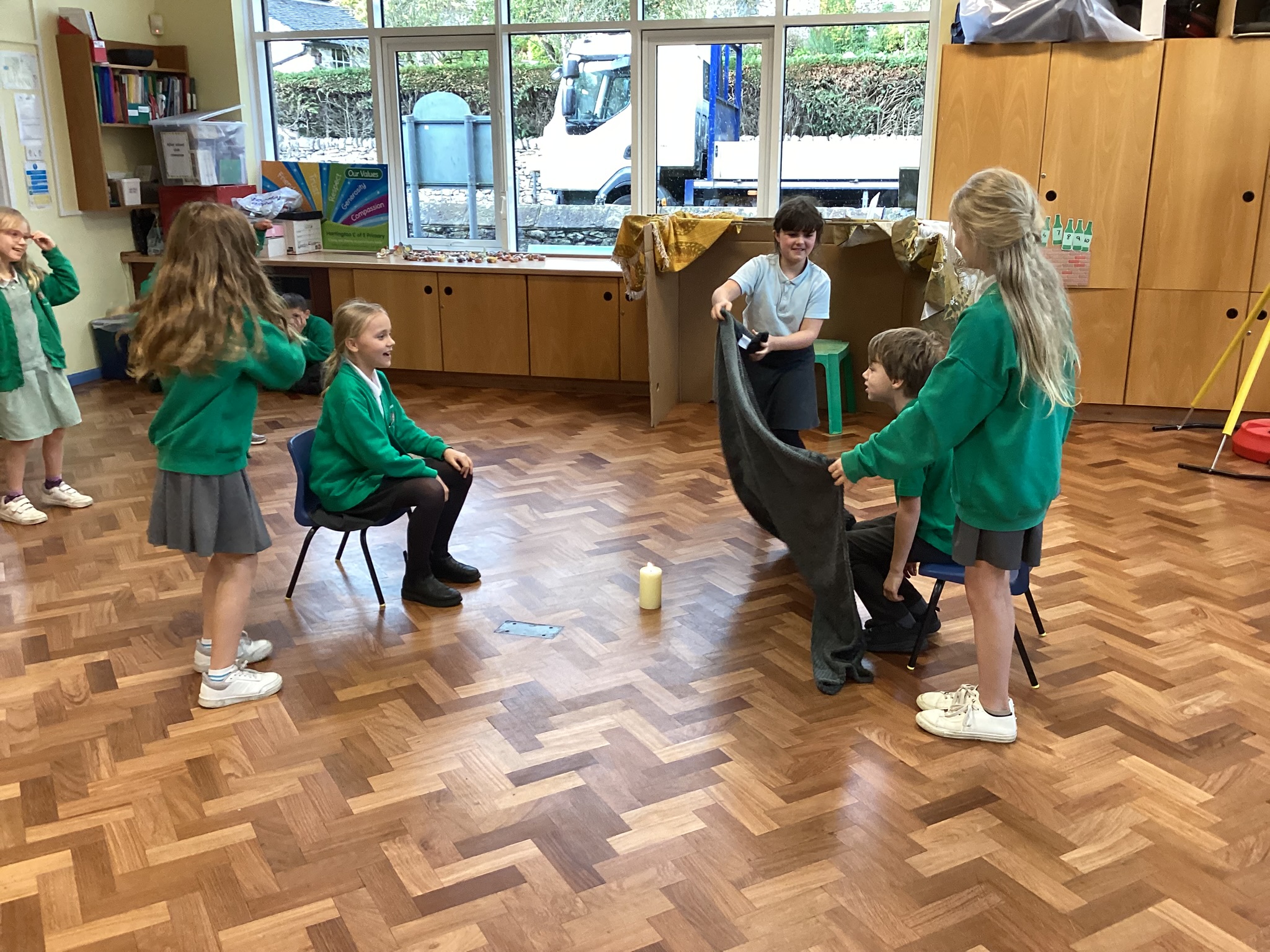
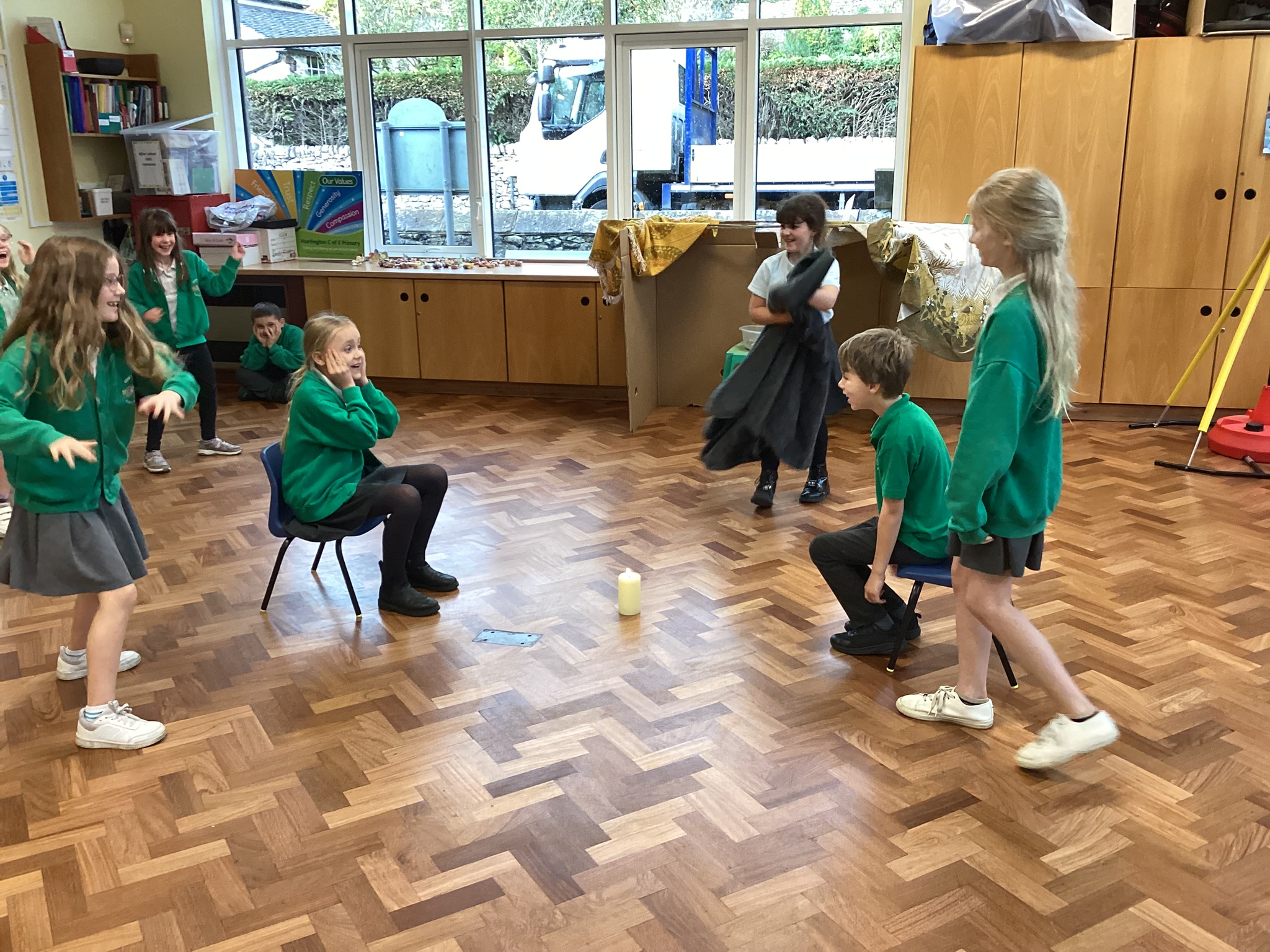
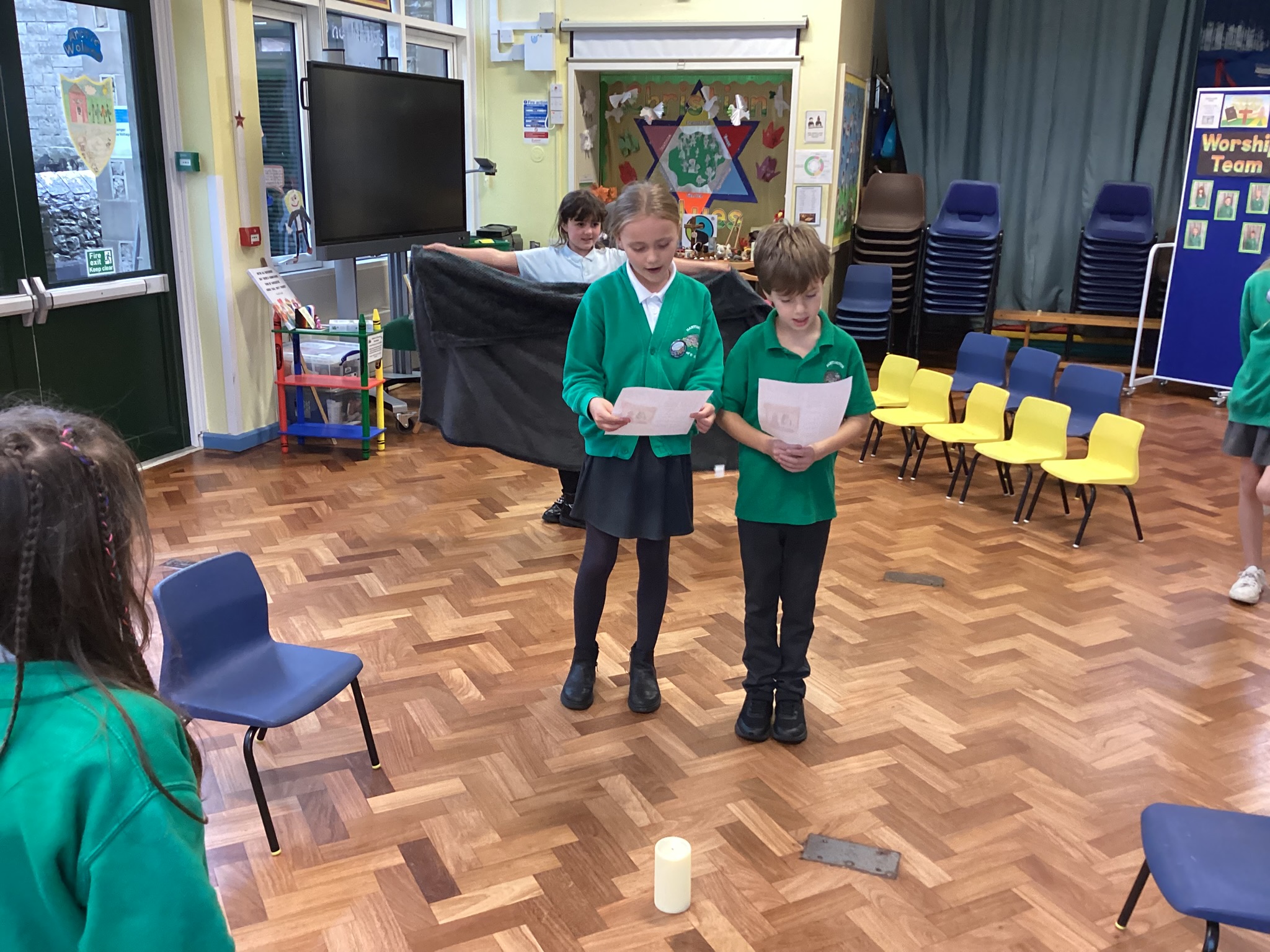
In RE this half term, we explored why many people view life as a journey rather than just a series of random events. For believers and non-believers alike, this perspective helps make sense of personal growth, as every “milestone” or “obstacle” becomes a chance to learn and evolve. We specifically looked at Hindu beliefs, where life is seen as a continuous journey of the soul from one body to another through reincarnation. We also compared Christian and Hindu wedding ceremonies, examining the sacred promises couples make to one another. By studying these vows, we learned how marriage serves as a significant milestone on life’s path, representing a lifelong commitment to support each other through the various stages of the journey ahead.
Key Stage 2 – Autumn Term 2 – 2025
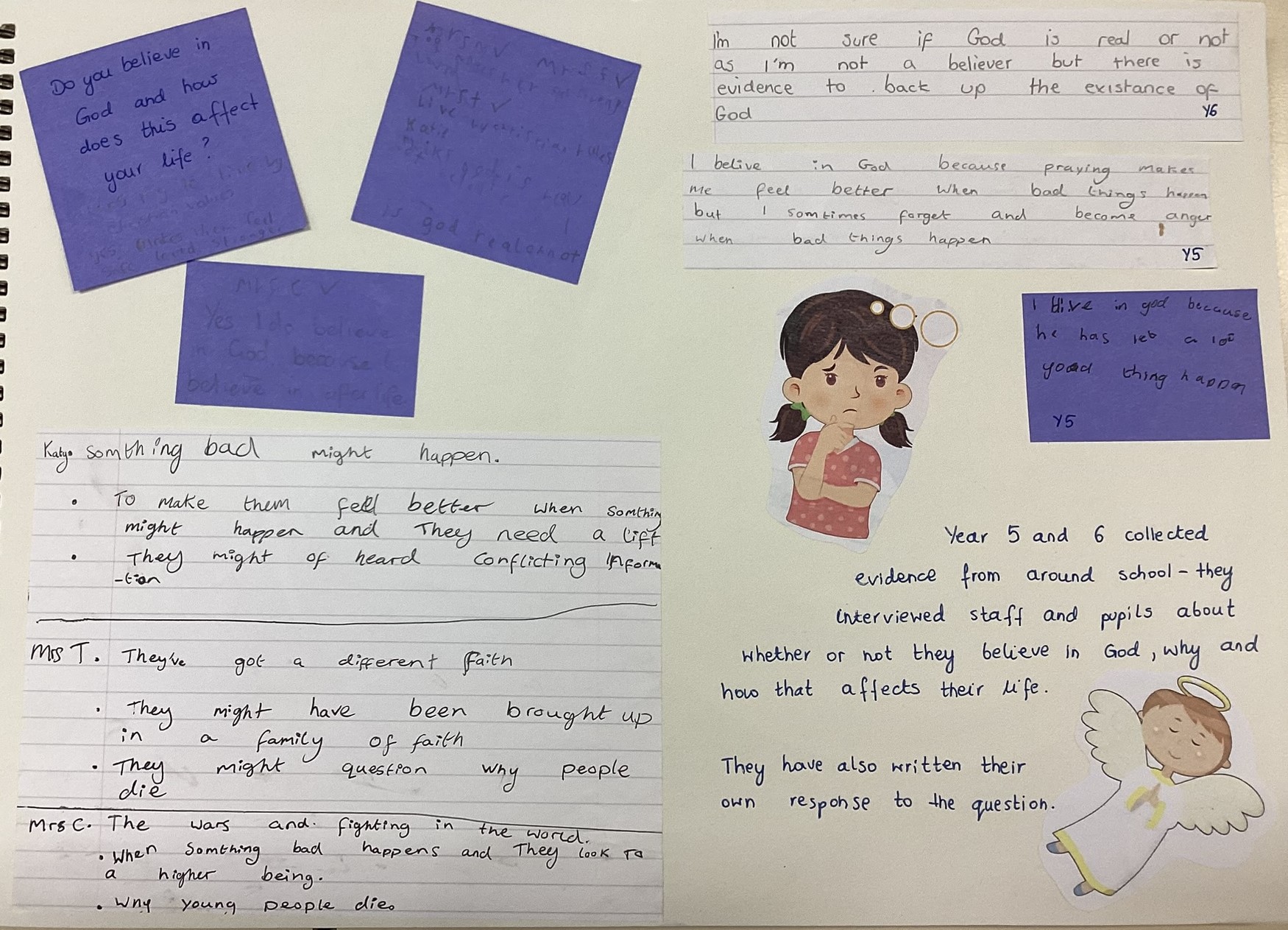
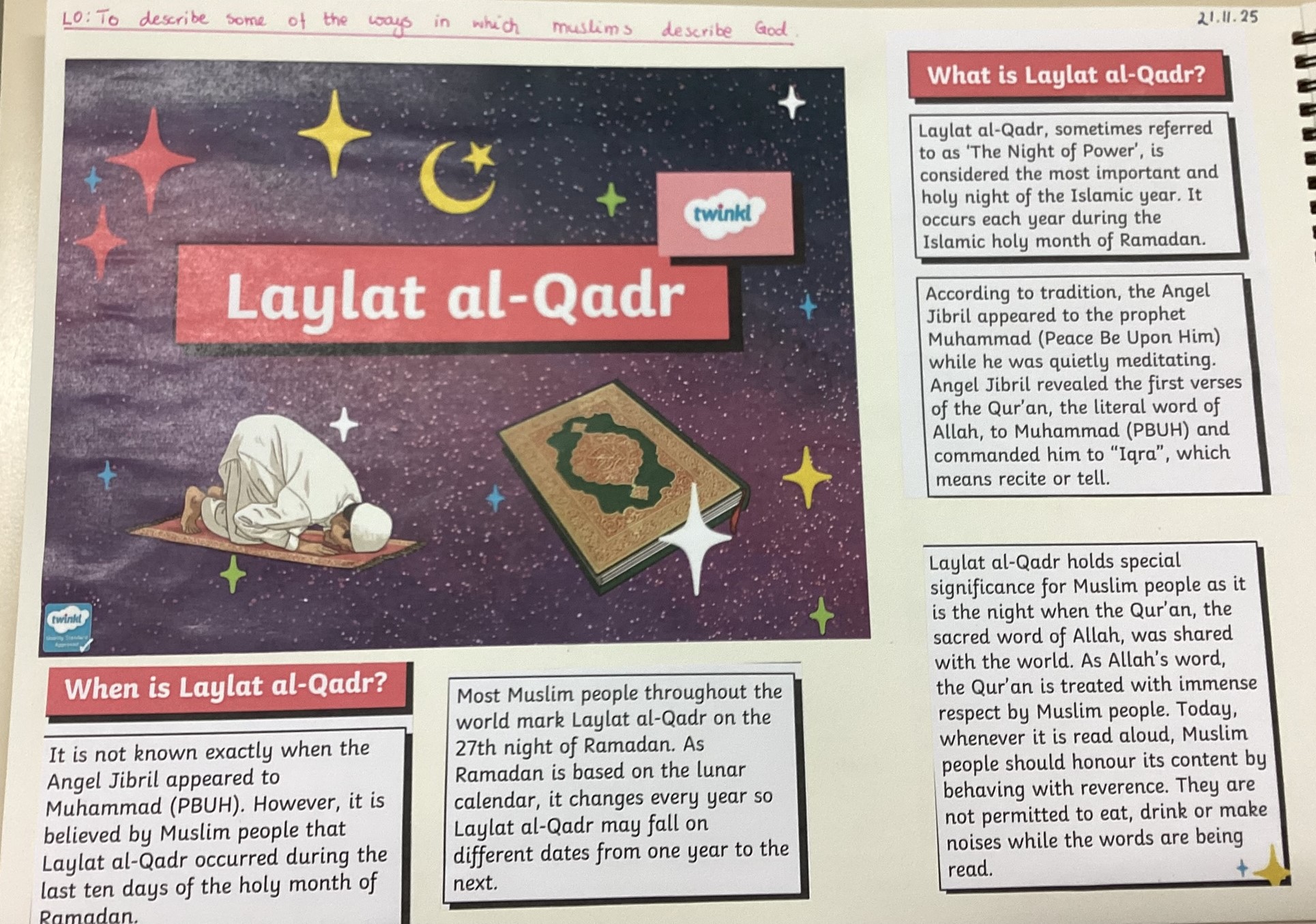
What do different people believe about God?
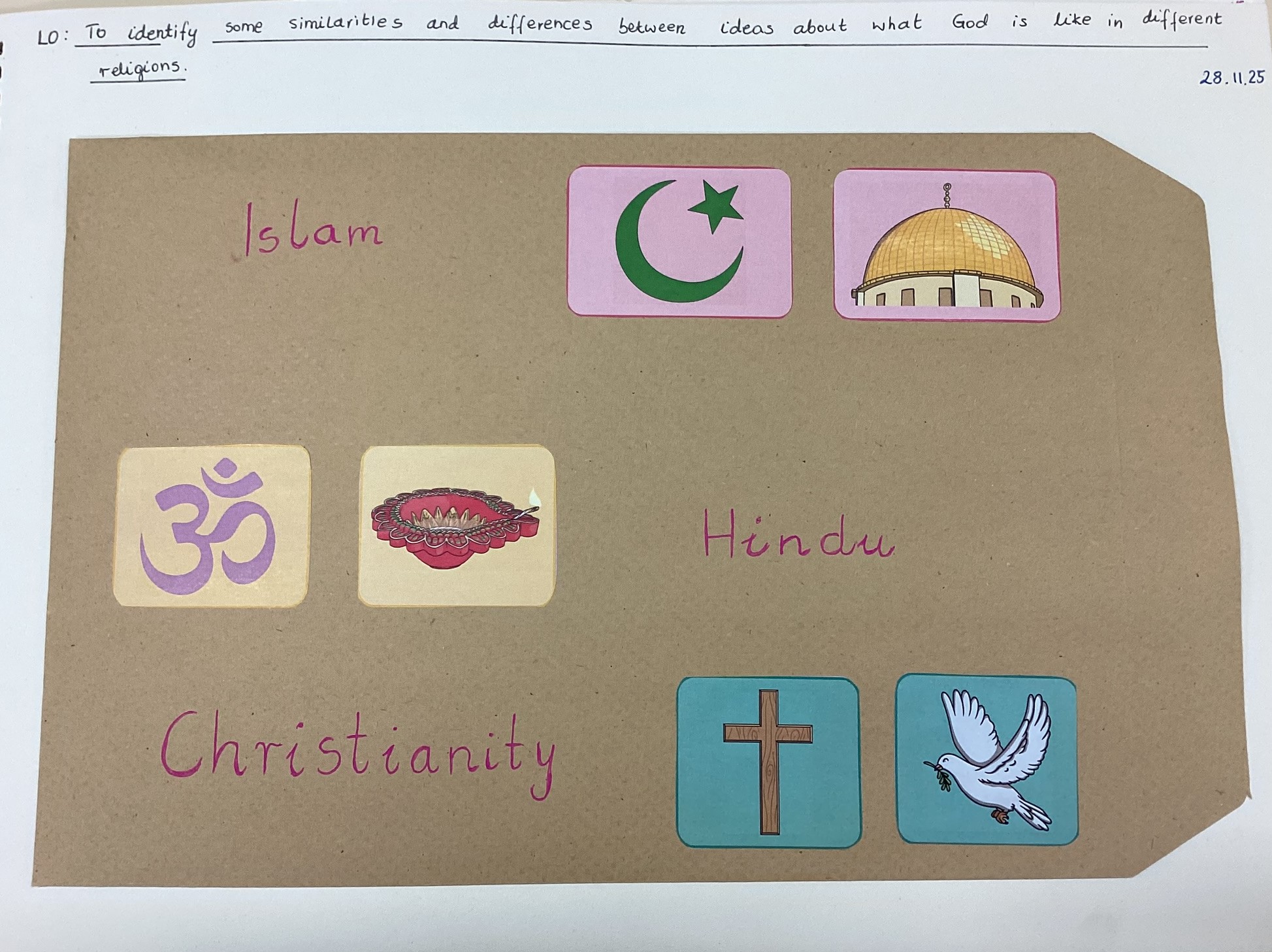
This half-term, we explored what different people believe about God, comparing theist, atheist, and agnostic perspectives. We studied the Christian concept of the Holy Trinity and how Muslims describe God through His 99 names and the concept of Tawhid. By identifying similarities and differences between Islam, Christianity, and Hinduism, we gained a better understanding of how diverse traditions visualise the divine.
Key Stage 1 – Spring Term 1 – 2026
This term we have been asking the questions ‘Why is the word ‘God’ so important for Christians?’ and ‘What do Christians believe God is like?’
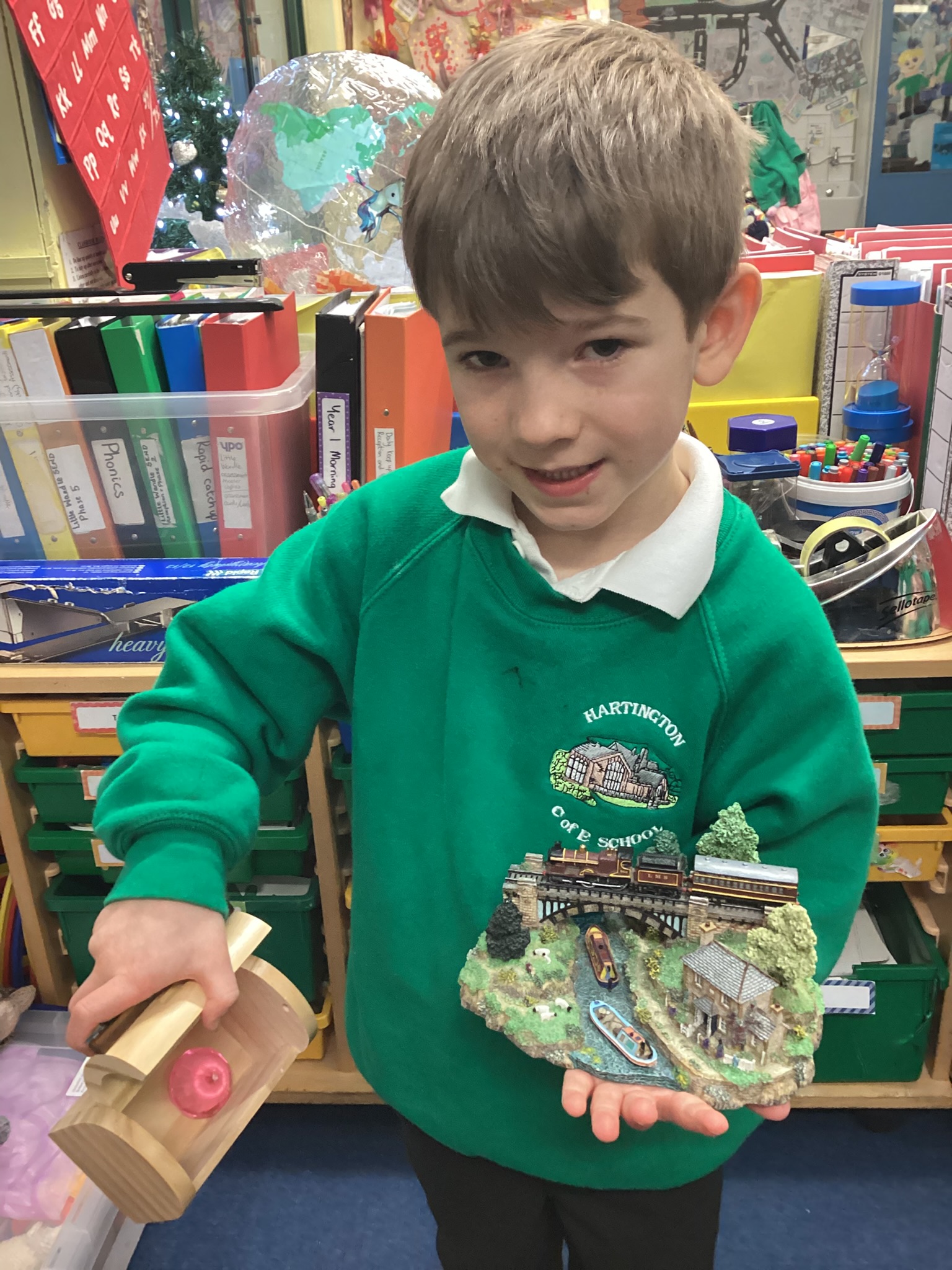
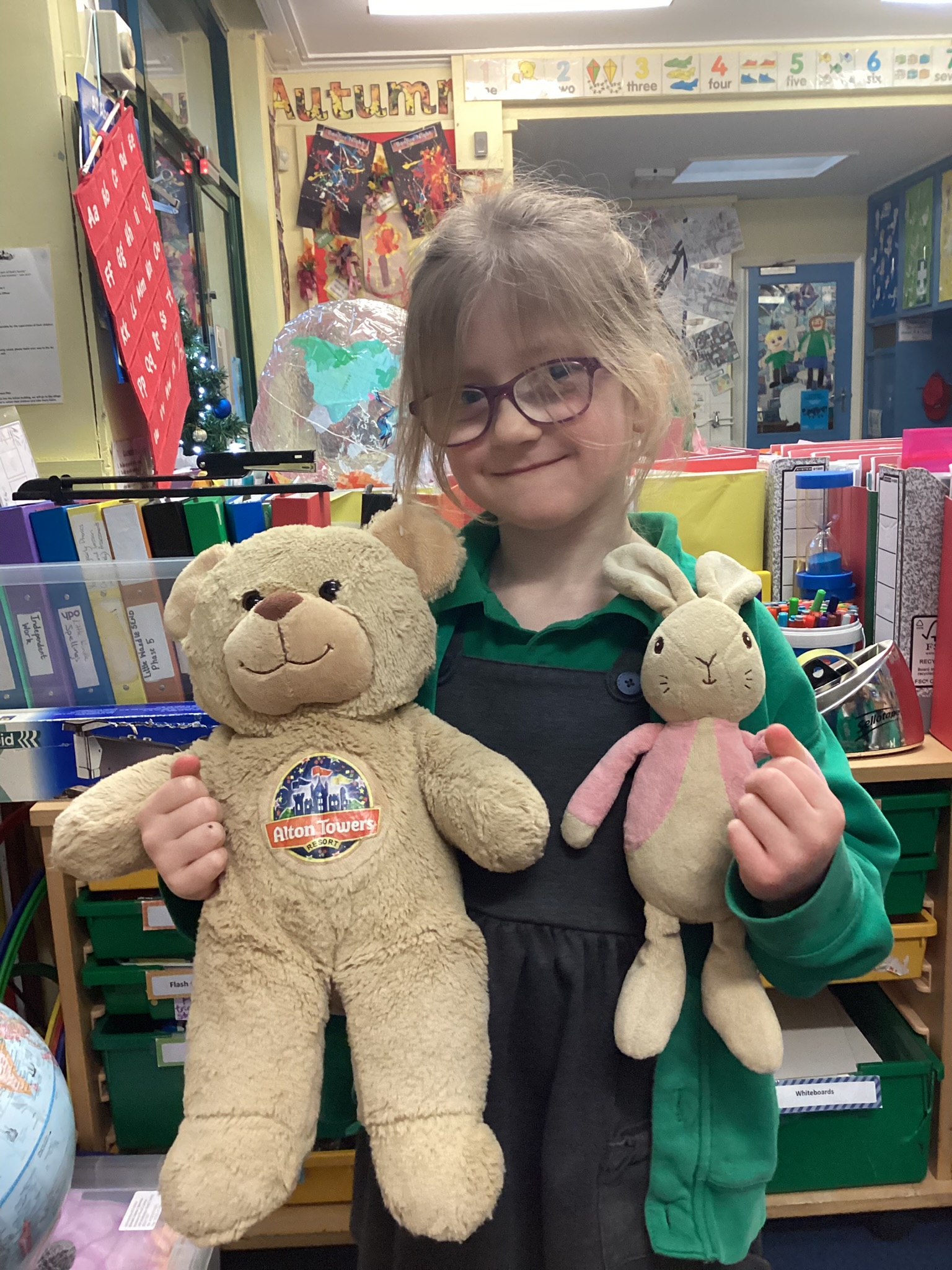
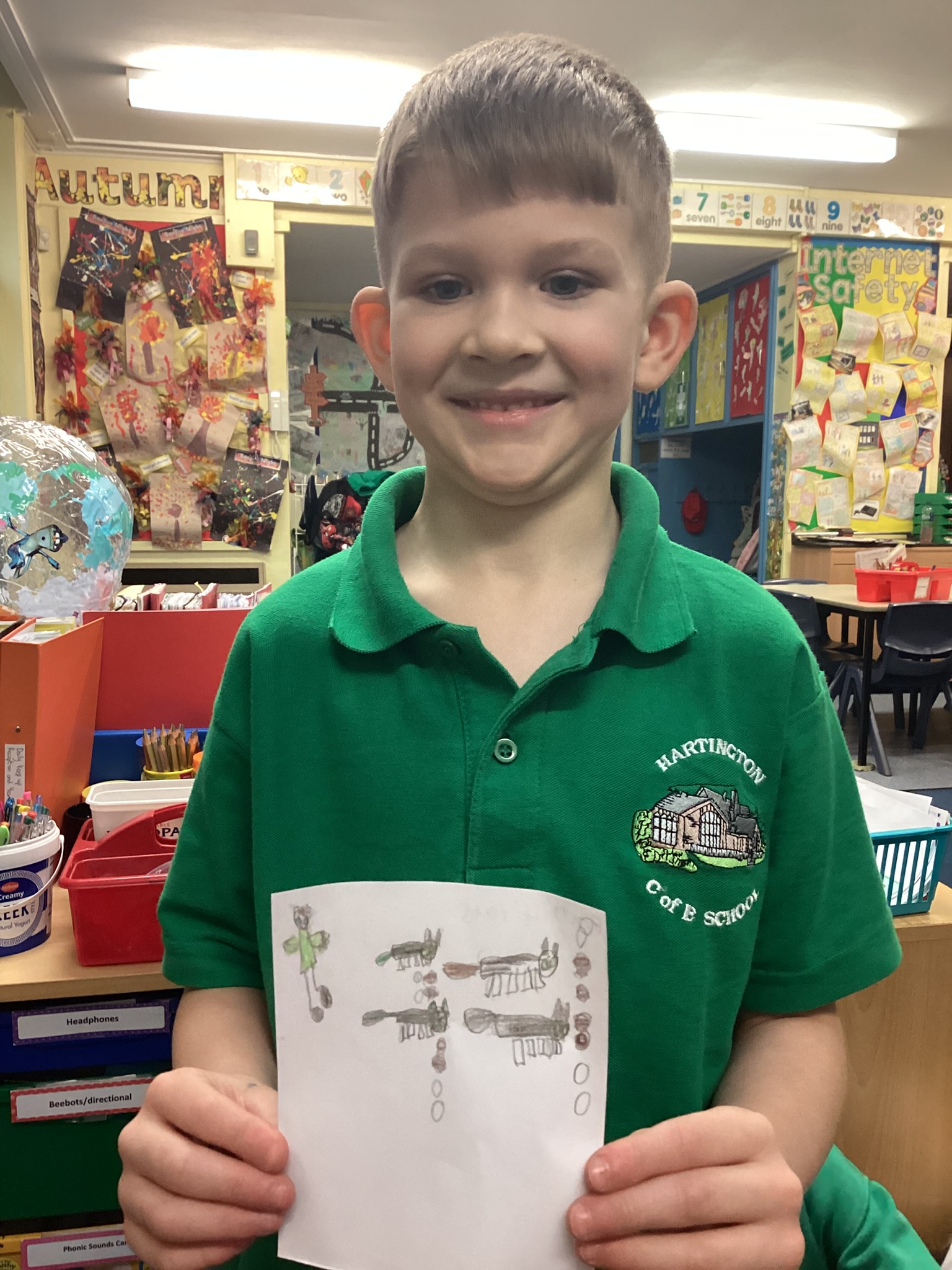
To help us explore these ideas we have thought about God the creator, and the Christian belief that God created the world. Some fabulous suggestions for new creations were given such as, Unicorn Pegasus, a flying crab, swimming horse, eledog, brachioshark and dinozilla! We linked these ideas with how we can help to save the ocean, protecting God’s planet. We all had the opportunity to bring in objects that were special and precious to us, to help imbed the understanding that Christians believe that the world is special to God, and that looking after it is a big responsibility that we can all help with.
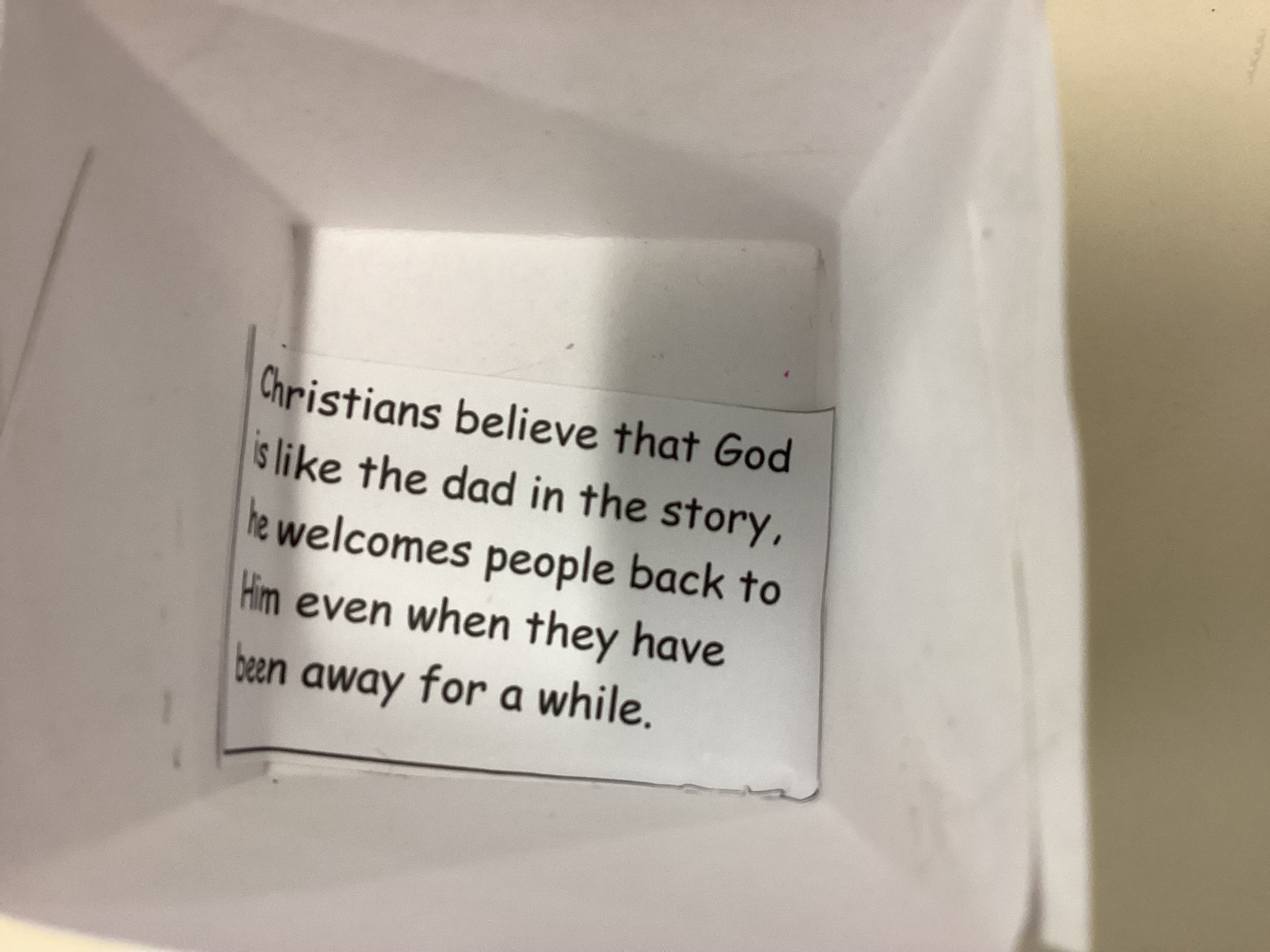
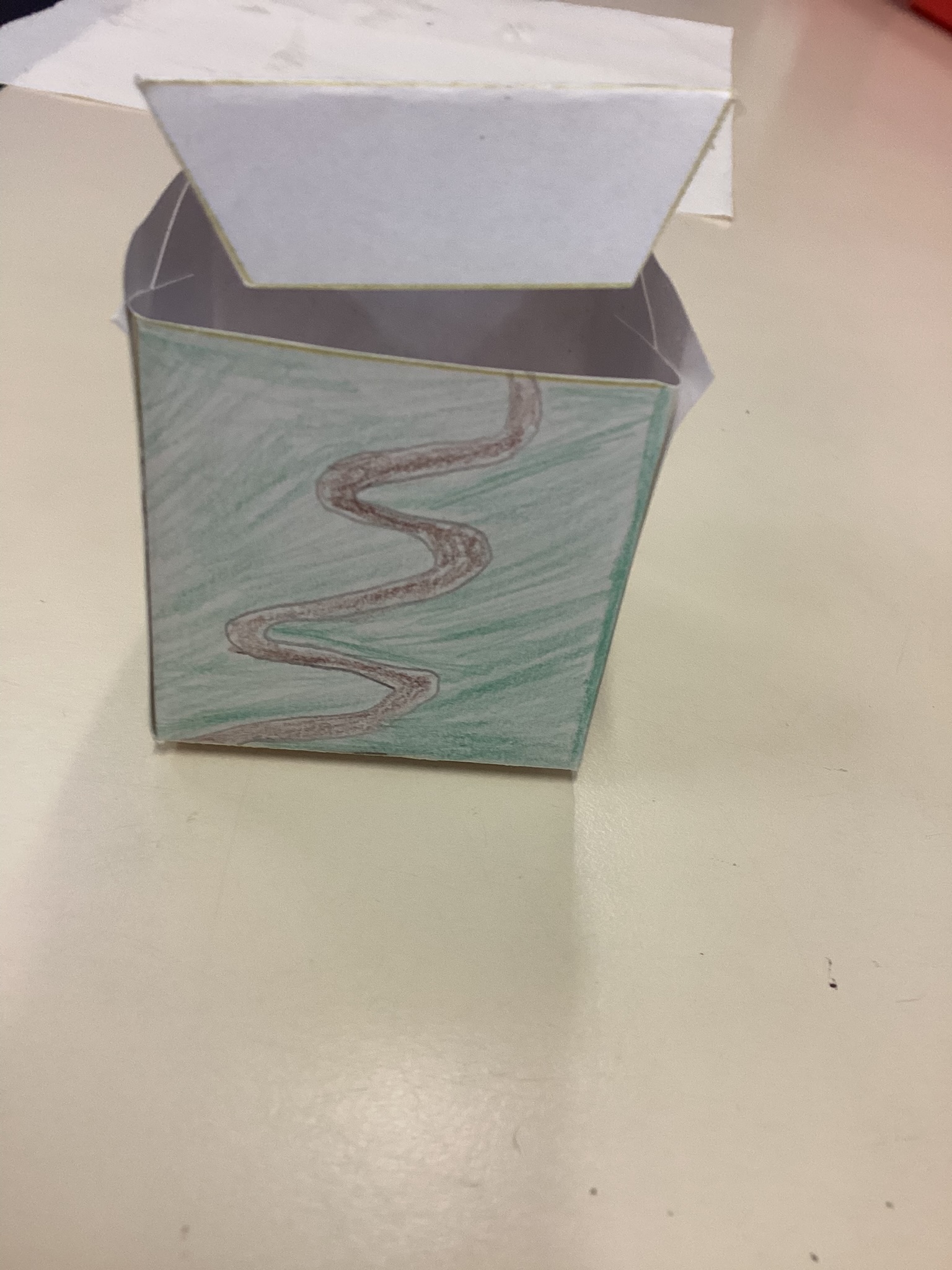
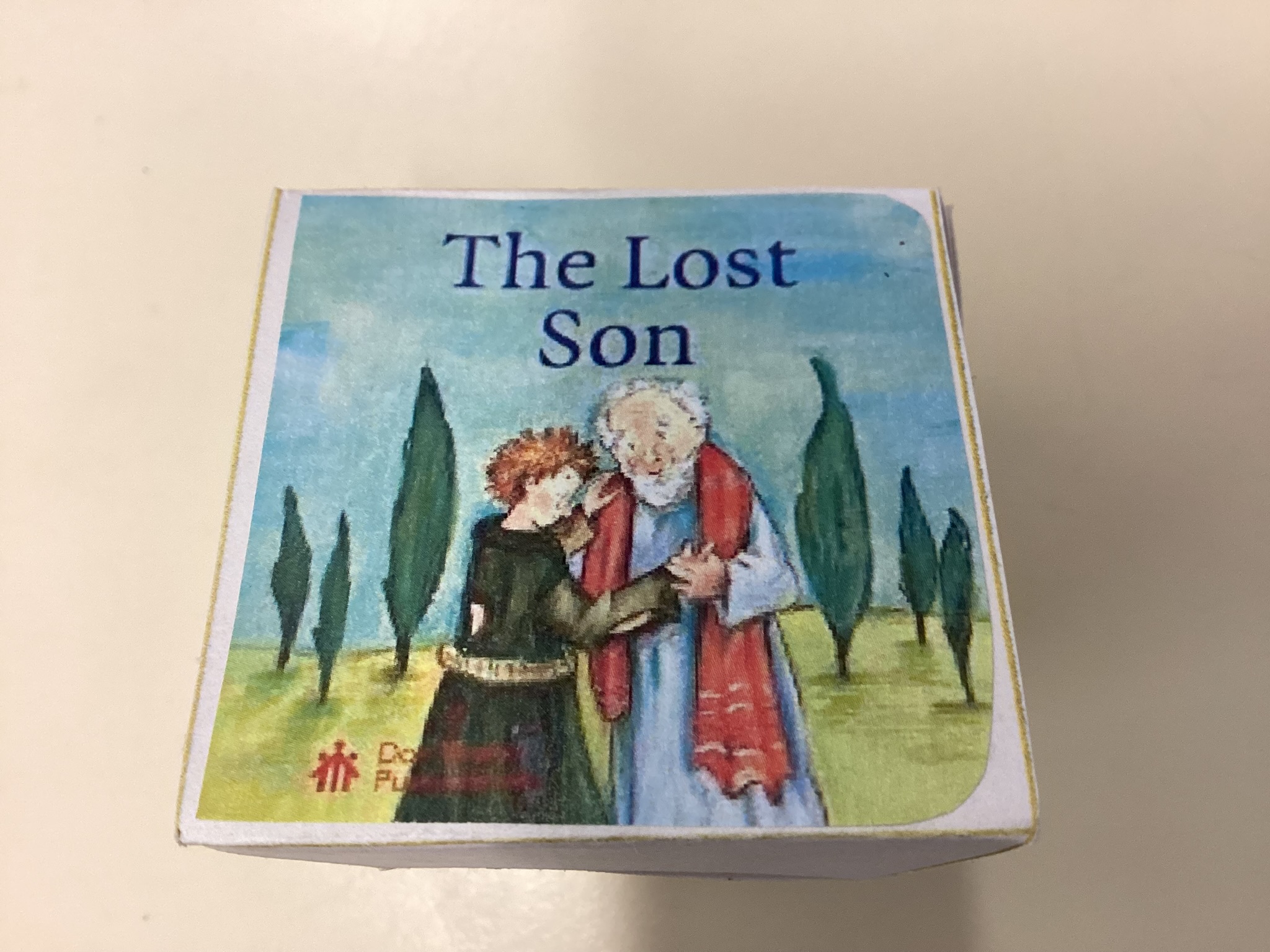
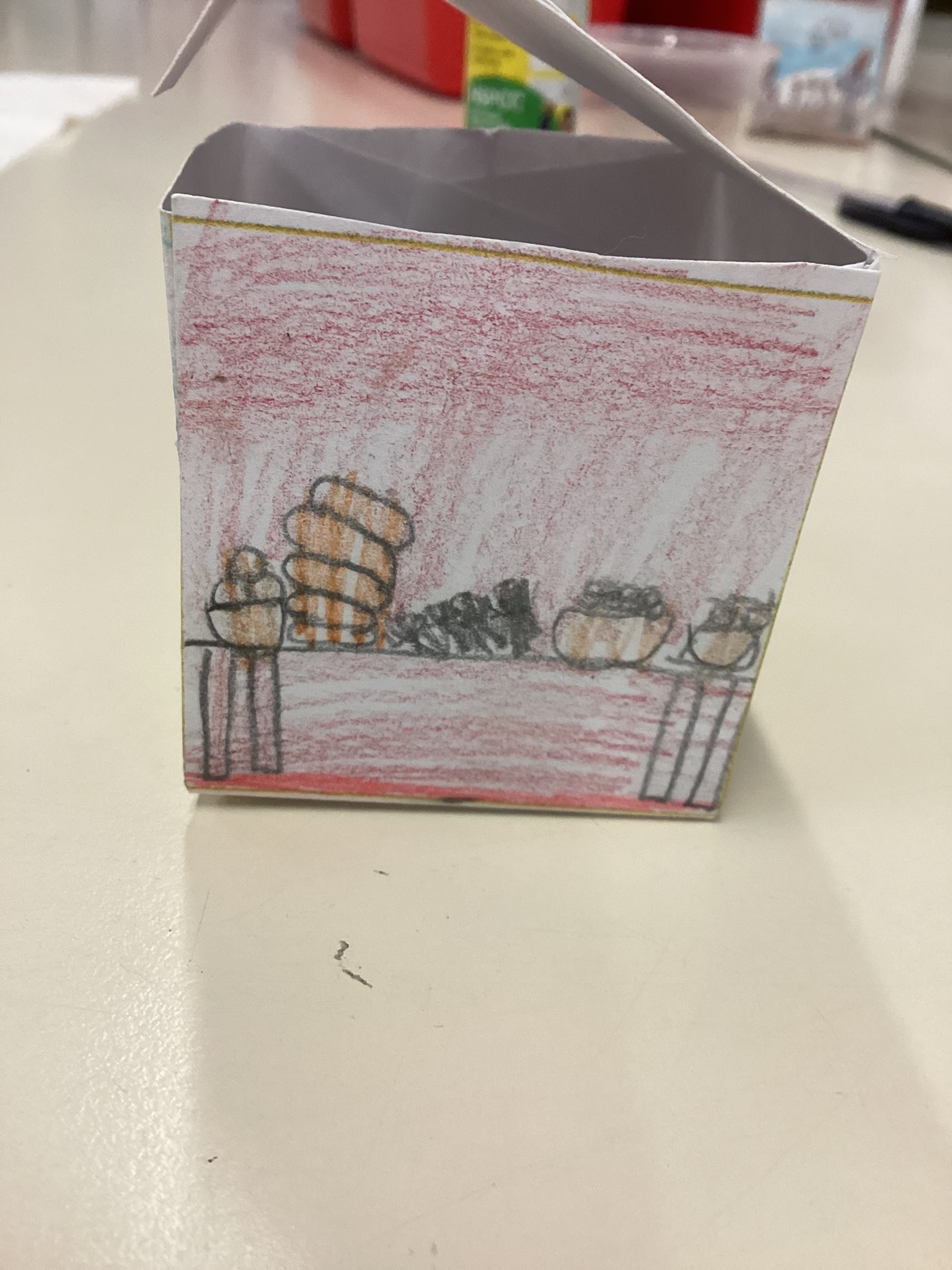
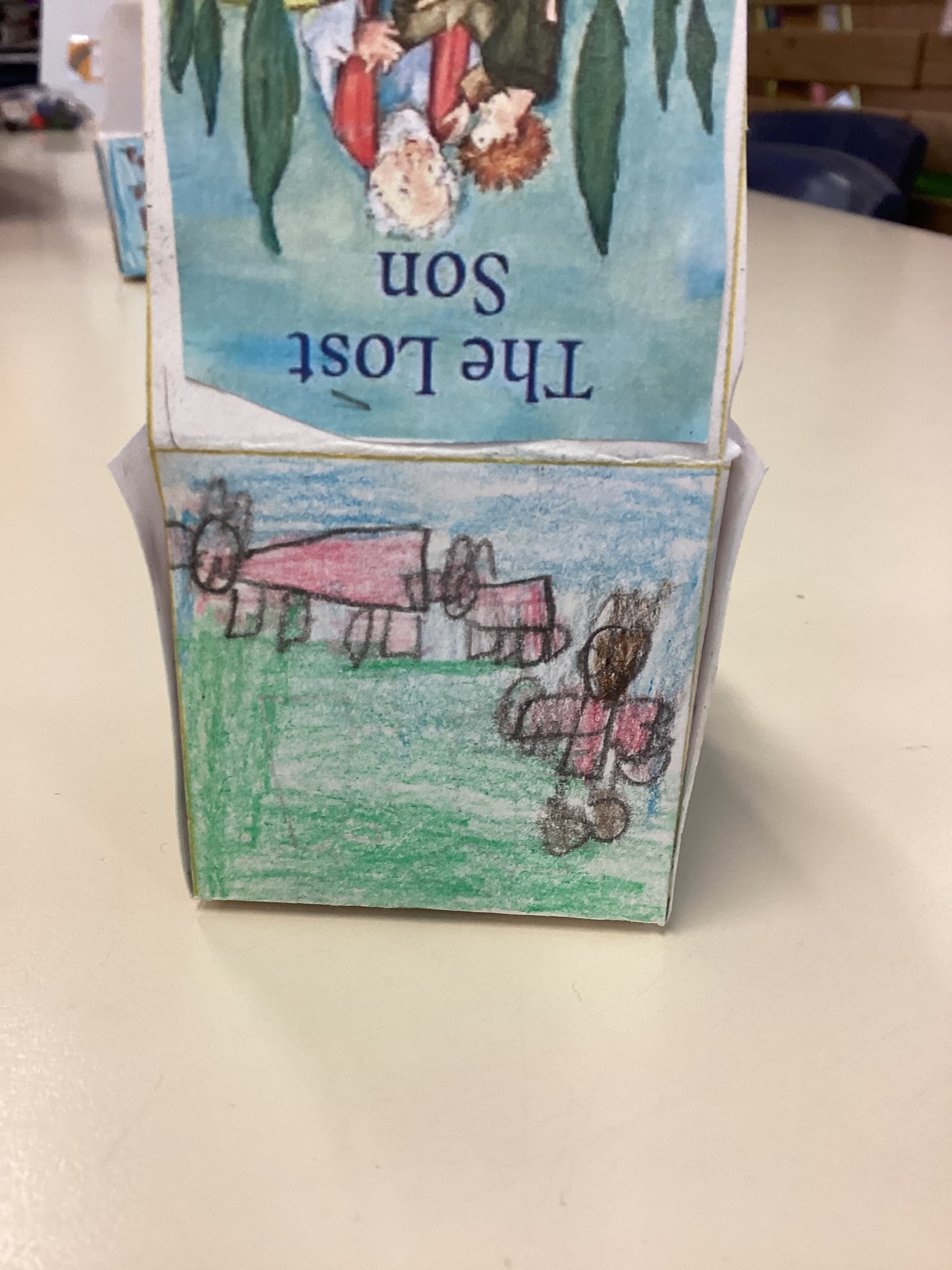
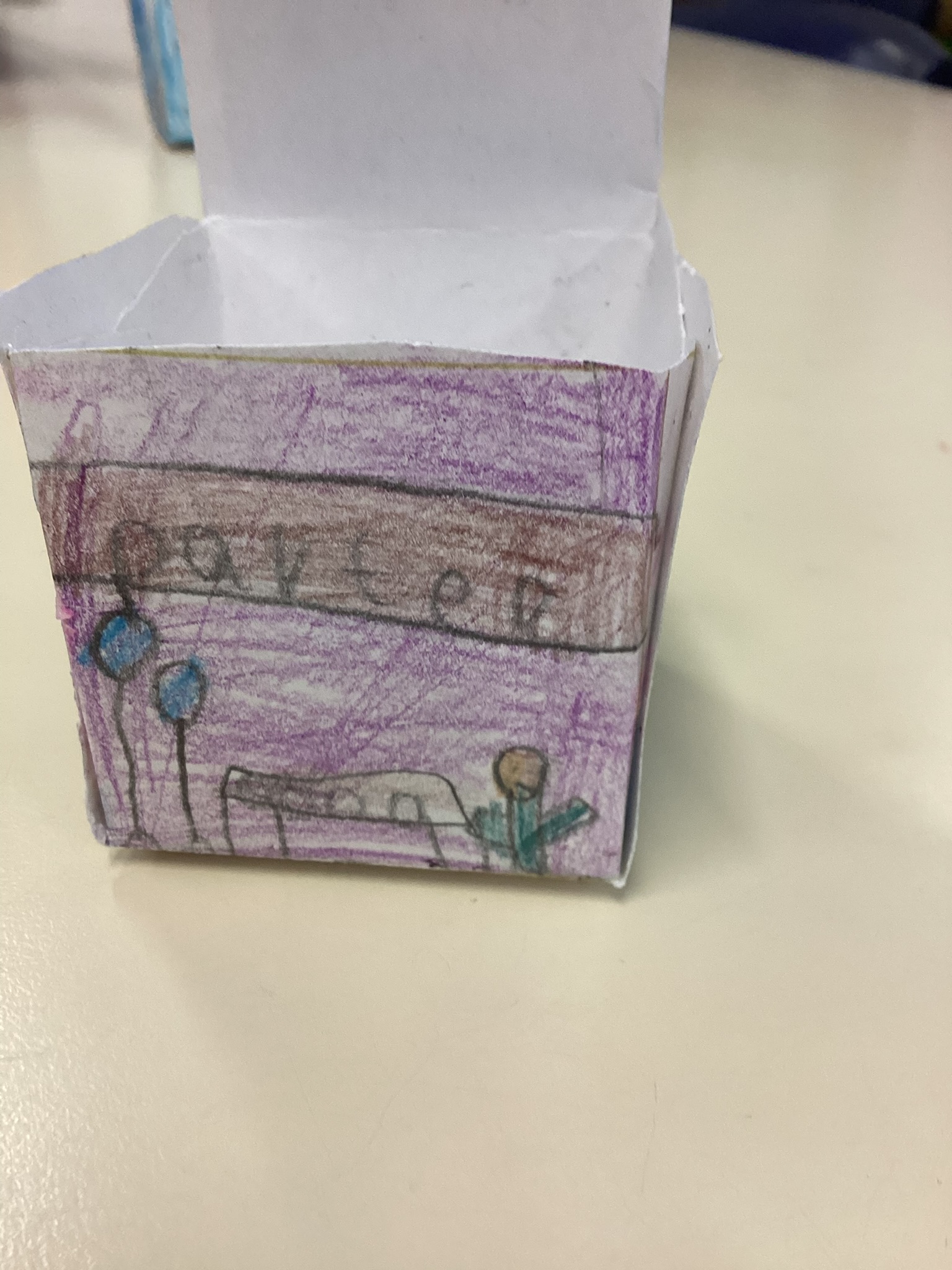
Using the Bible story of the Prodigal son we developed our knowledge of the Christian belief that God is like the father in this story, He is loving, kind, forgiving and fair. We made our own hidden meaning boxes to show scenes from the story to help us recall this.
Key Stage 1 & EYFS – Spring Term 2 – 2026
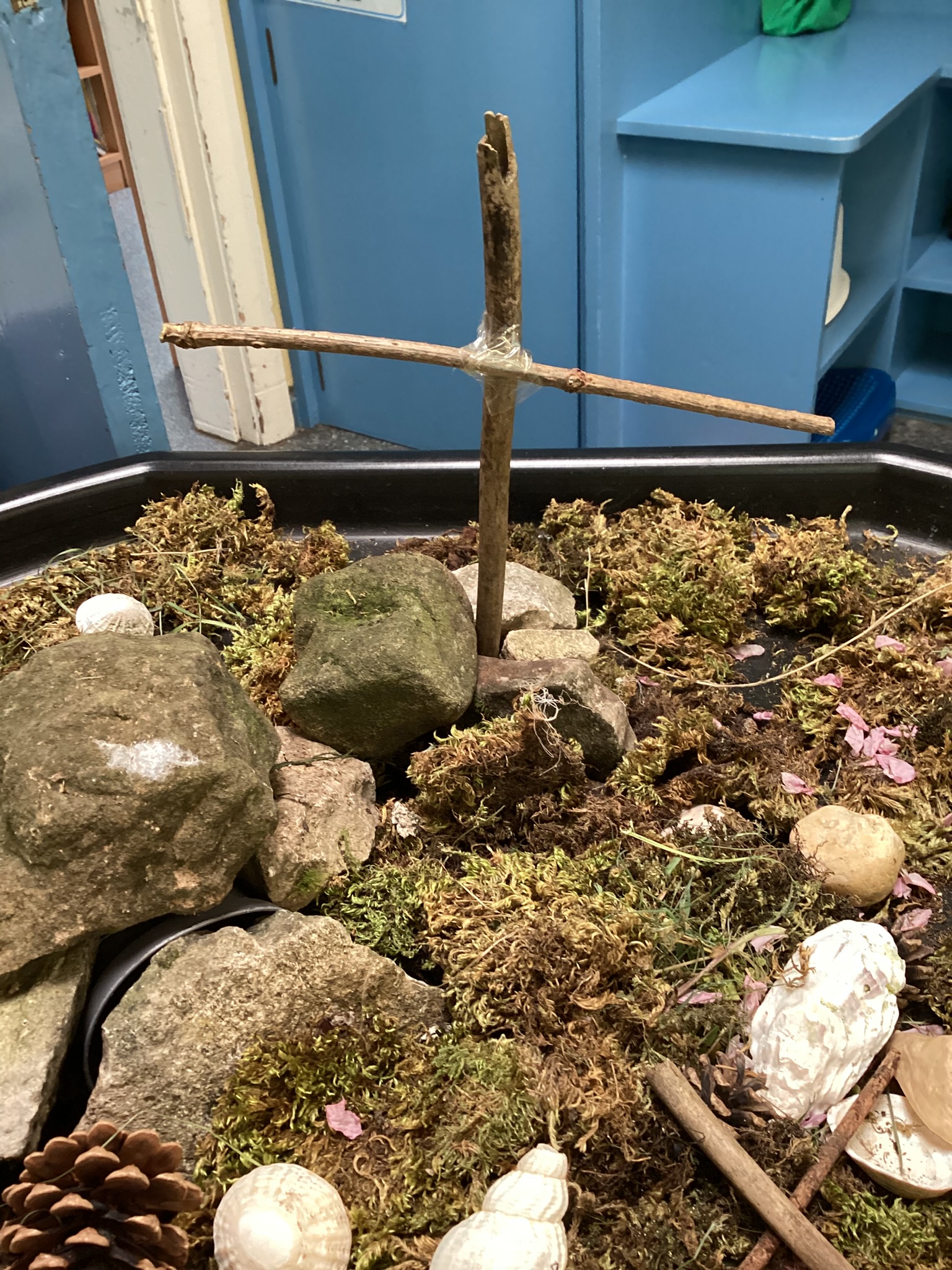
Why do Christians put a cross in a garden at Easter?
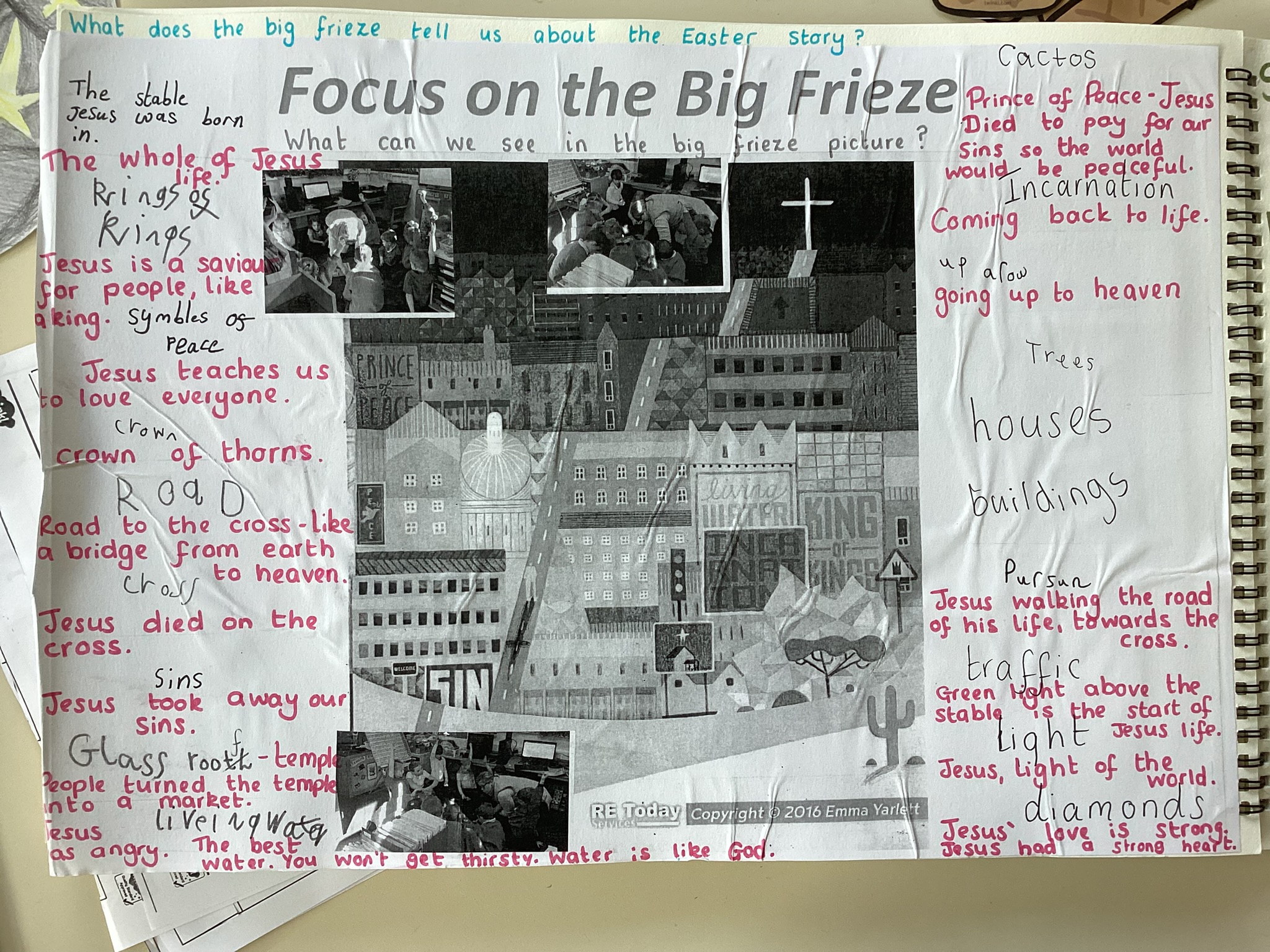
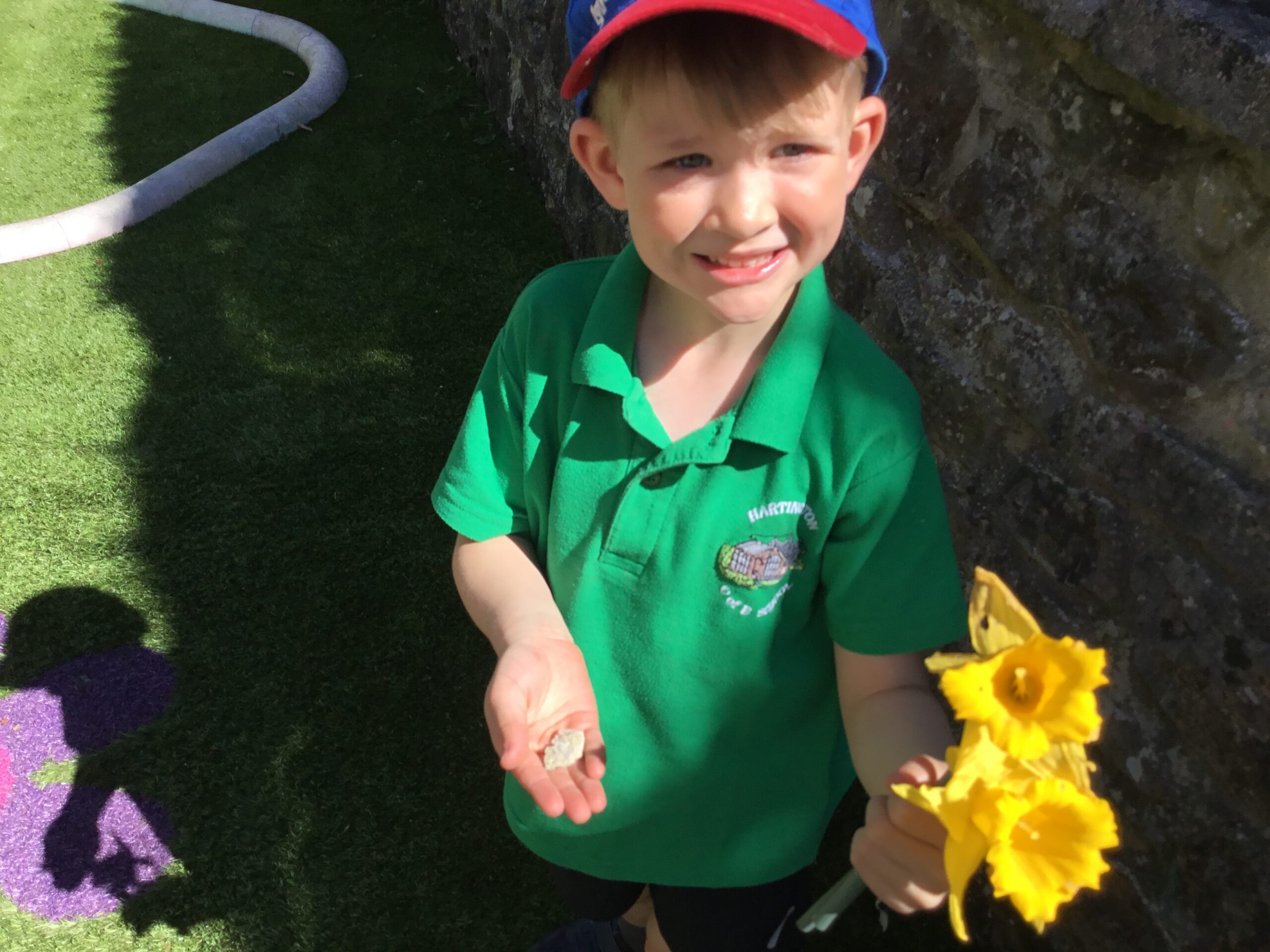
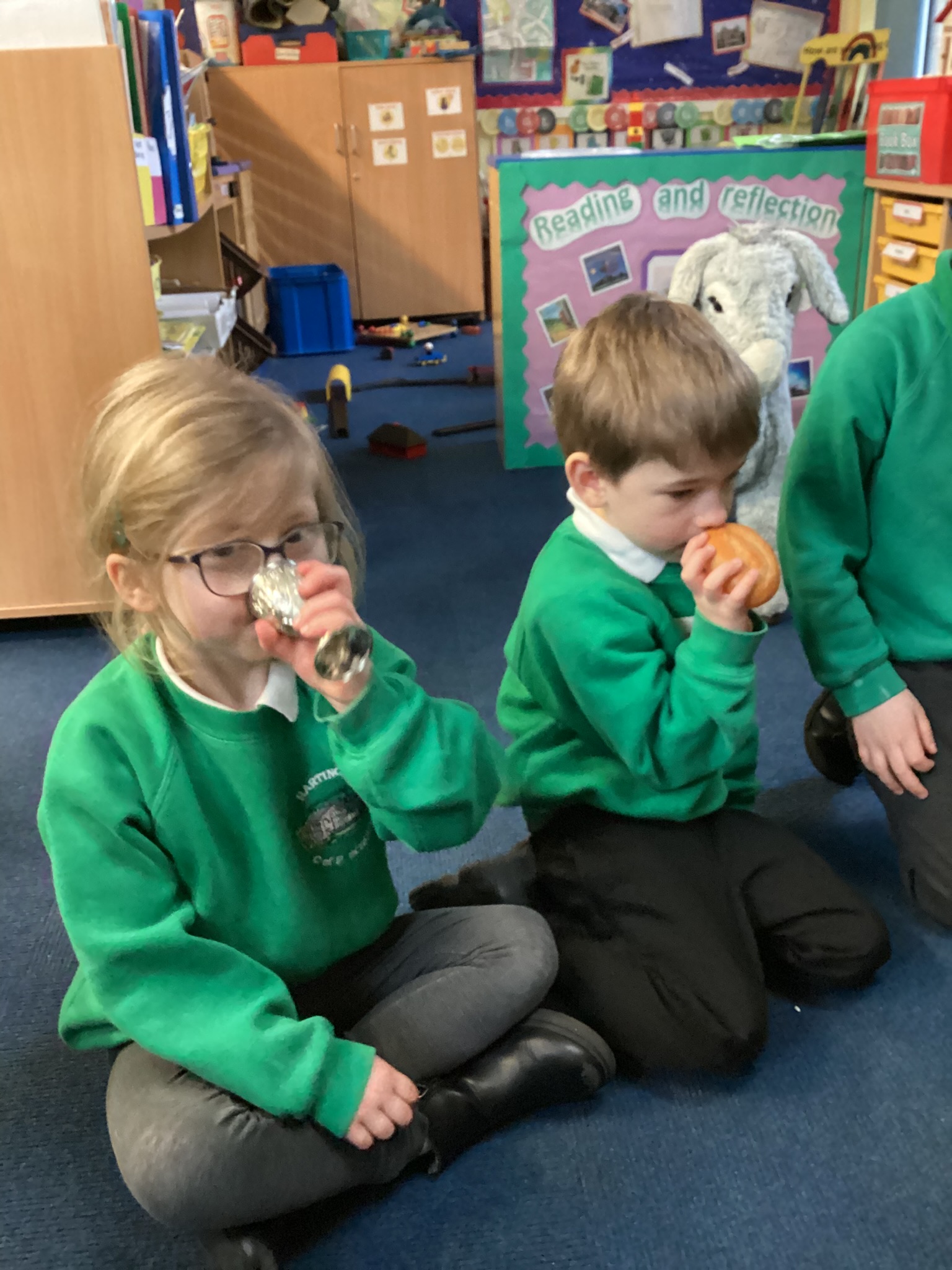
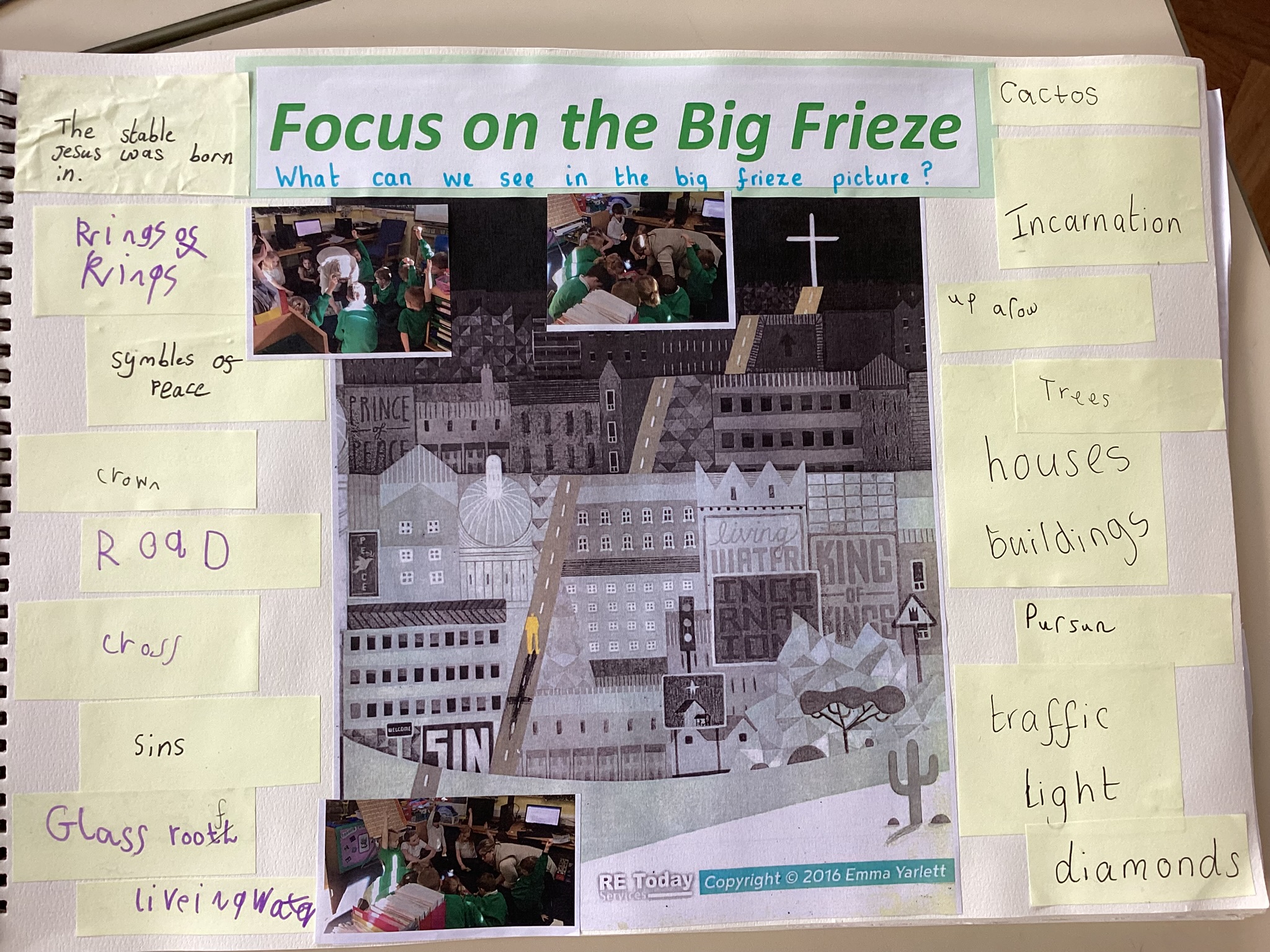
This term the children have been focusing on the Christian celebration of Easter and some of the symbolism of this season. Children were able to think about some of the symbols they are most familiar with, such as a cross and Easter eggs, but then to explore deeper into what this symbols means to Christians and why.
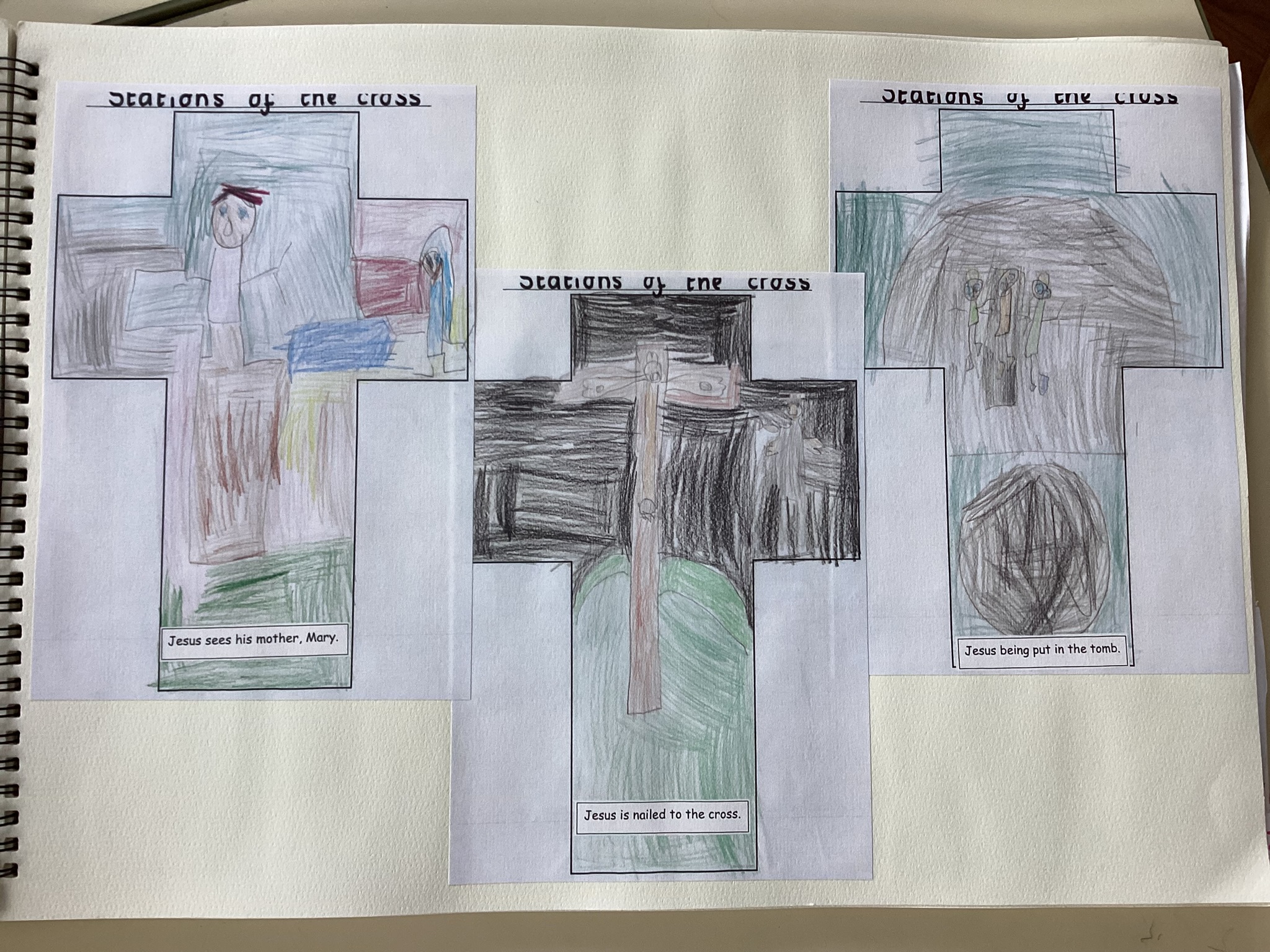
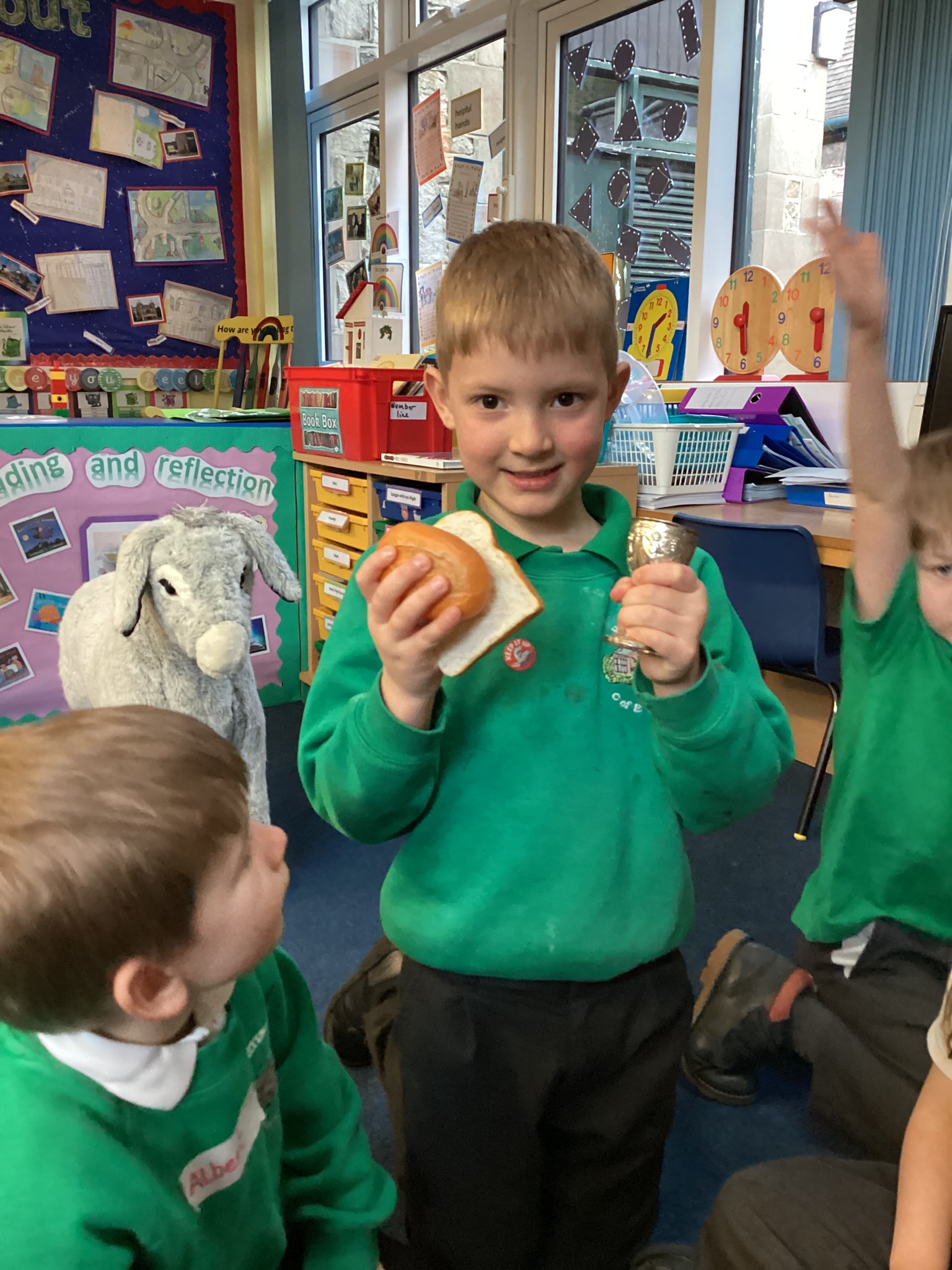
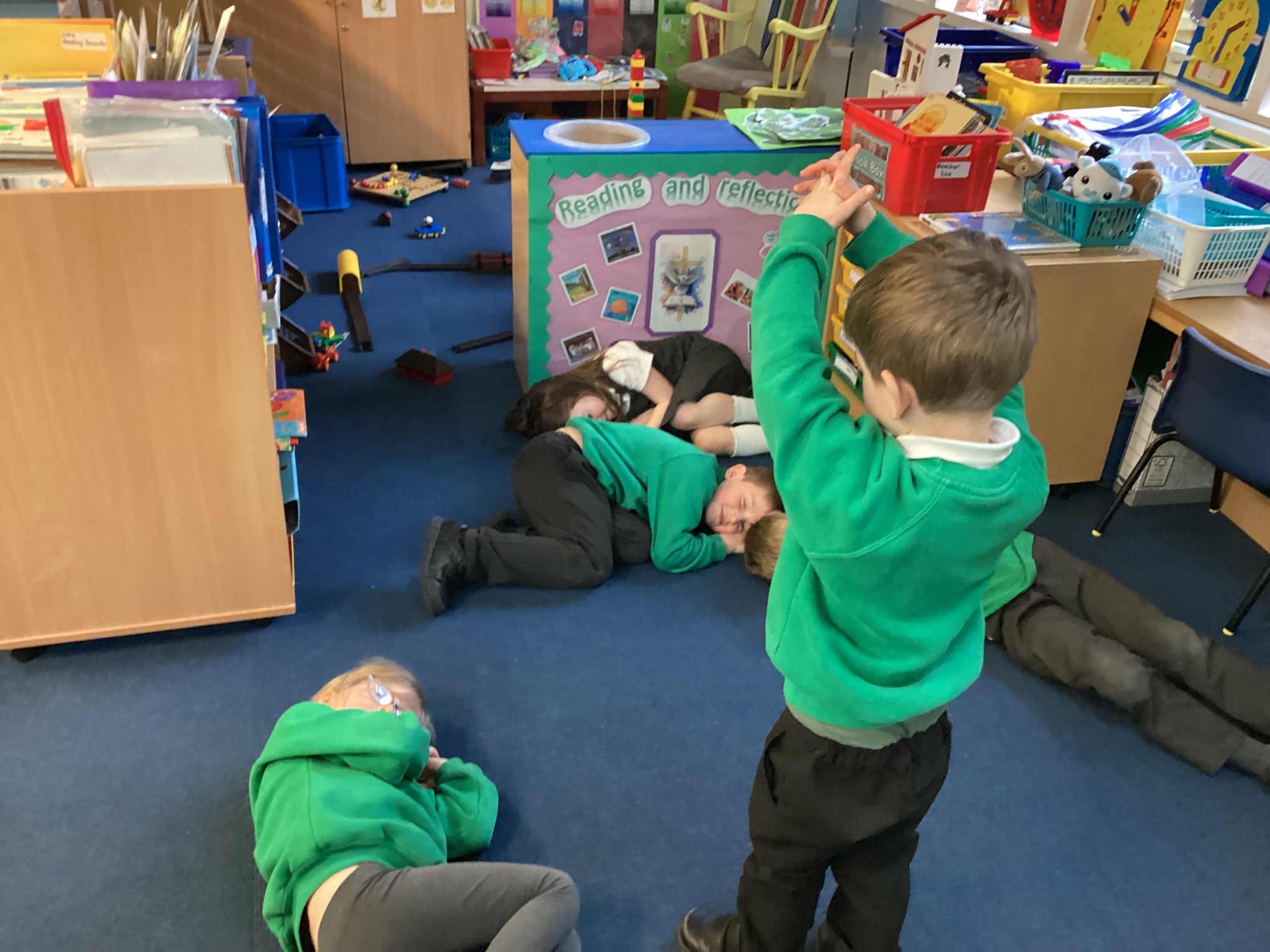
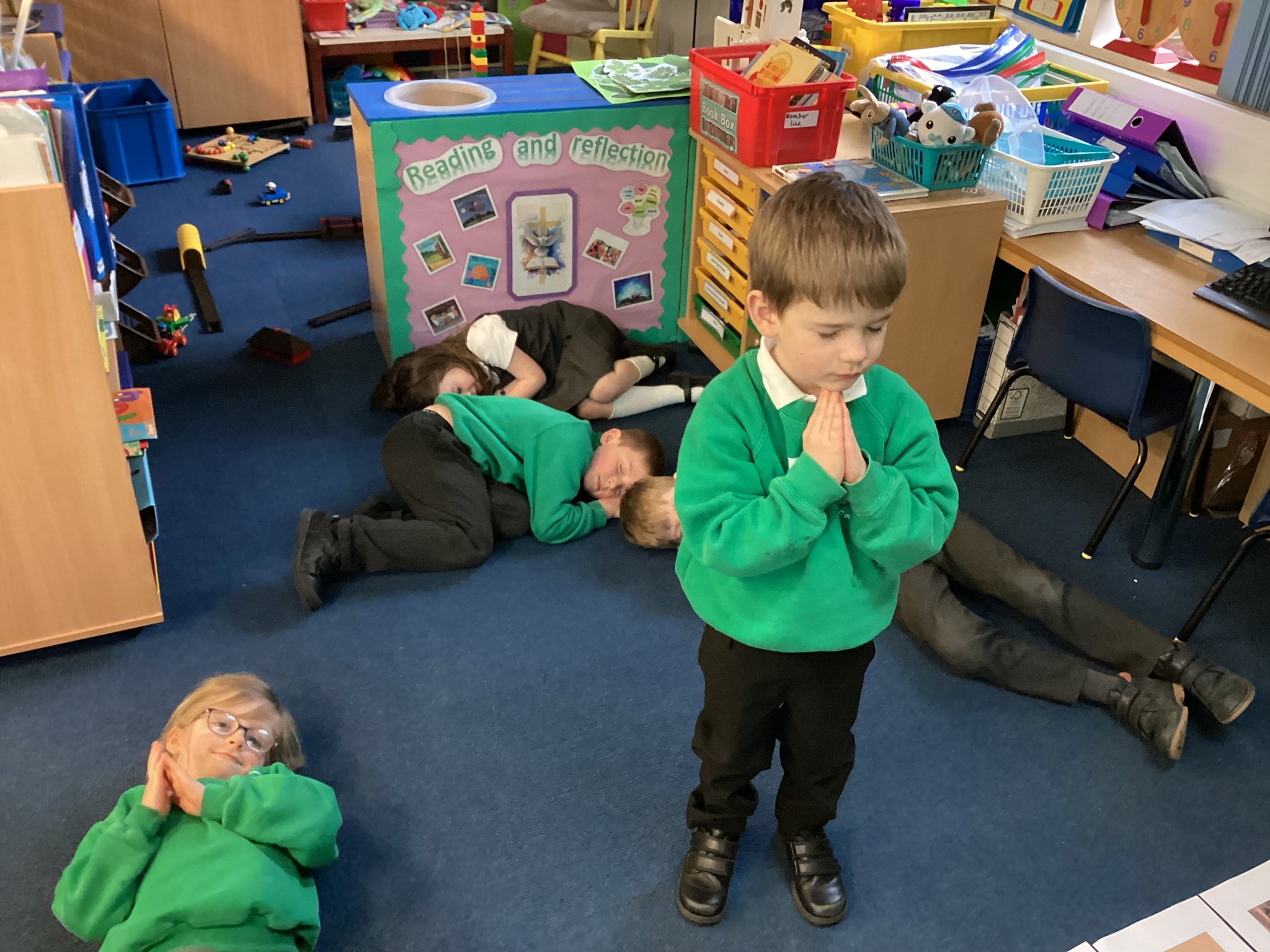
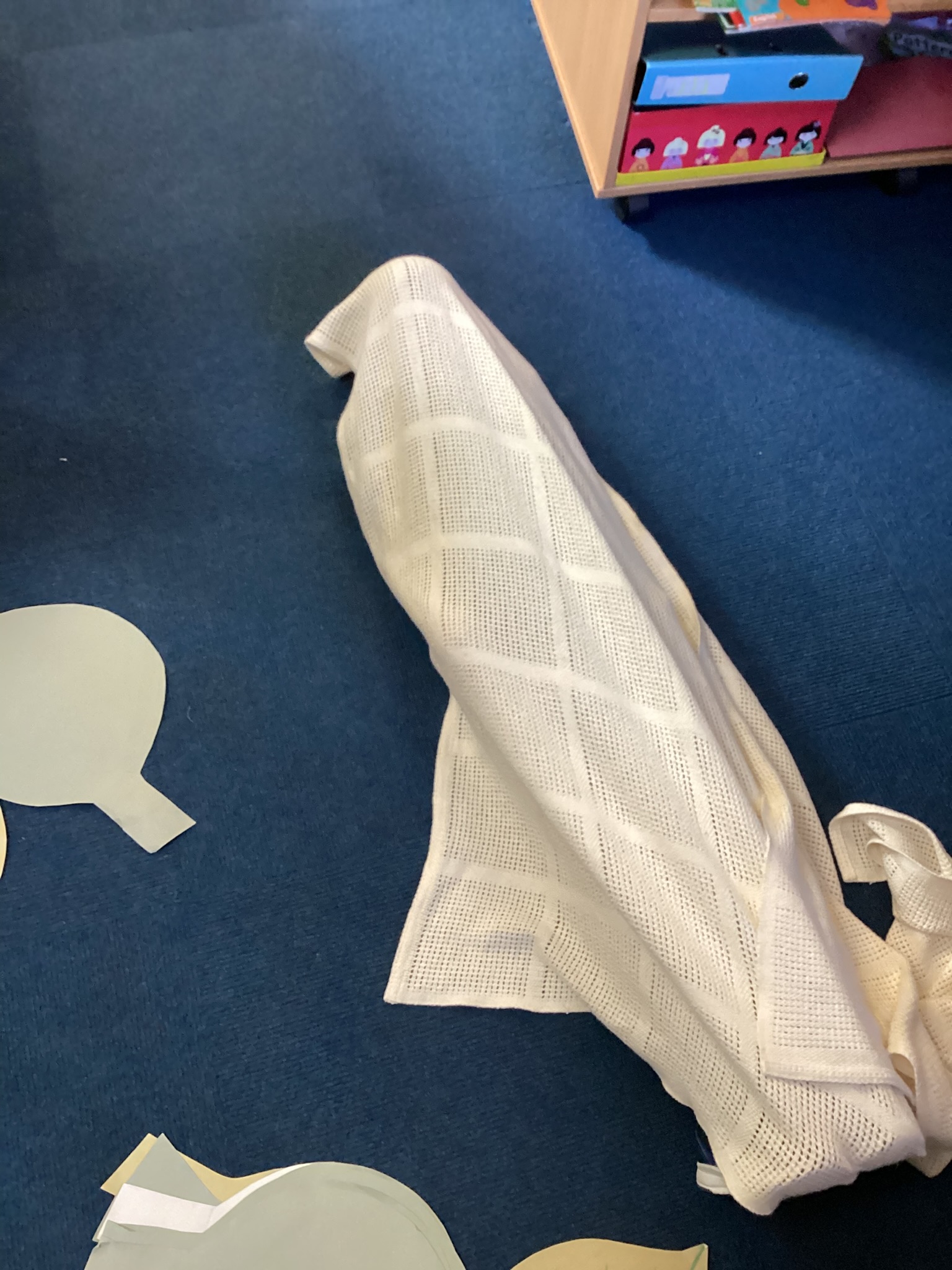
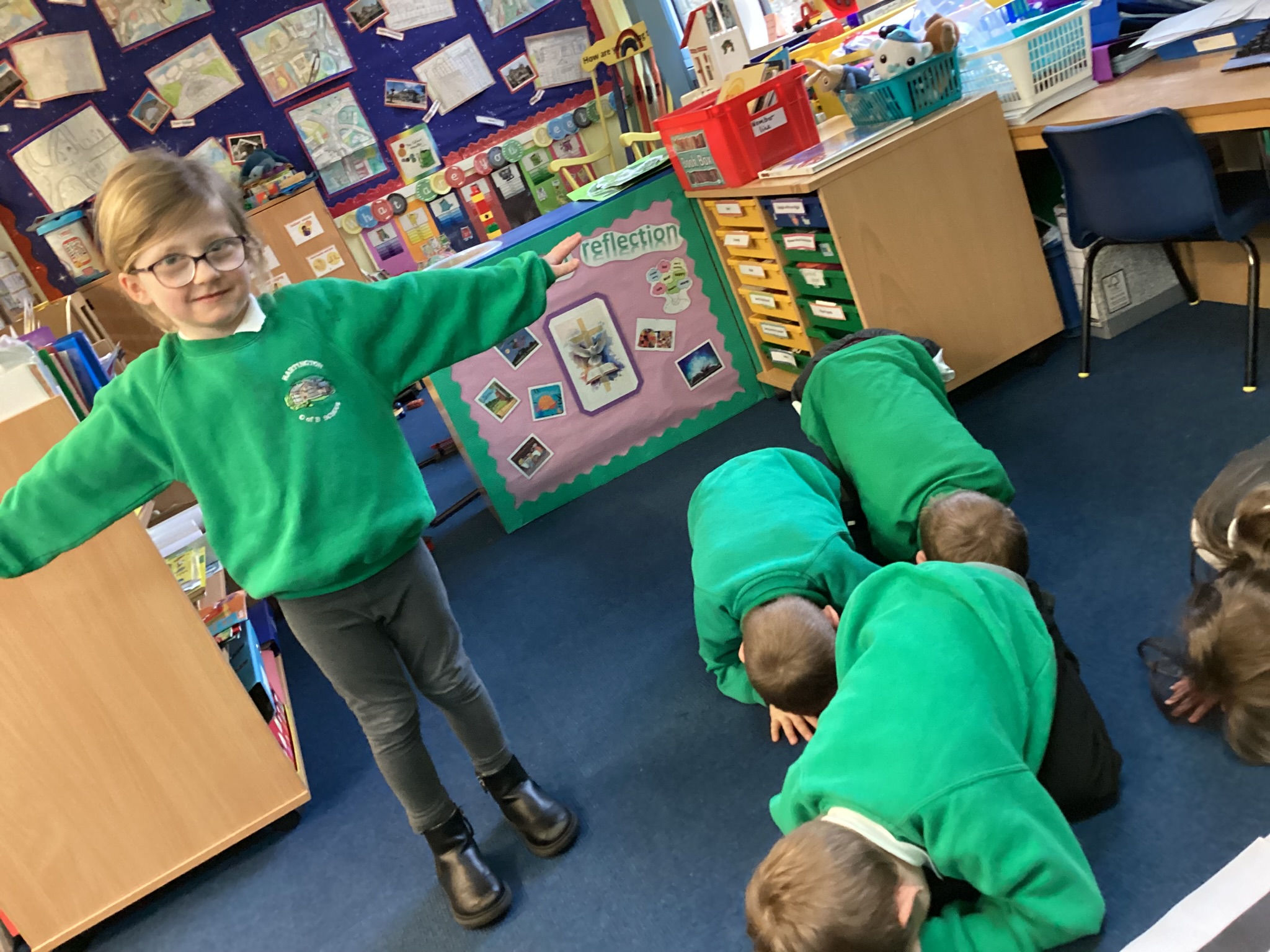
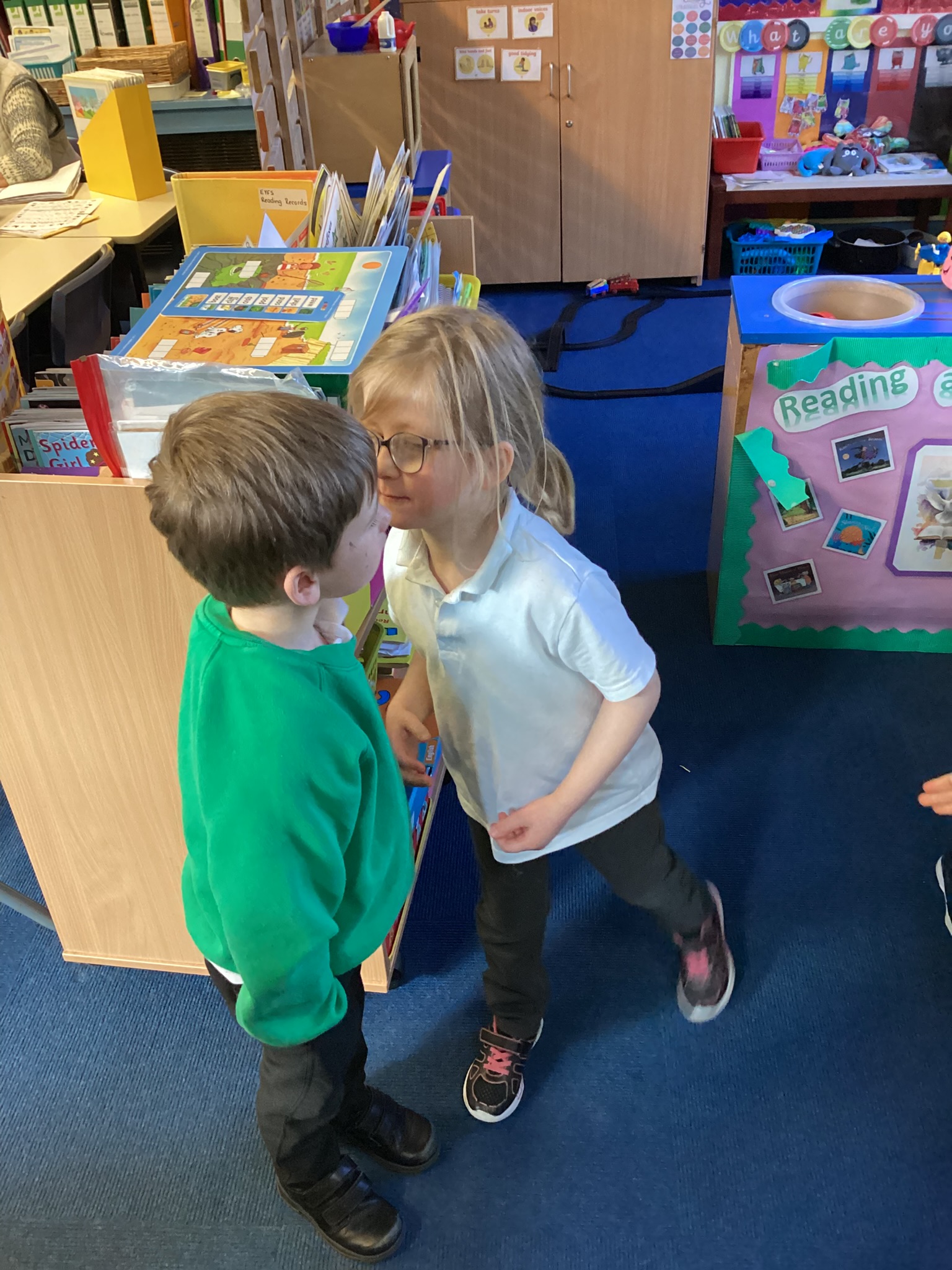
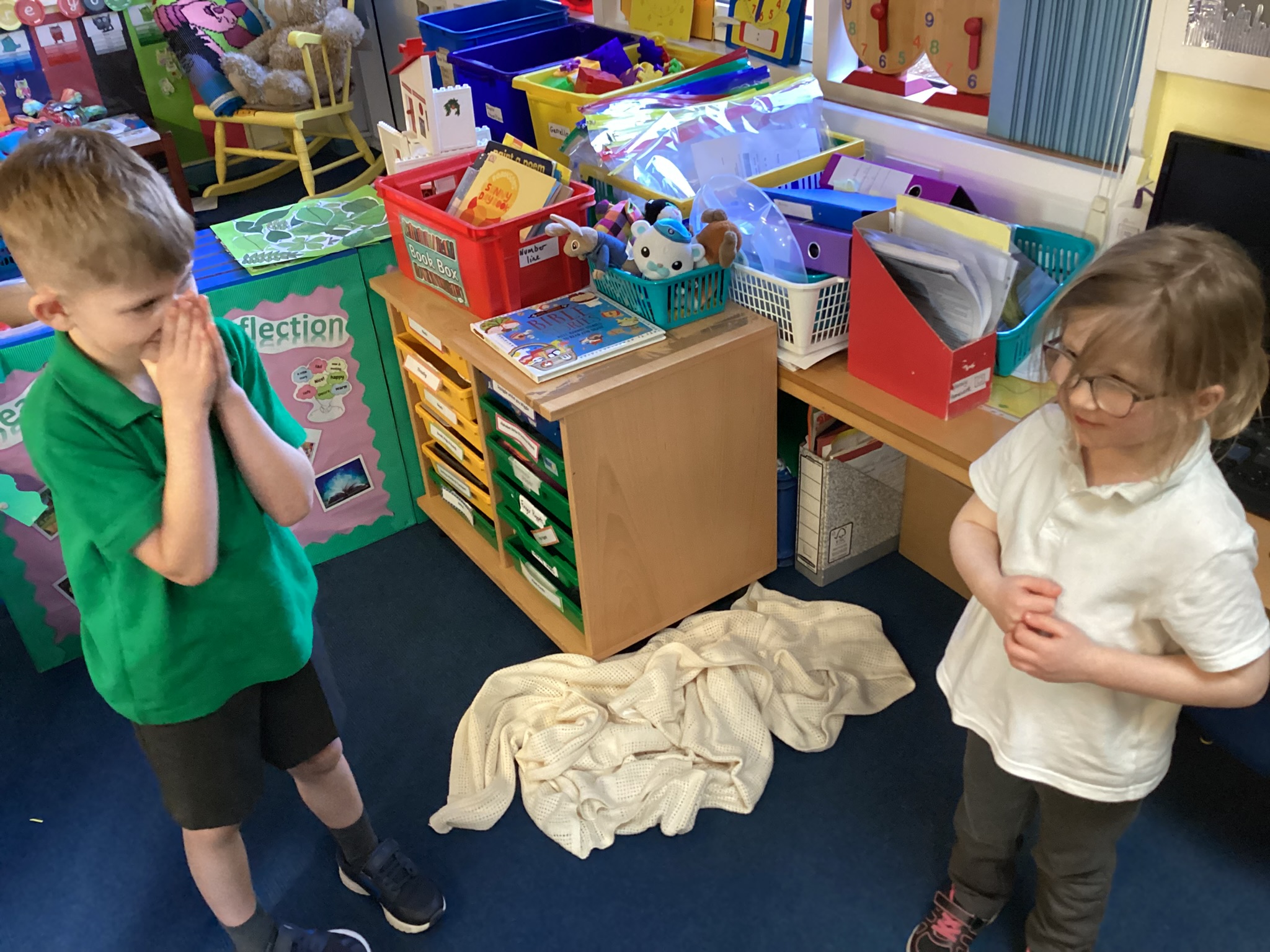
Through role play and sequencing activities we identified the order of the events of Holy Week and the significance of each of these to Christians and to extend our knowledge of the chronology of the Easter story by exploring the stations of the cross.
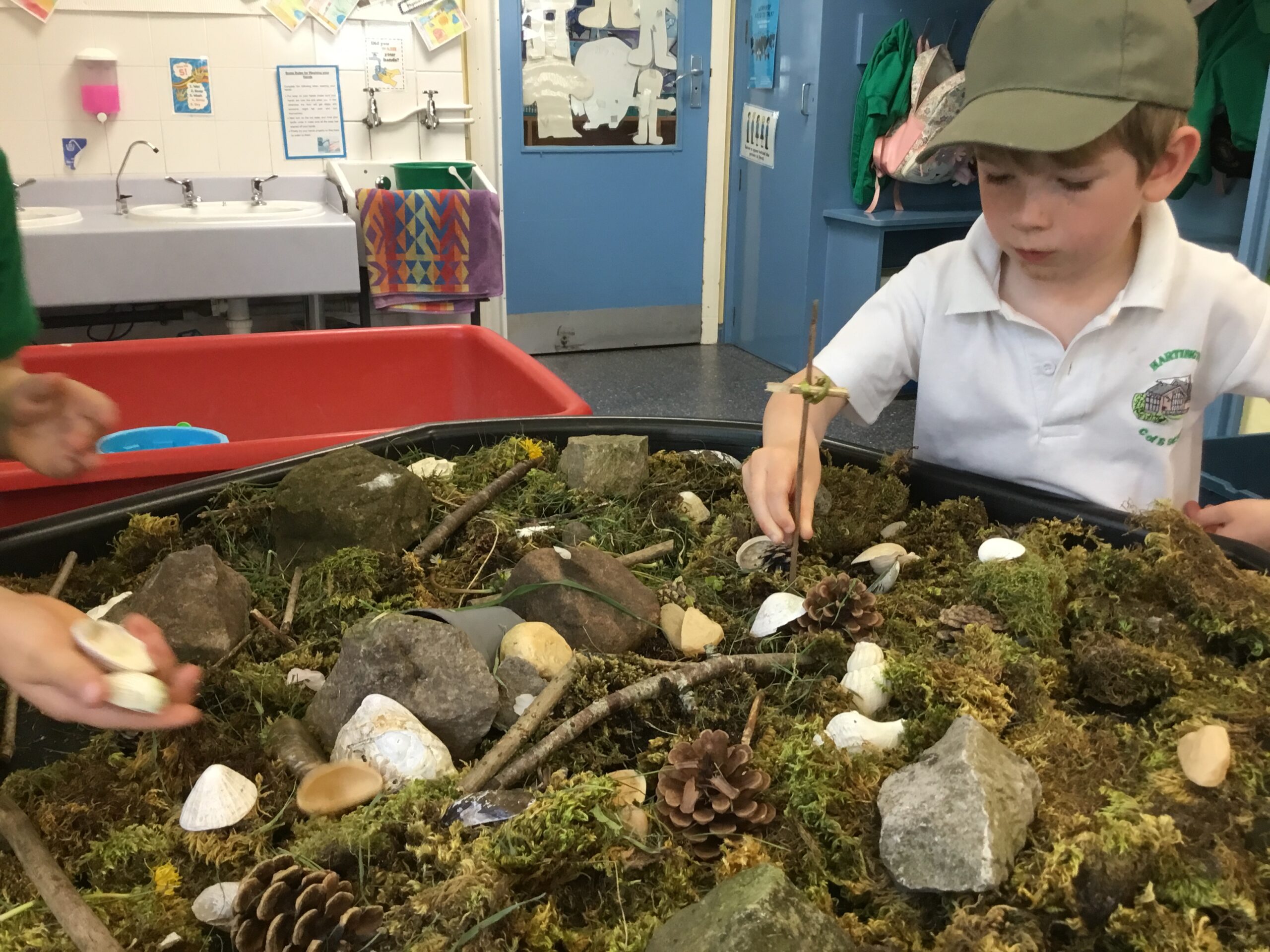
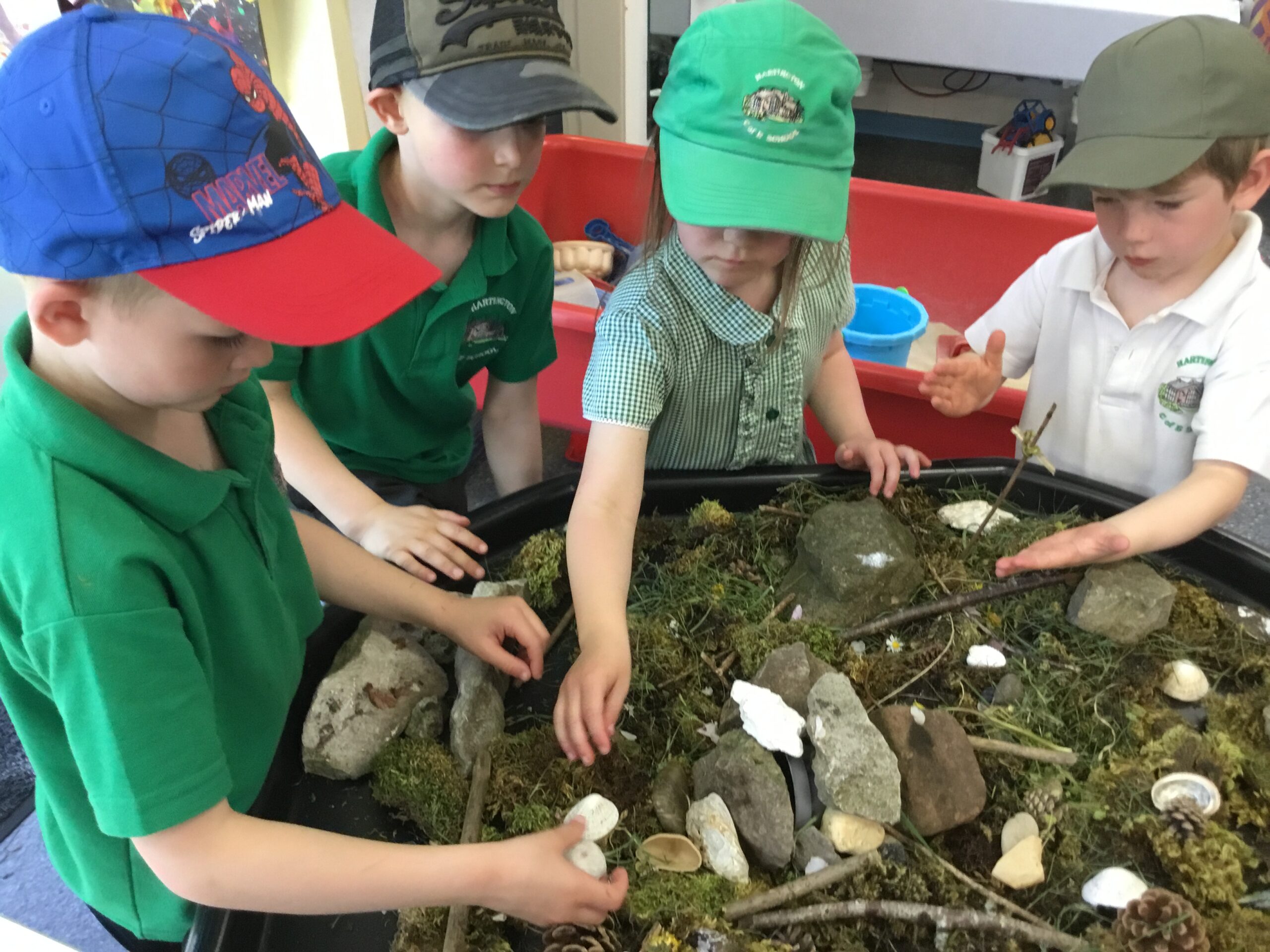
Using the symbolism of the Easter garden and this being ‘destroyed’ we thought about how Christians believe that God can rebuild when something goes wrong, and that Jesus died so people would be forgiven by God for things they say, do or think.
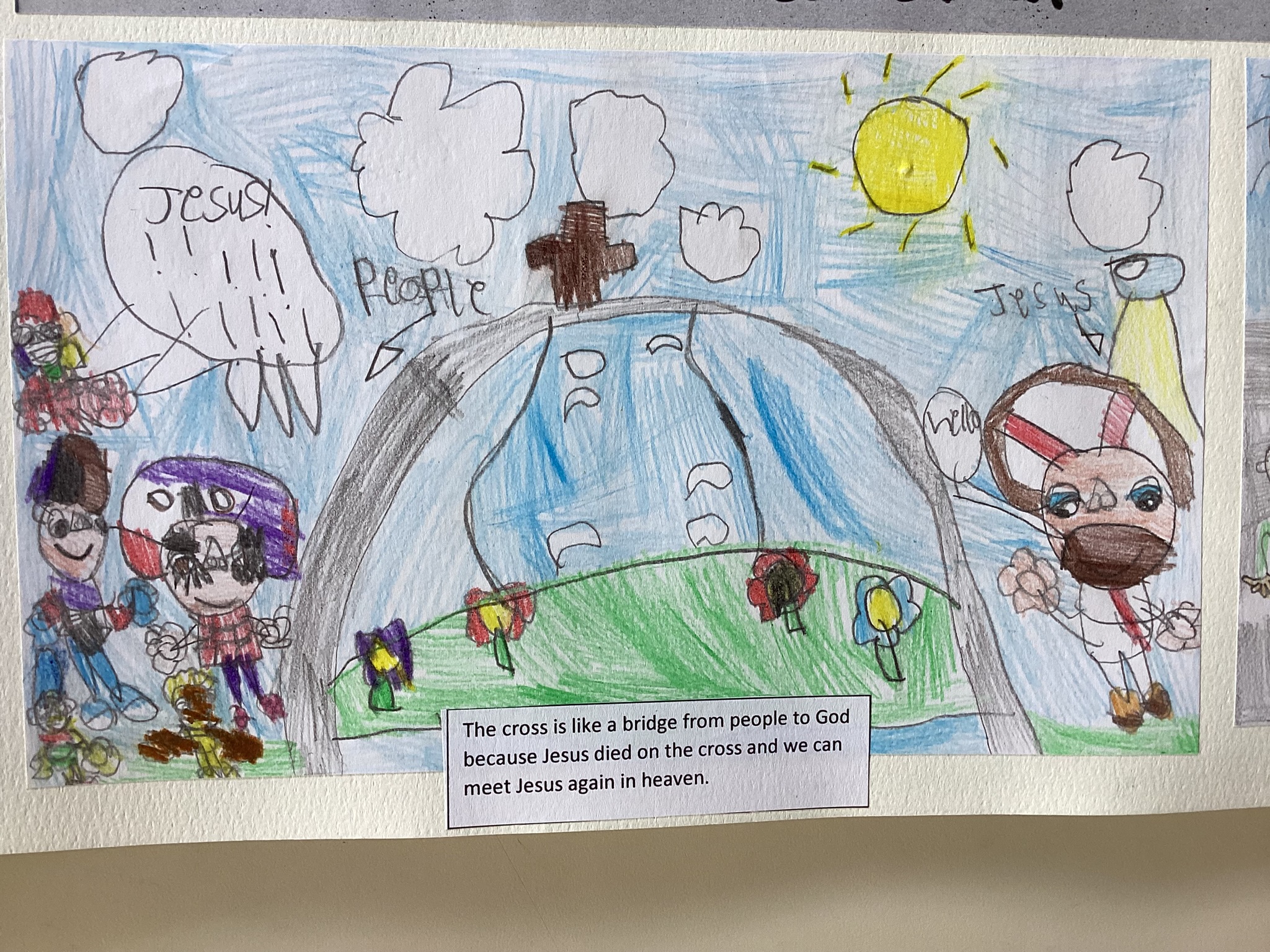
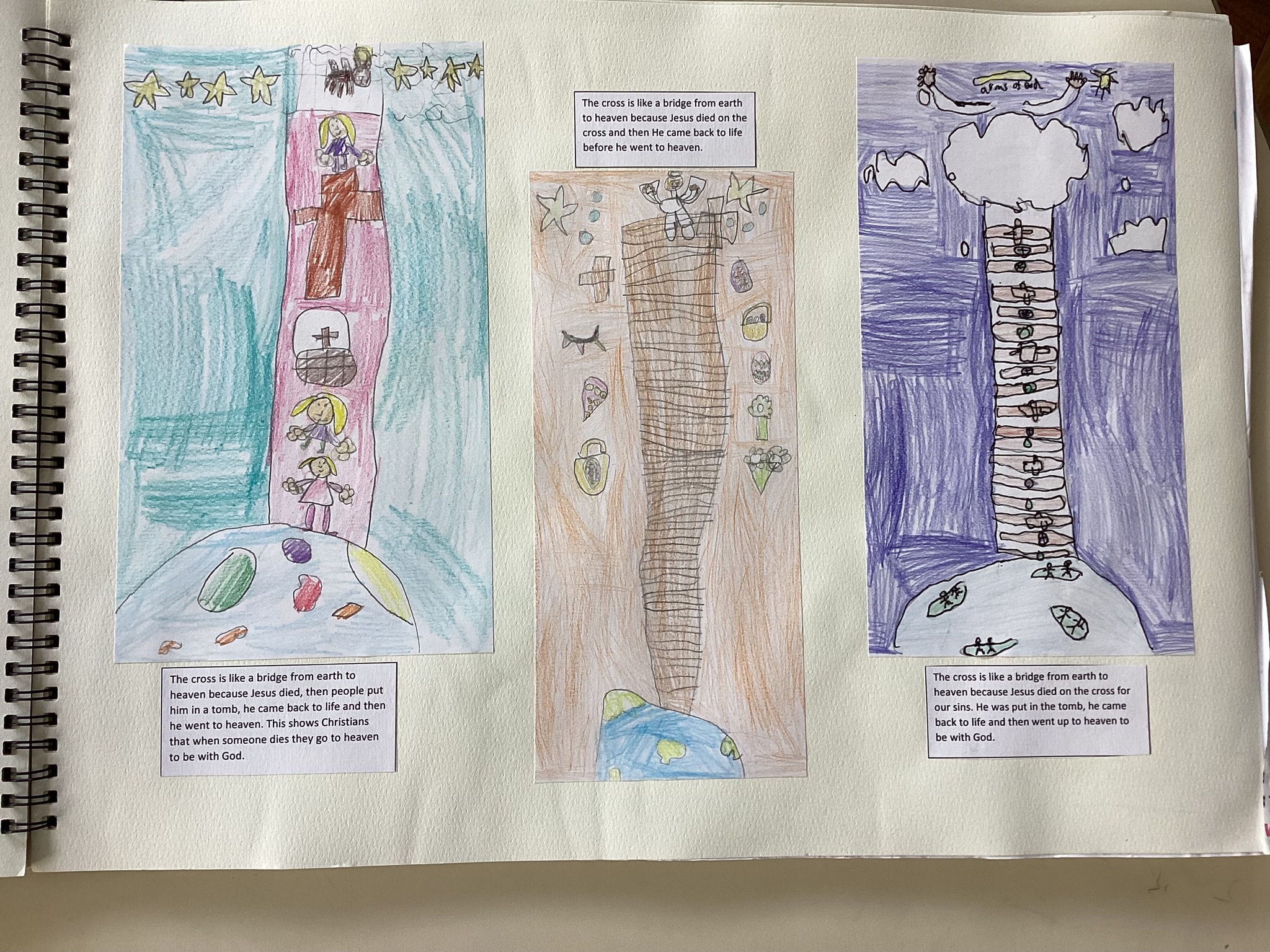
Finally the children created their own images of how they thought Christians might believe that Jesus builds a bridge between God and humans and how the cross is symbolic of this.
‘The cross is like a bridge from God to us because it showed Jesus died on the cross and went to heaven to be with God, his Father. It shows us we can be with God always and God is always with us, like Jesus always spoke to God.’
‘The cross is like a bridge from earth to heaven because after Jesus died He has not left our side because heaven is all around us. When Jesus died Christians believe it showed people that heaven is real.’
‘The cross is like a bridge from earth to heaven because Jesus was on earth and then He got put on the cross and the cross made Him go up to heaven to be with God and other people who had died.’
Key Stage 2 – Spring Term 1 – 2026
Creation and Science: conflicting or complimentary?
This half term in RE, we dived into the fascinating relationship between Creation and science. We began by exploring the Genesis creation story, using it as a foundation to understand how different Christian perspectives interpret the origins of the universe. A key part of our learning involved looking at how some believers bridge the gap between scripture and modern discovery, specifically how they link the text of Genesis to scientific theories like the Big Bang or evolution. By examining these diverse responses, we gained a deeper insight into how faith and science can coexist or challenge one another in the modern world.
Key Stage 2 – Spring Term 2 – 2026
A-cross the world project: Meaning of the cross for different cultures
This half term in RE, we explored how the symbol of the cross carries unique meanings across different cultures and traditions. We examined the intricate designs of the Mid-African and Japanese crosses, noting how regional artistry influences religious expression. We also studied the historical significance of the Maltese and Jerusalem crosses, alongside the humble palm cross, which helped us understand how a single symbol can represent diverse stories of faith and heritage around the world.
Key Stage 2 – Summer Term 1 – 2025
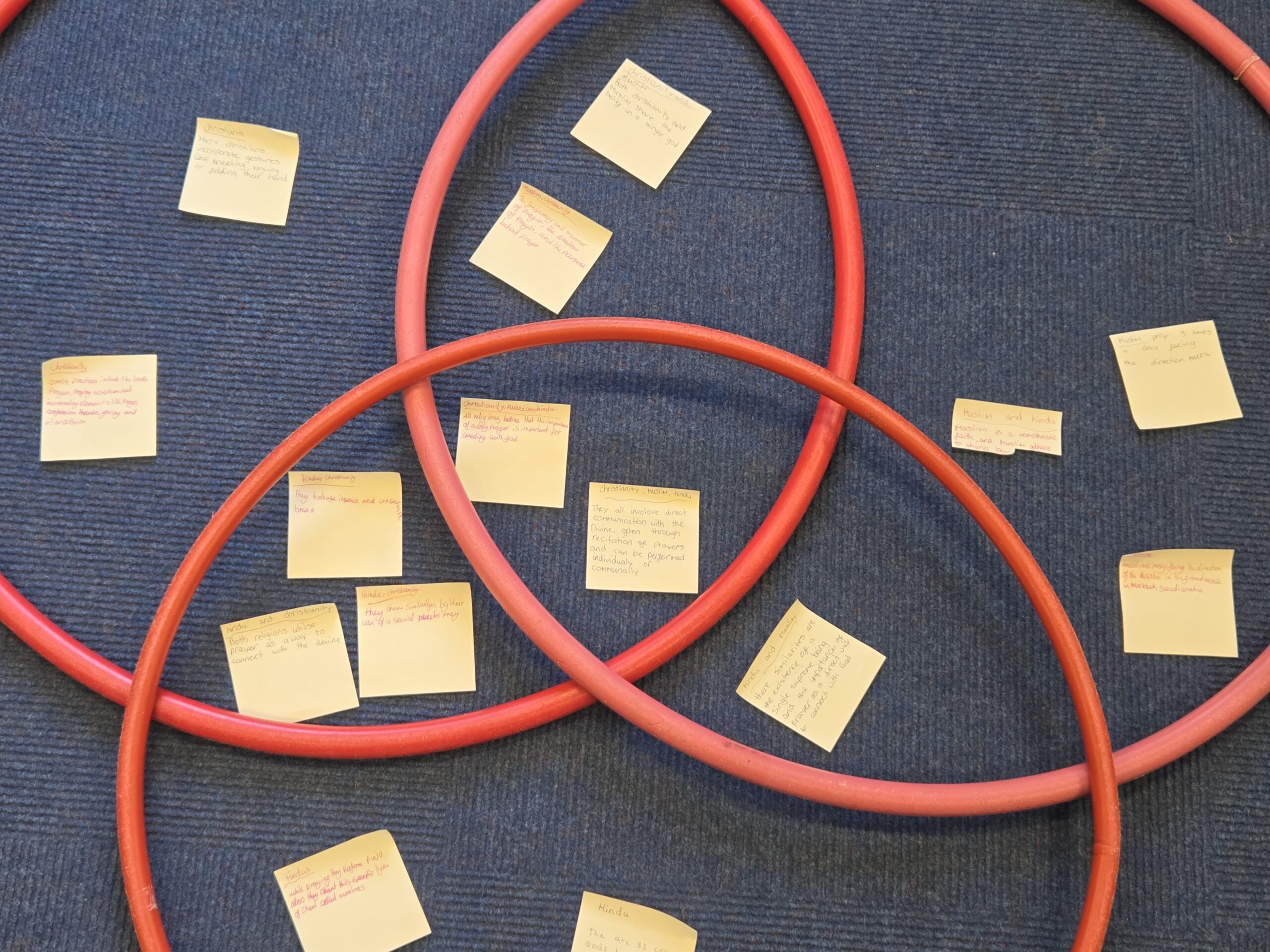
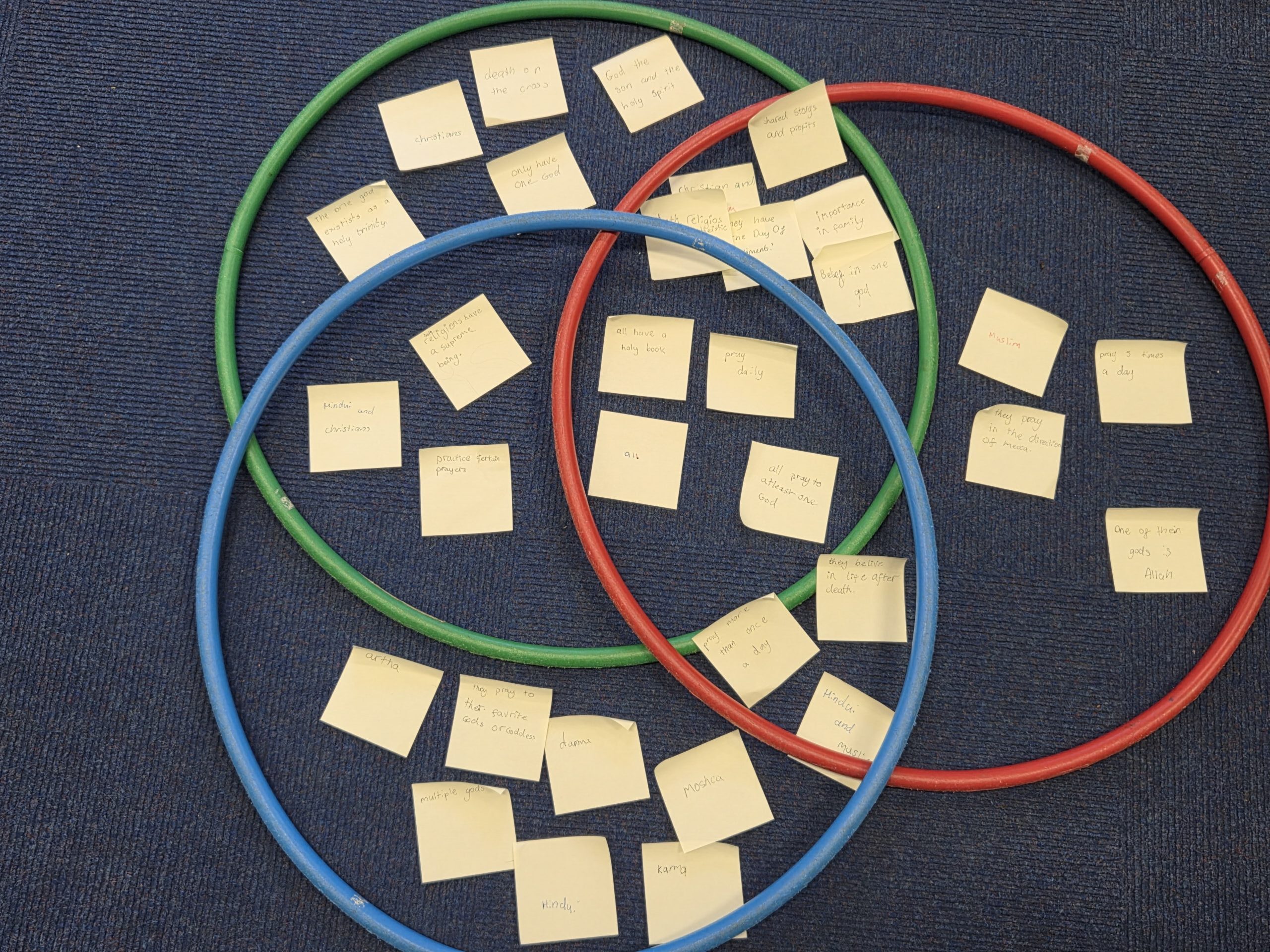
This half term we have been exploring how do Hindus, Muslims and Christians pray. During our first session, we learnt that Hindus, Muslims and Christians pray in many different ways, both using set forms of words and more spontaneously, and the three religions believe similar and different ideas about how God hears prayers. At the end of the session, we completed a Venn diagram identifying the similarities and differences between when, where and how Christians, Muslims and Hindus pray.
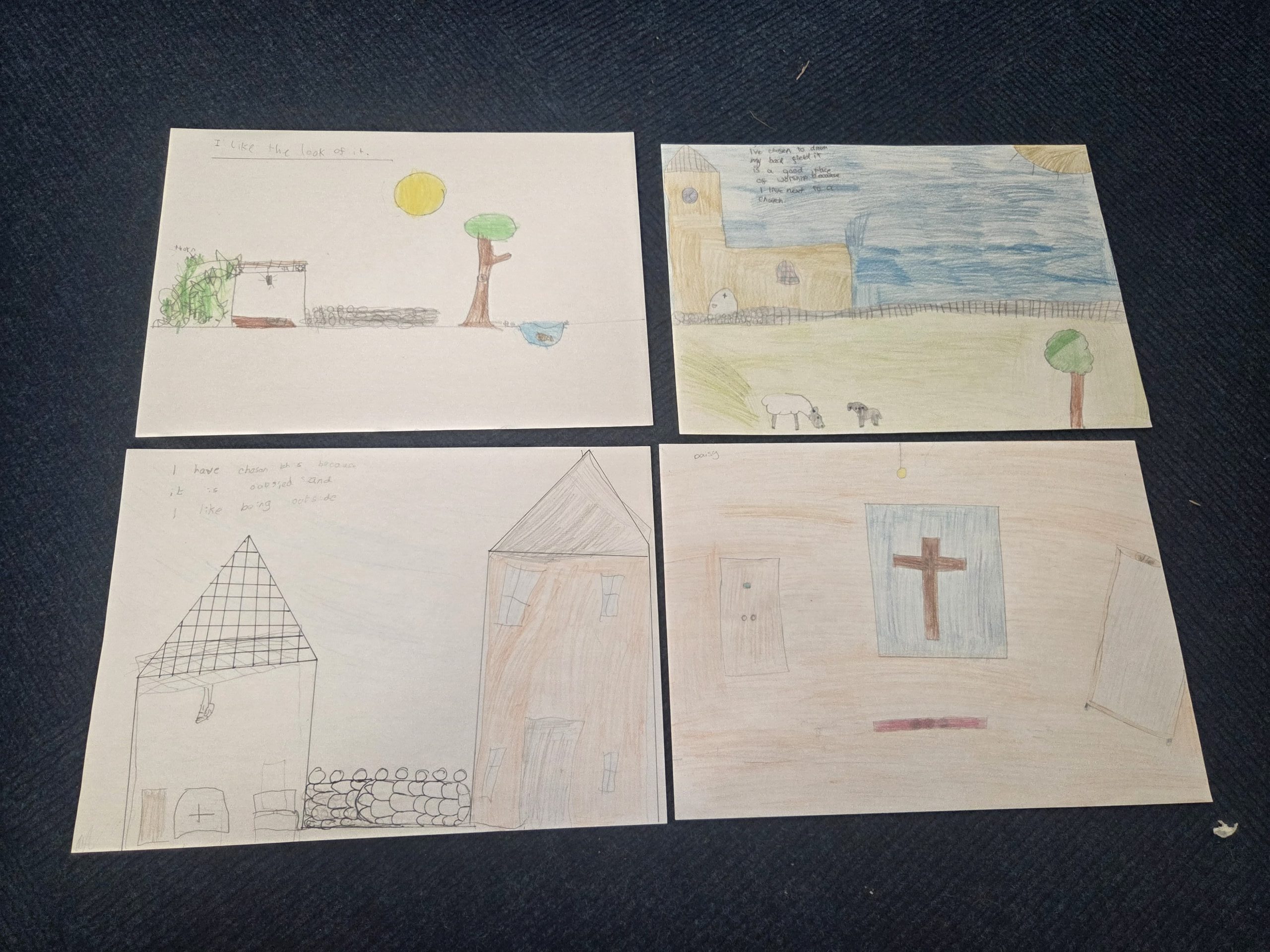
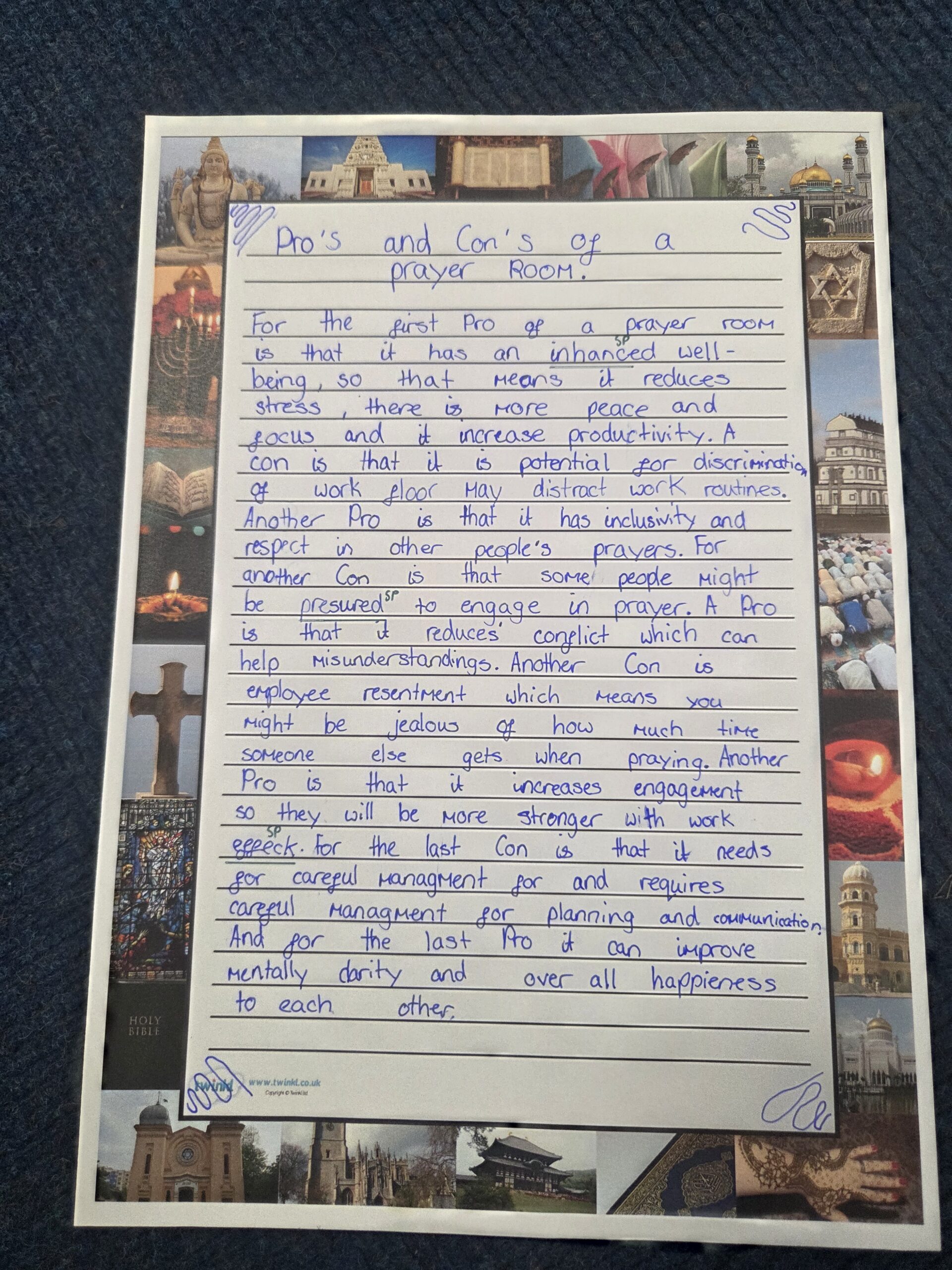
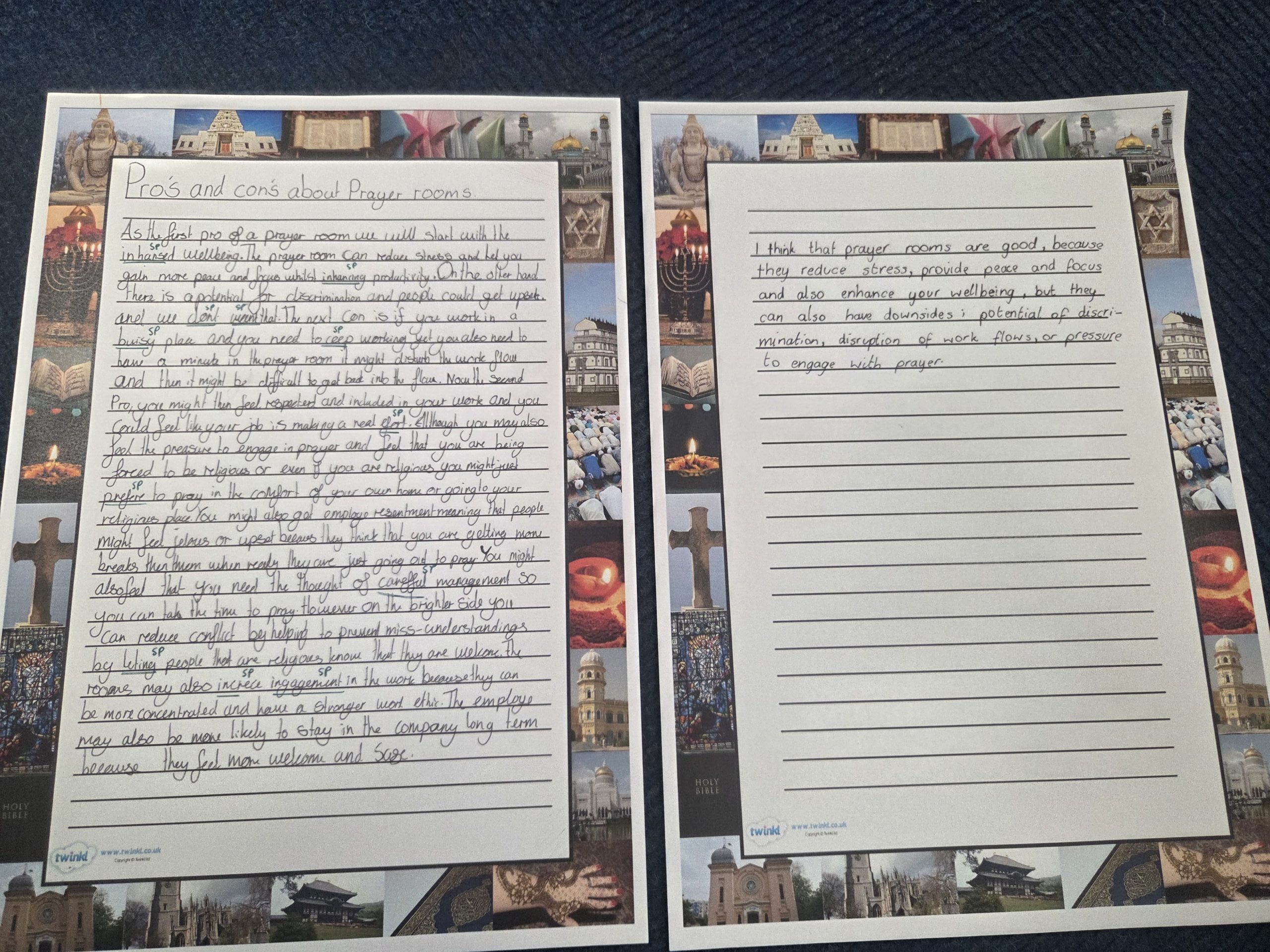
During our next sessions, we explored the impact of prayer and thought about what is needed to help believers pray. During those sessions, Year 3s and 4s designed their own prayer space and Year 5s and 6s, looked at arguments for and against providing a safe prayer space at work. We have also explored the key prayers in the three religions – their key words and their meaning.
Key Stage 1 – Summer Term 1 – 2025
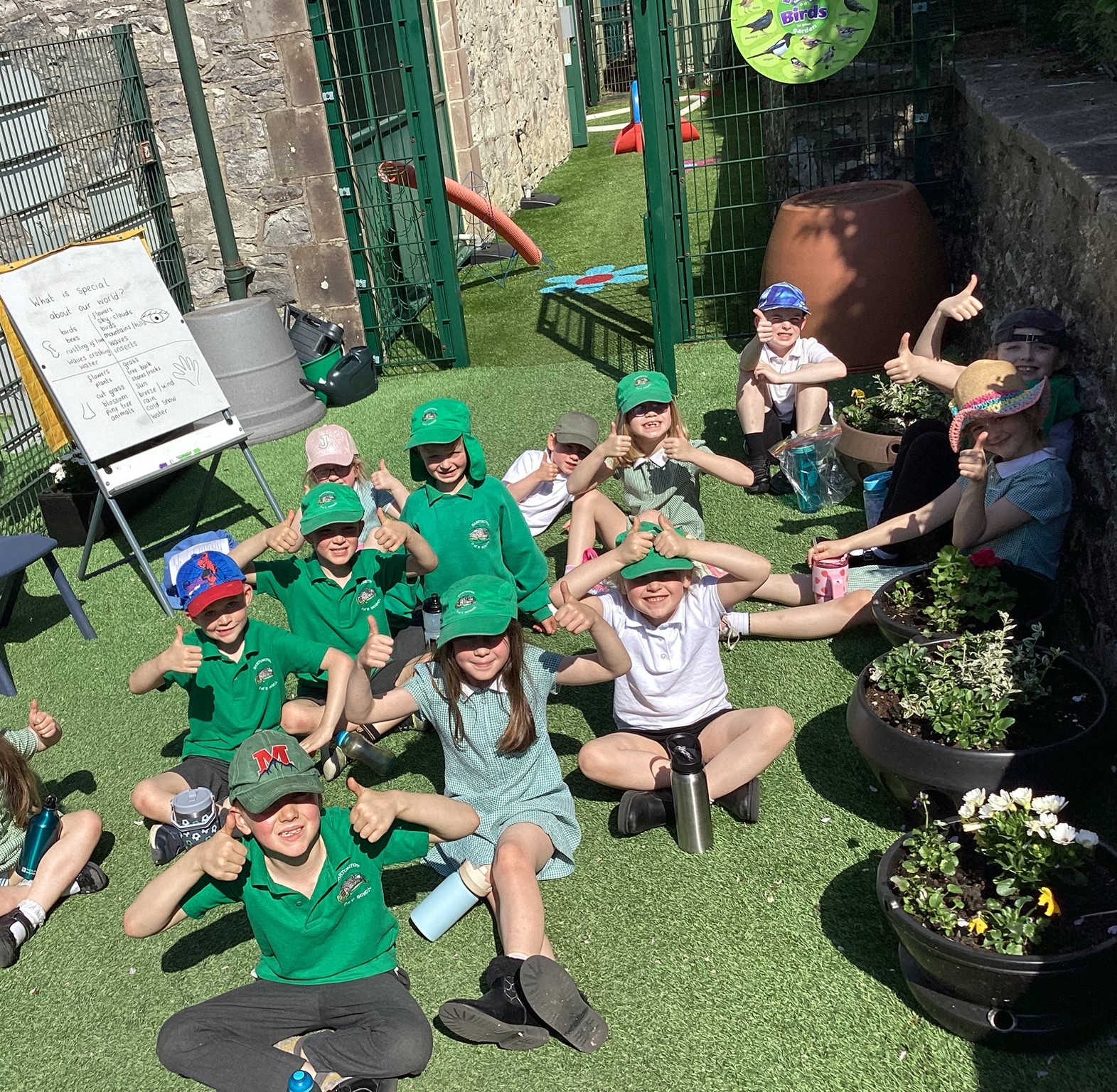
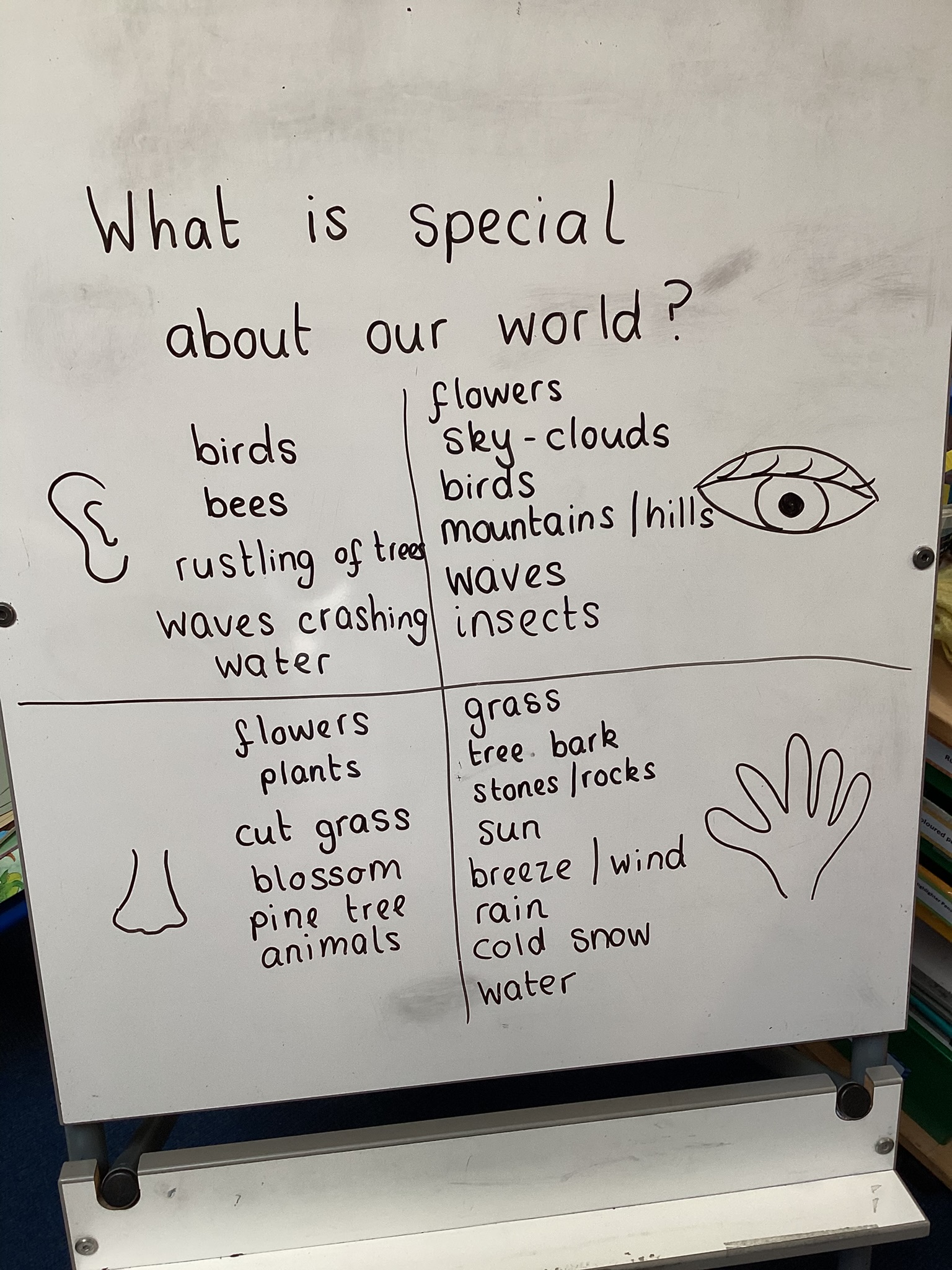
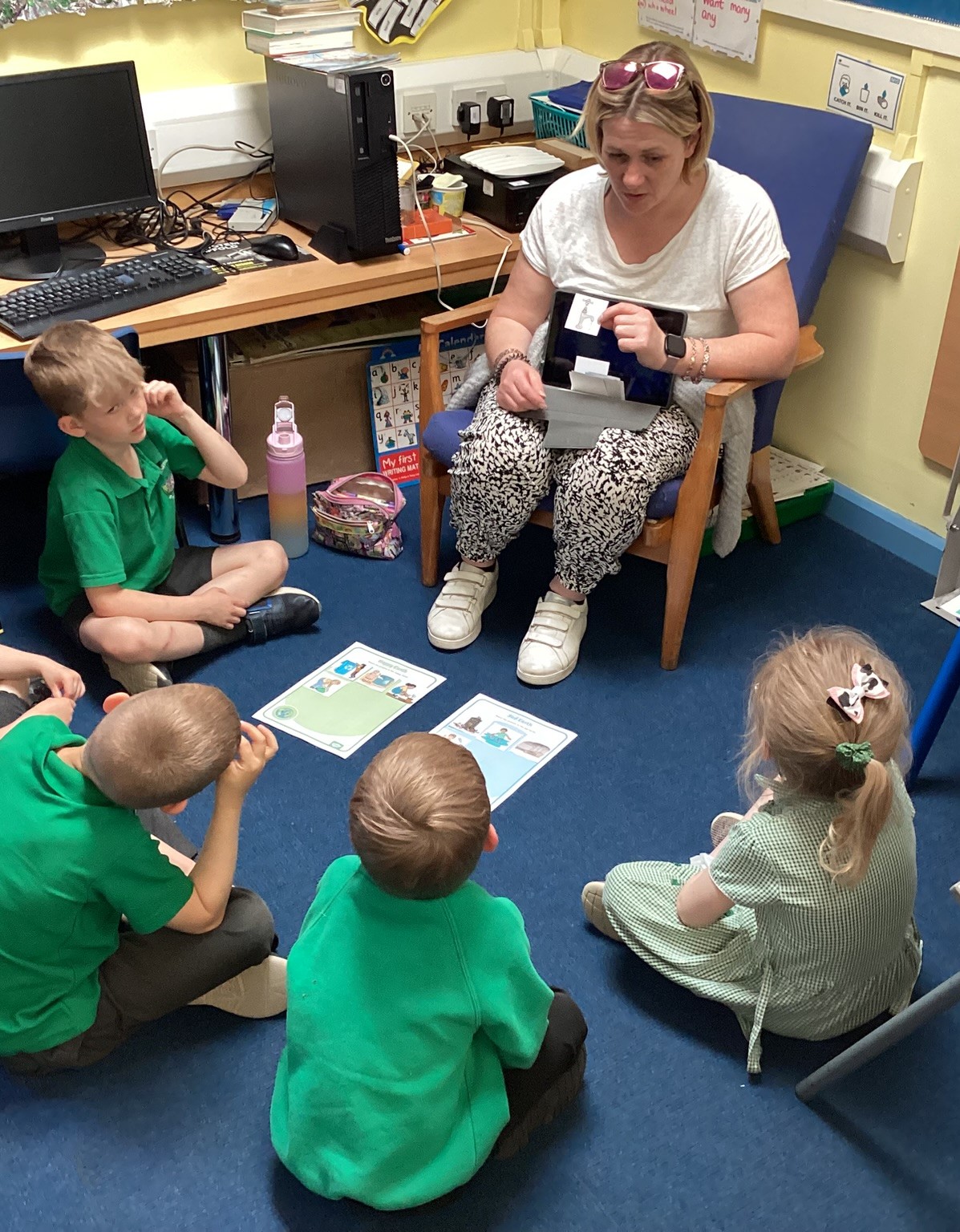
This term we have been thinking about what is special about our world? How should we care for others and our world?
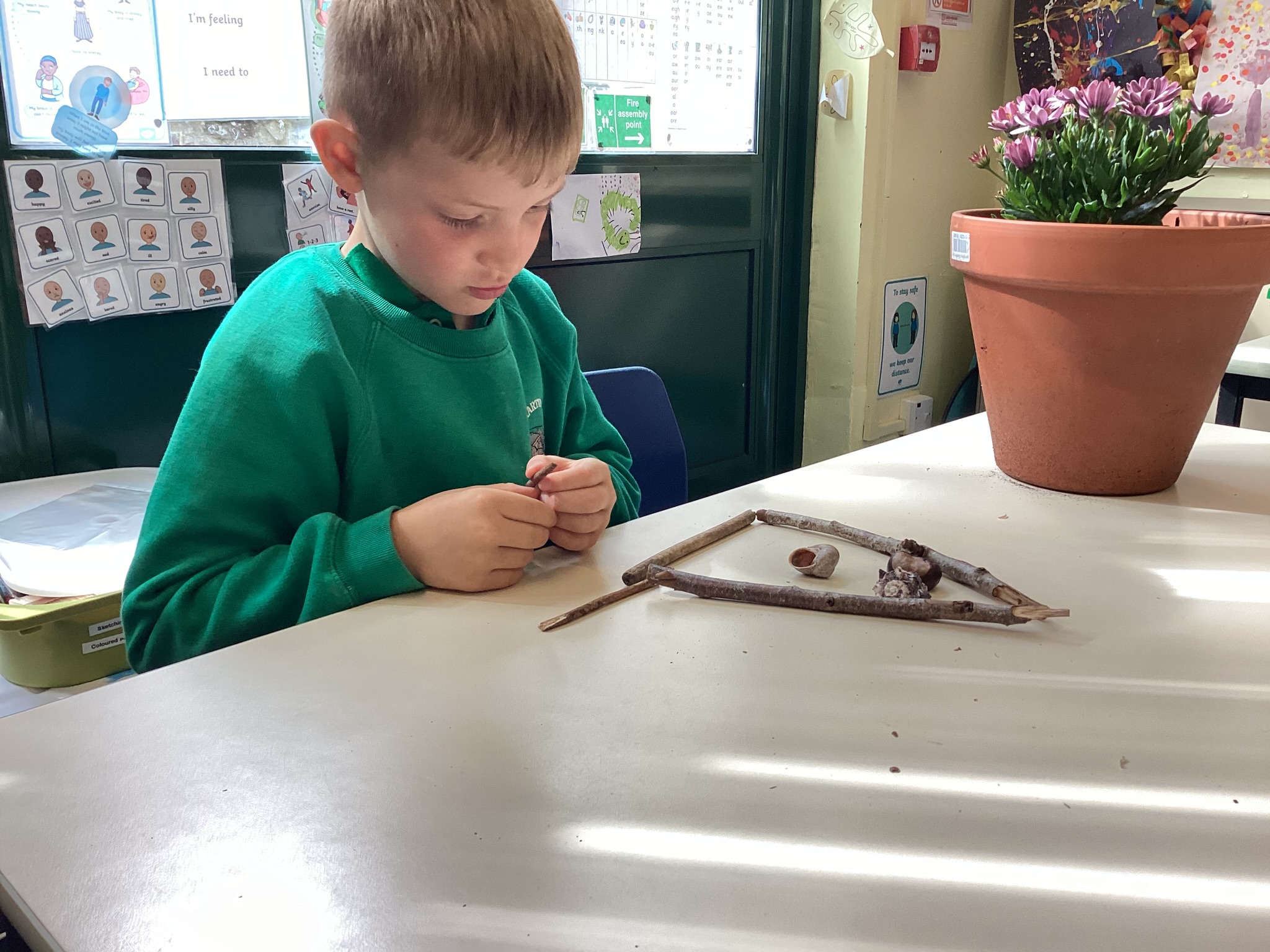
We began by using our senses to think about what we could hear, see, smell and feel in our world around us. The children gave some great suggestions, such as ‘the rustling of the trees, water, breeze, cut grass.’
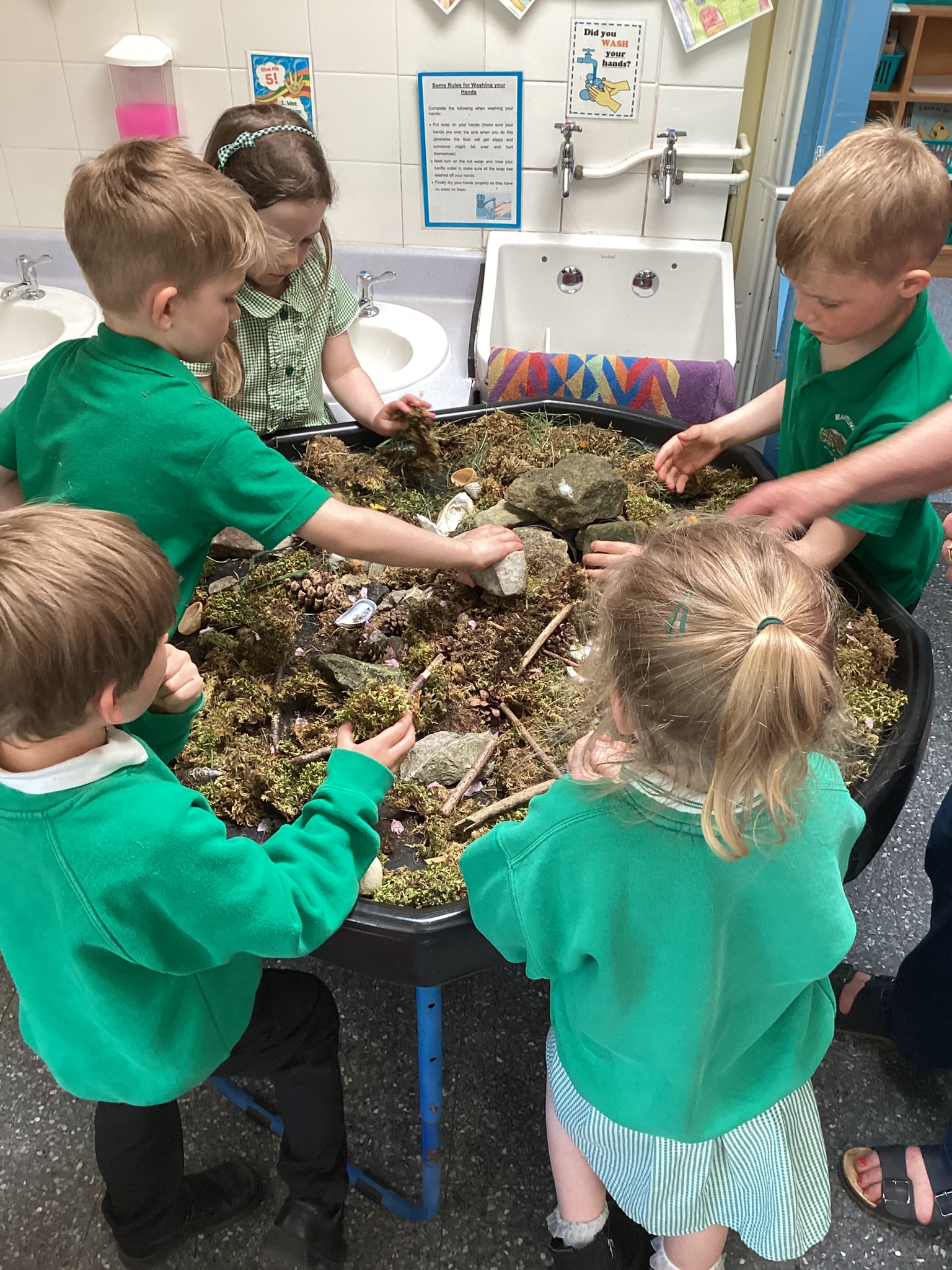
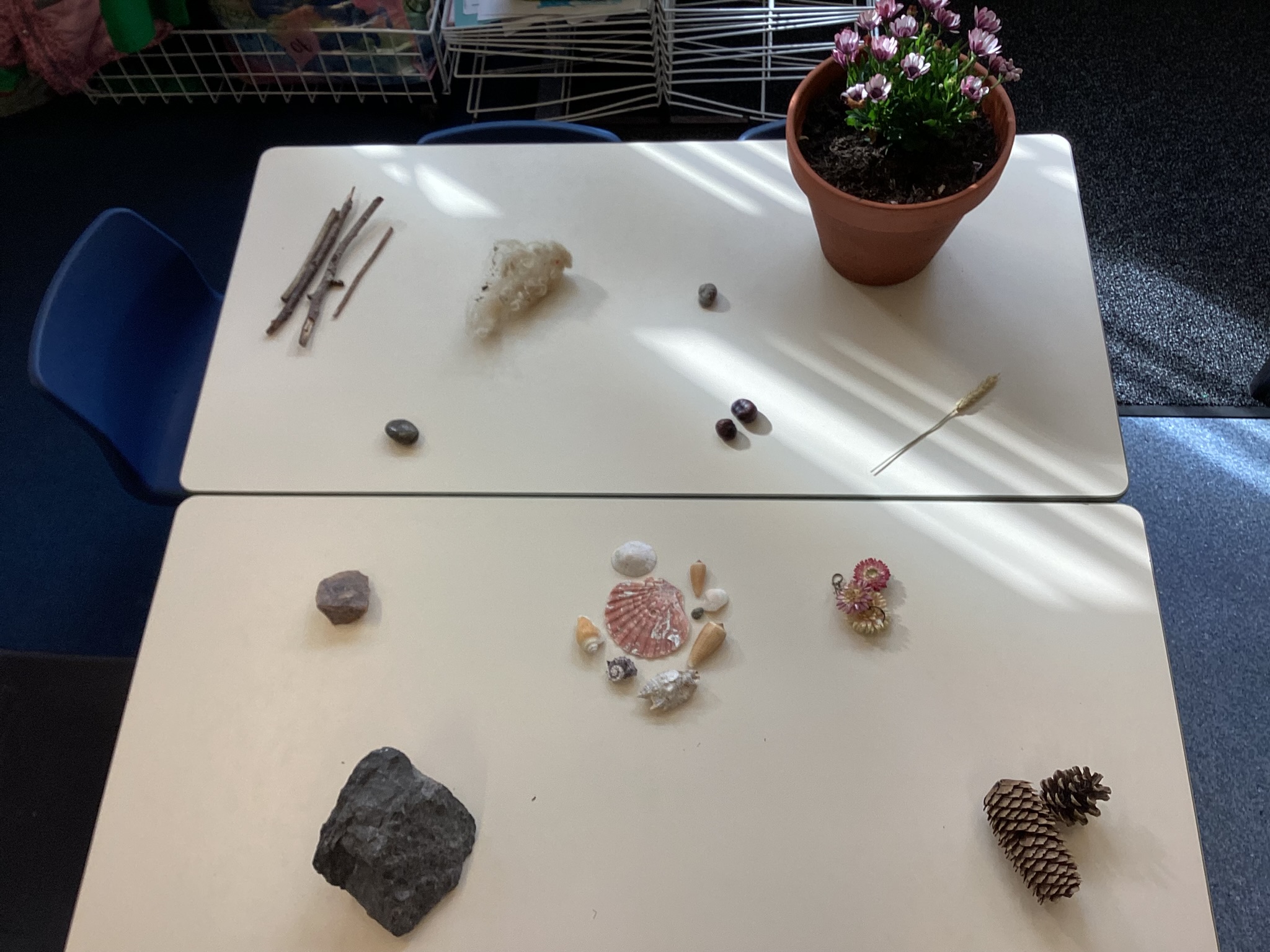
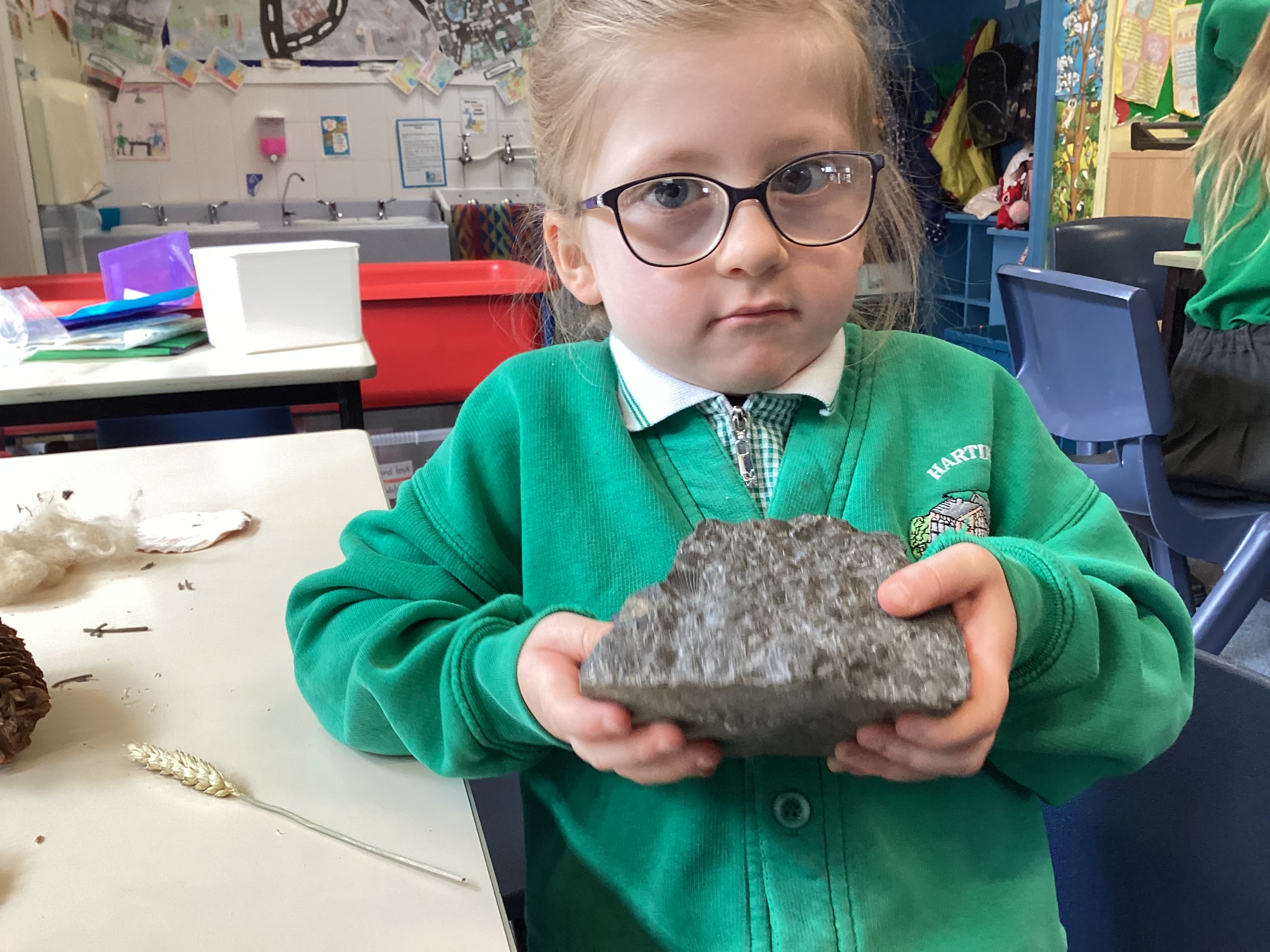
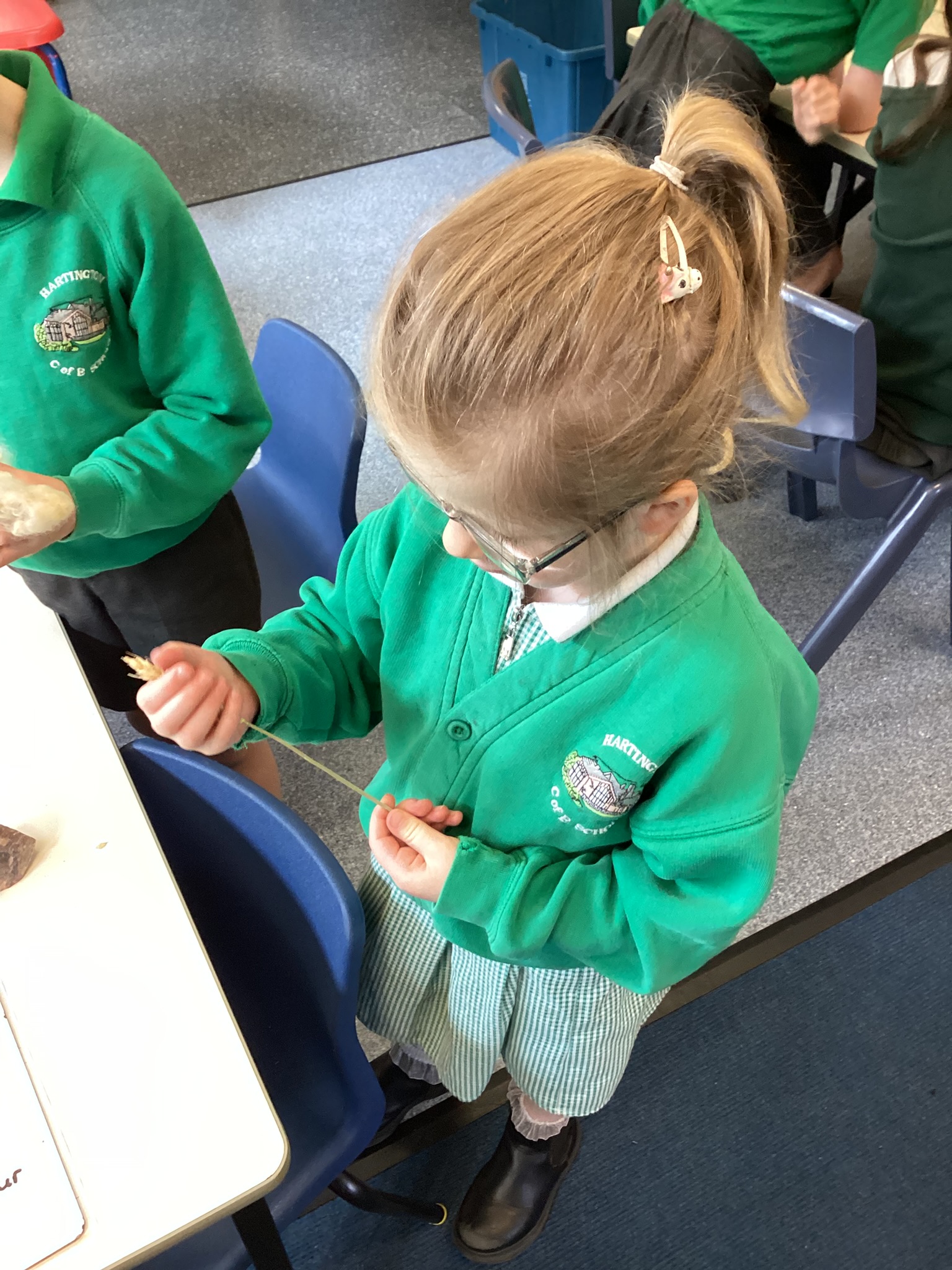
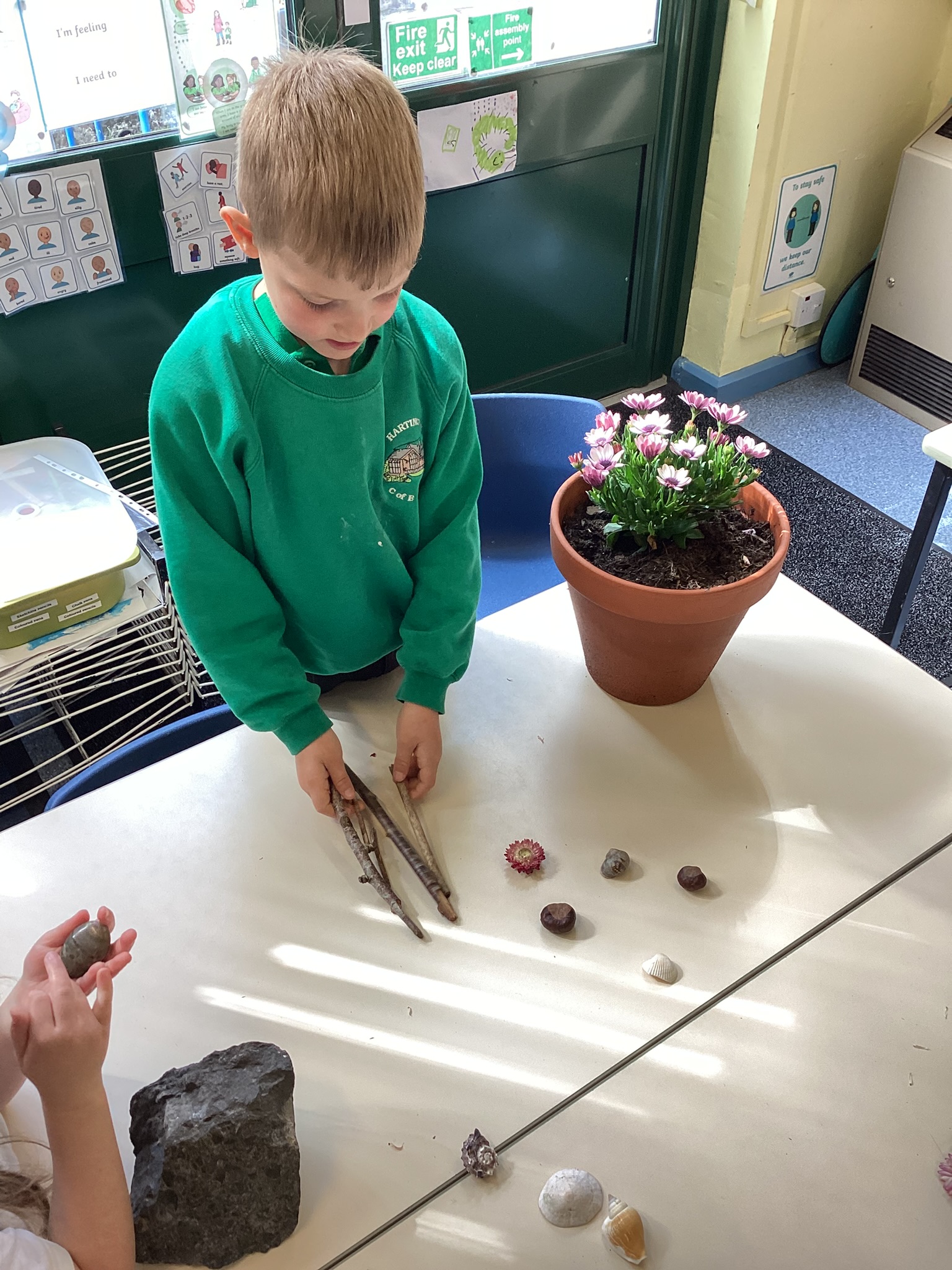
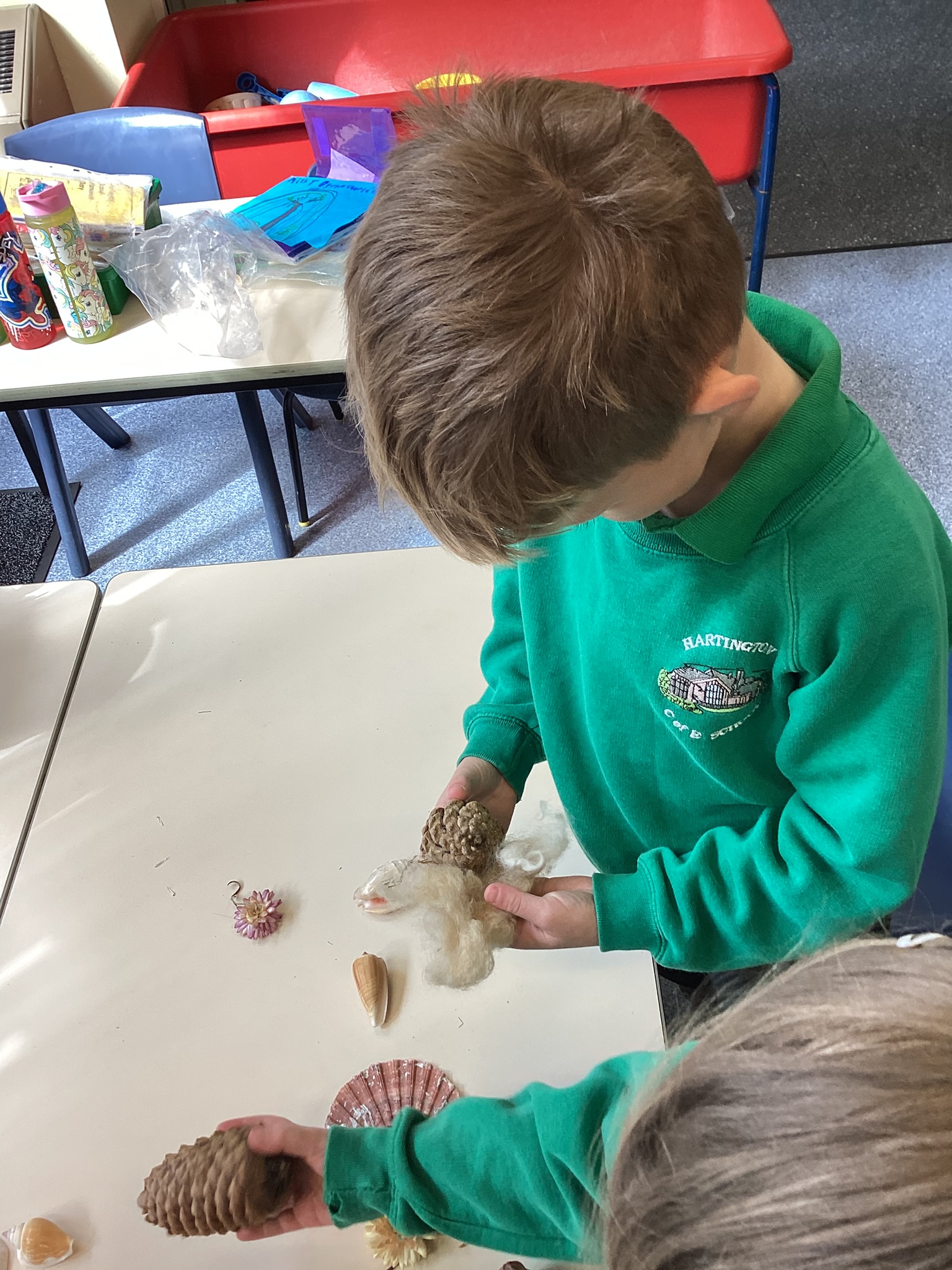
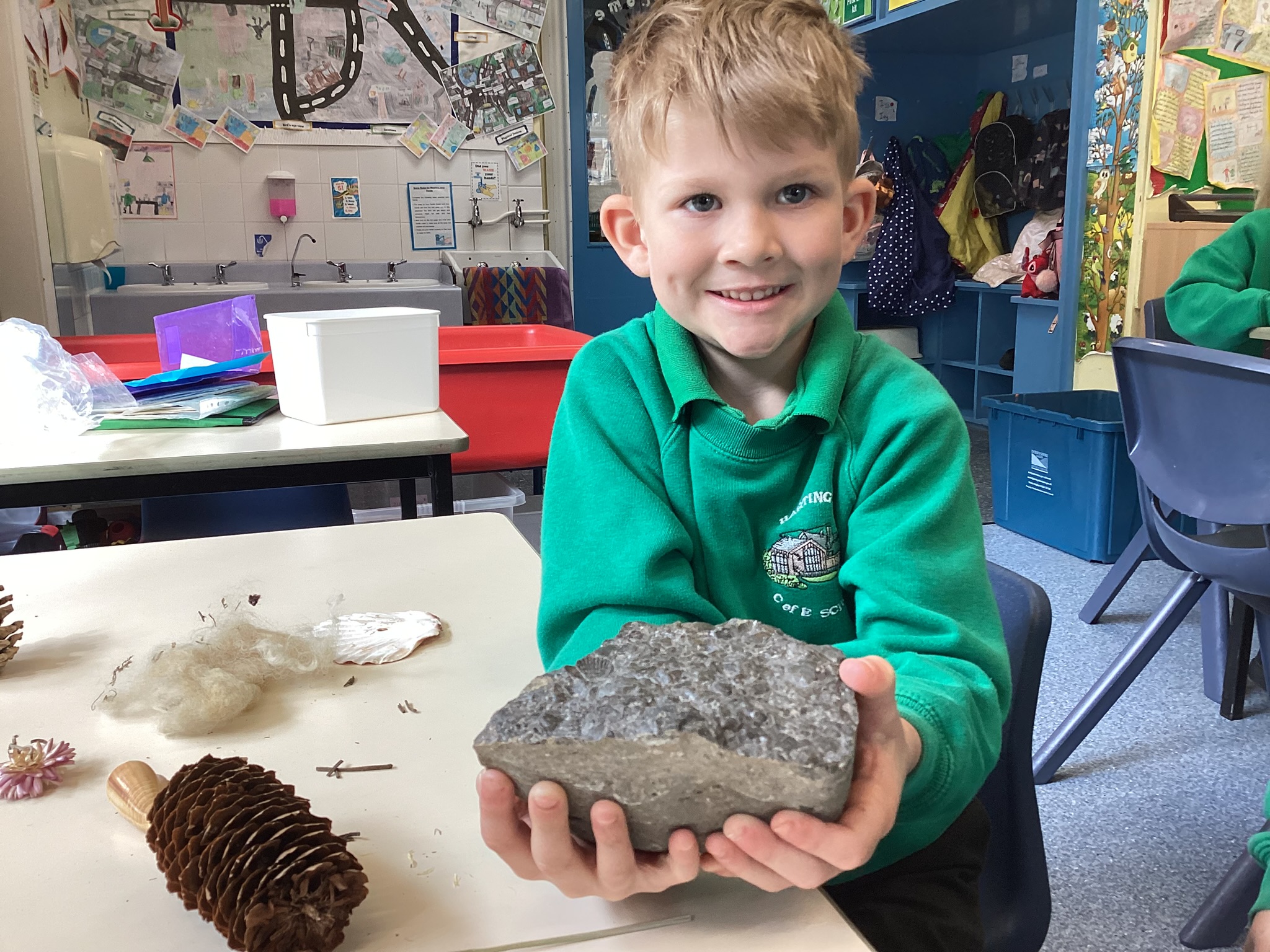
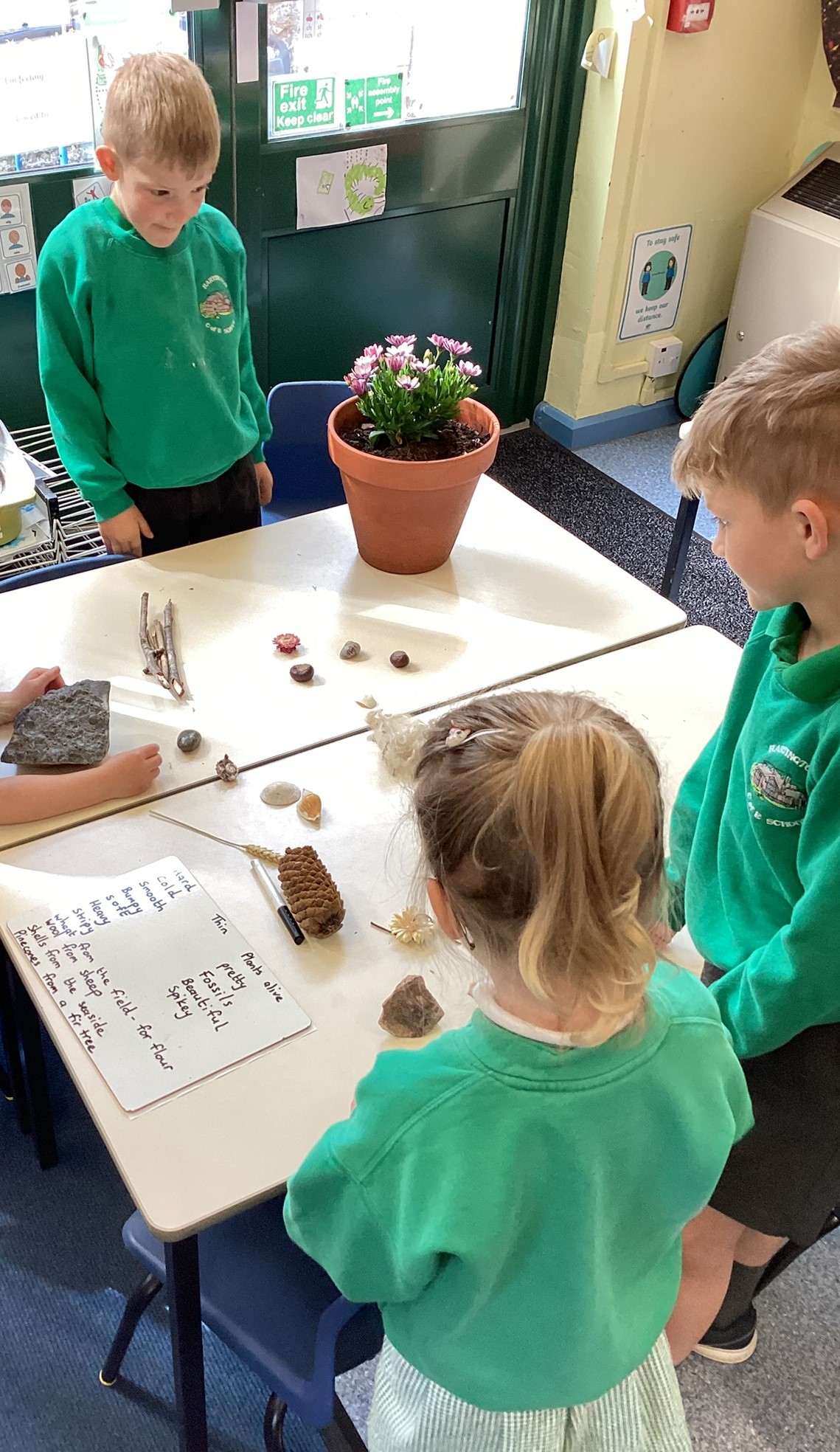
The reception children had the opportunity to explore the discovery table where there were a selection of natural items for them to see, touch and smell. From this they created a word bank of the different properties they thought the items had.
We listened to the story of creation from the Bible and then listened to the Jewish story of creation. We created our own images to retell the story and answered the questions ‘What do you find most amazing, mysterious, wow or beautiful from nature?’ and ‘Why do you think Christians and Jewish people thank God for the earth and all it’s creatures?’
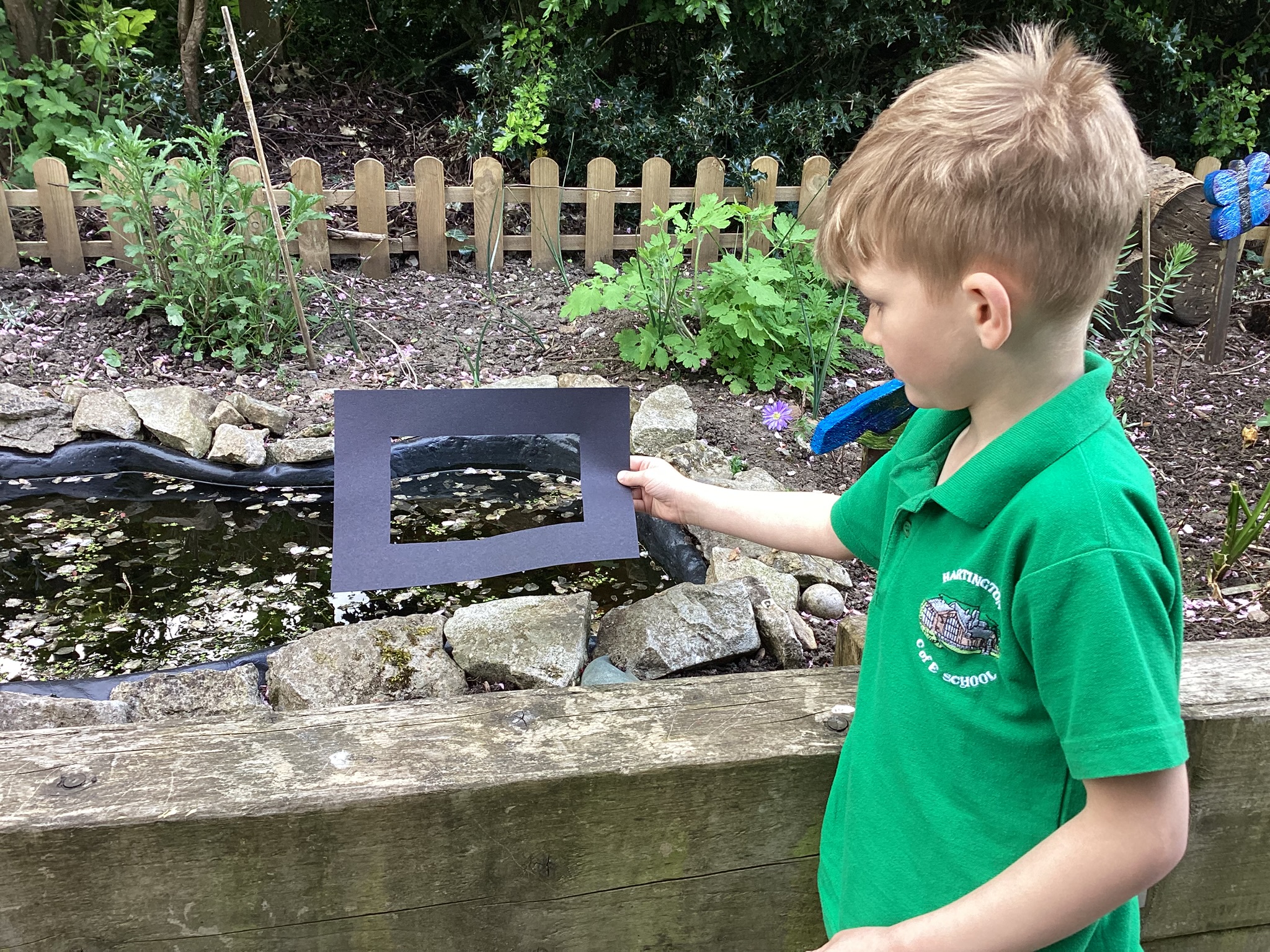
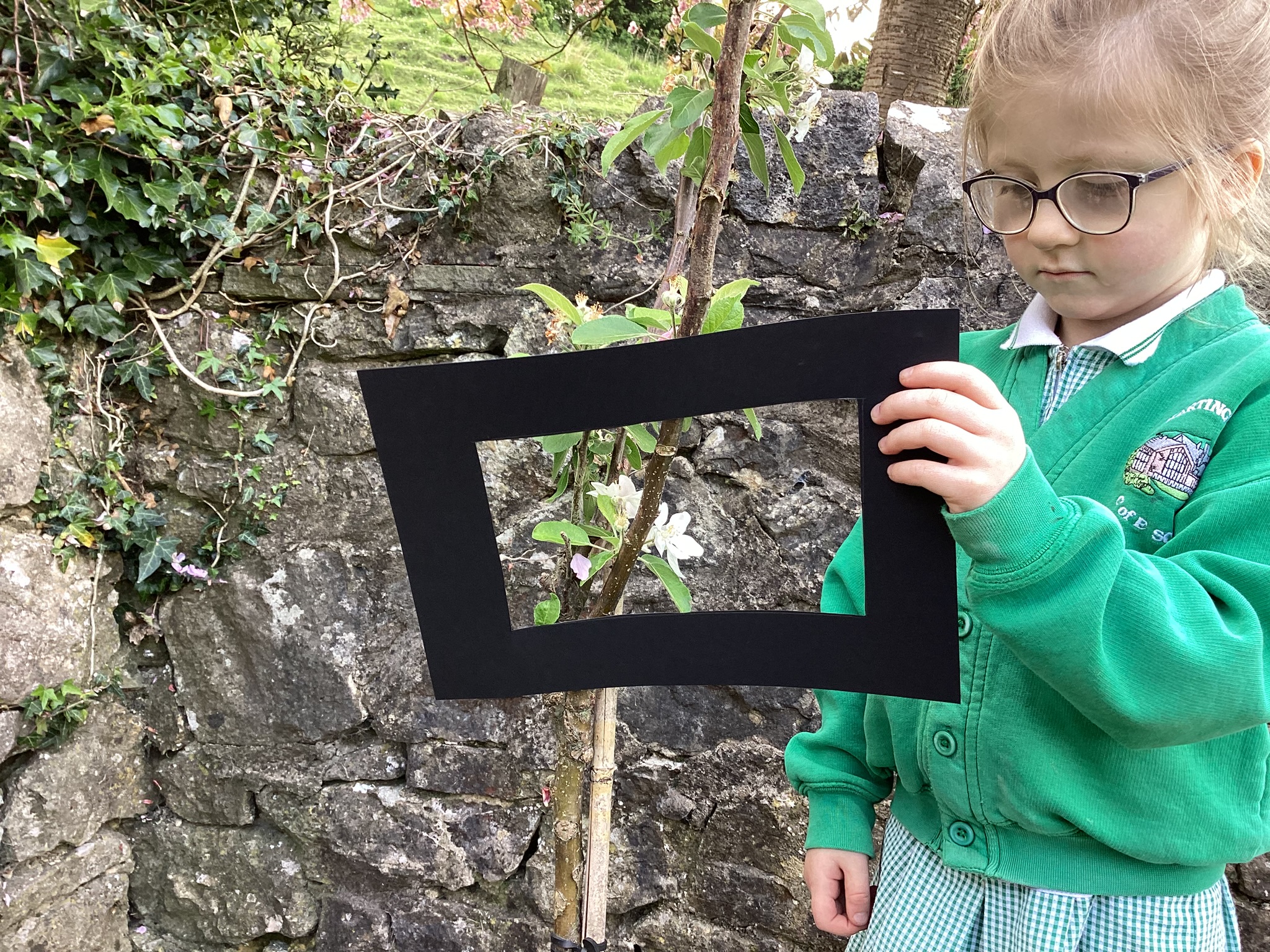
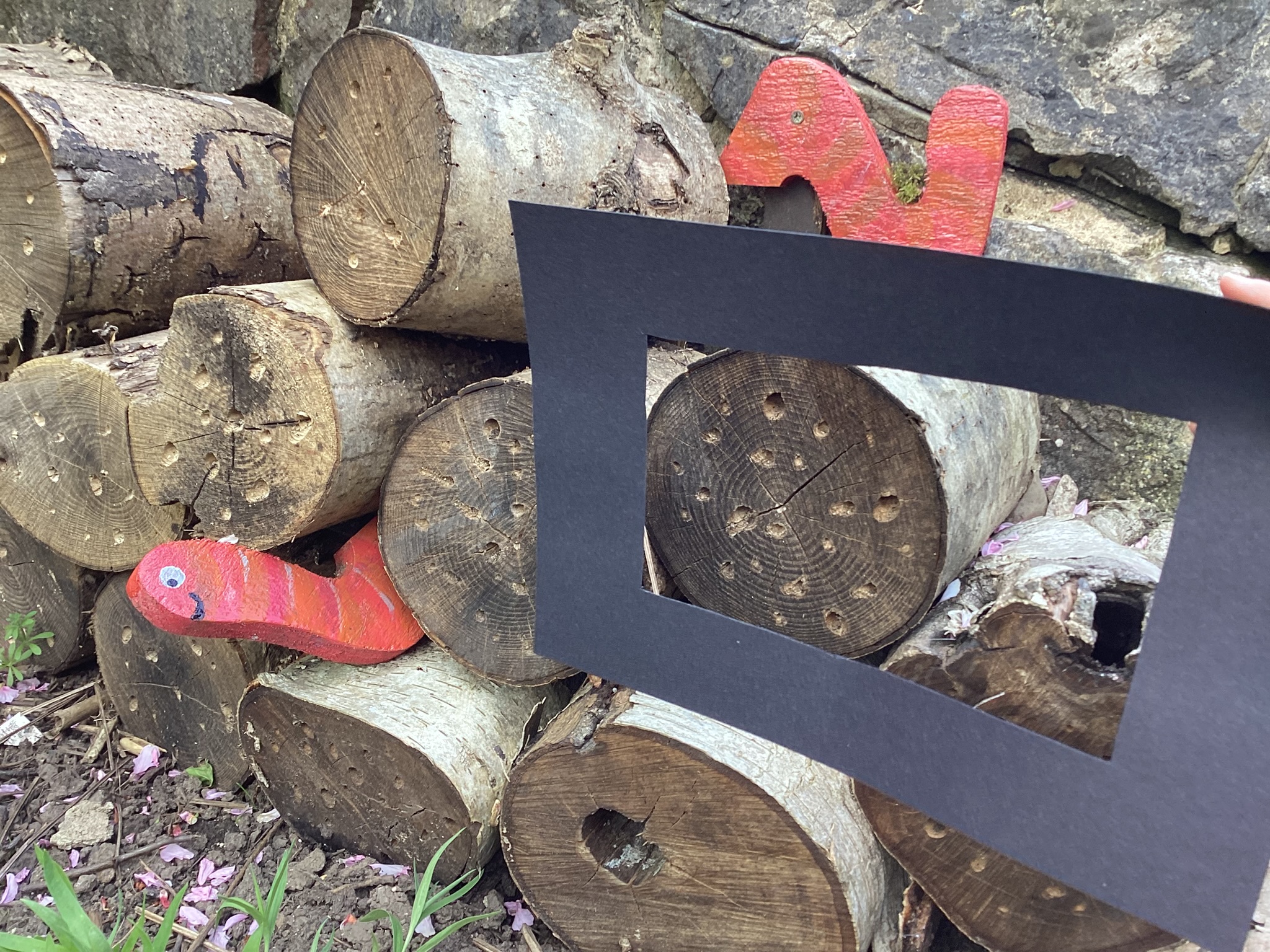
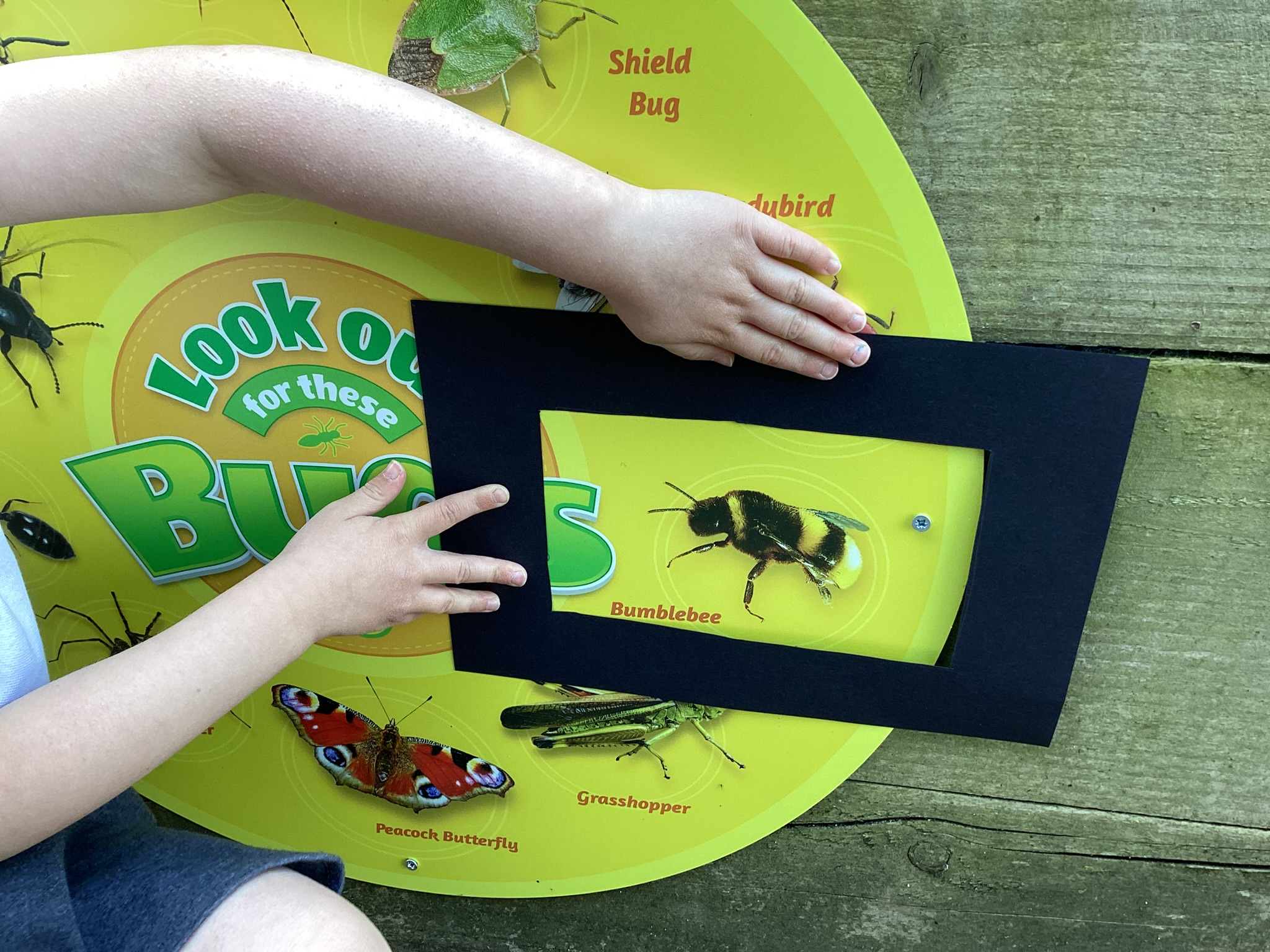
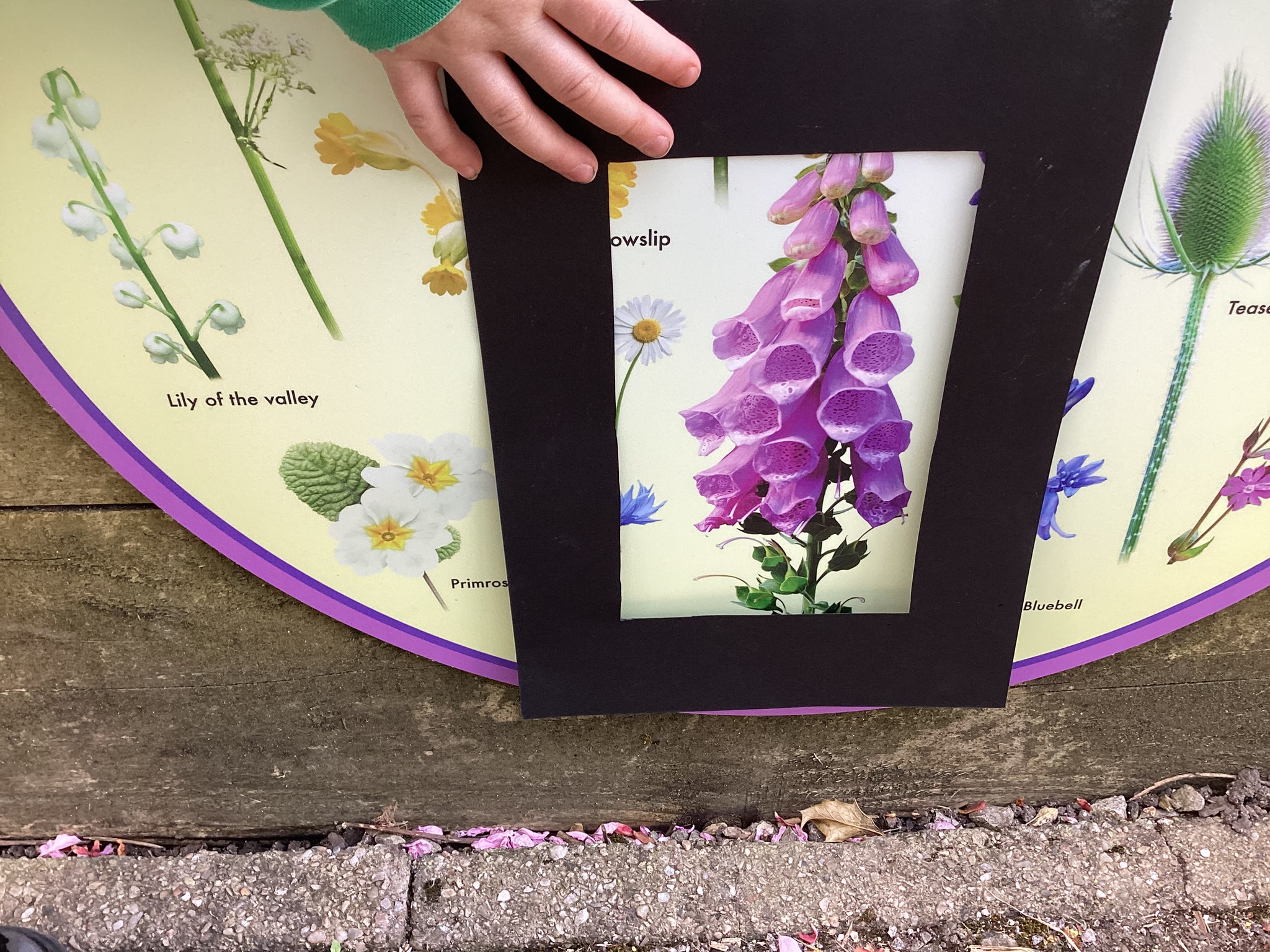
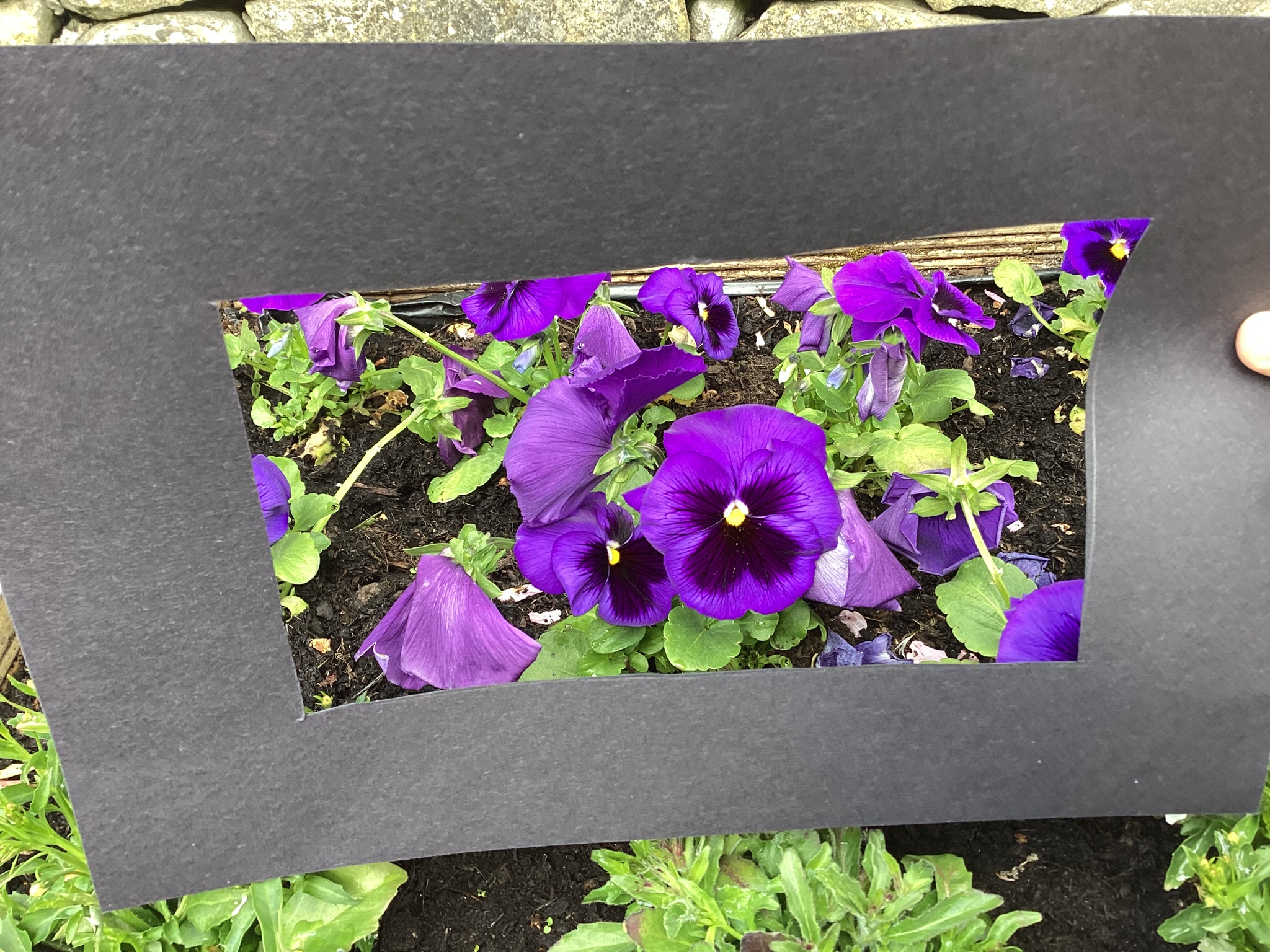
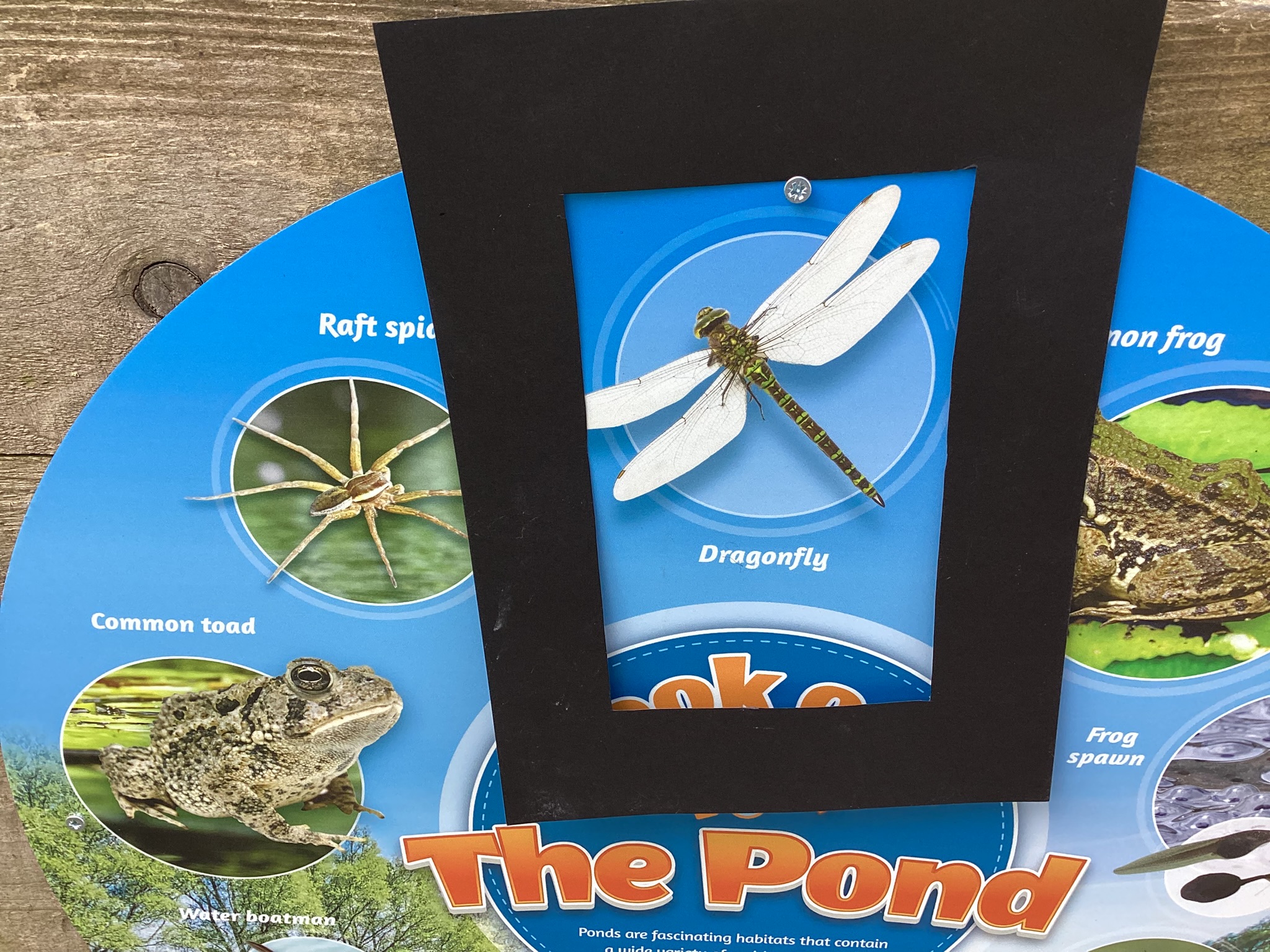
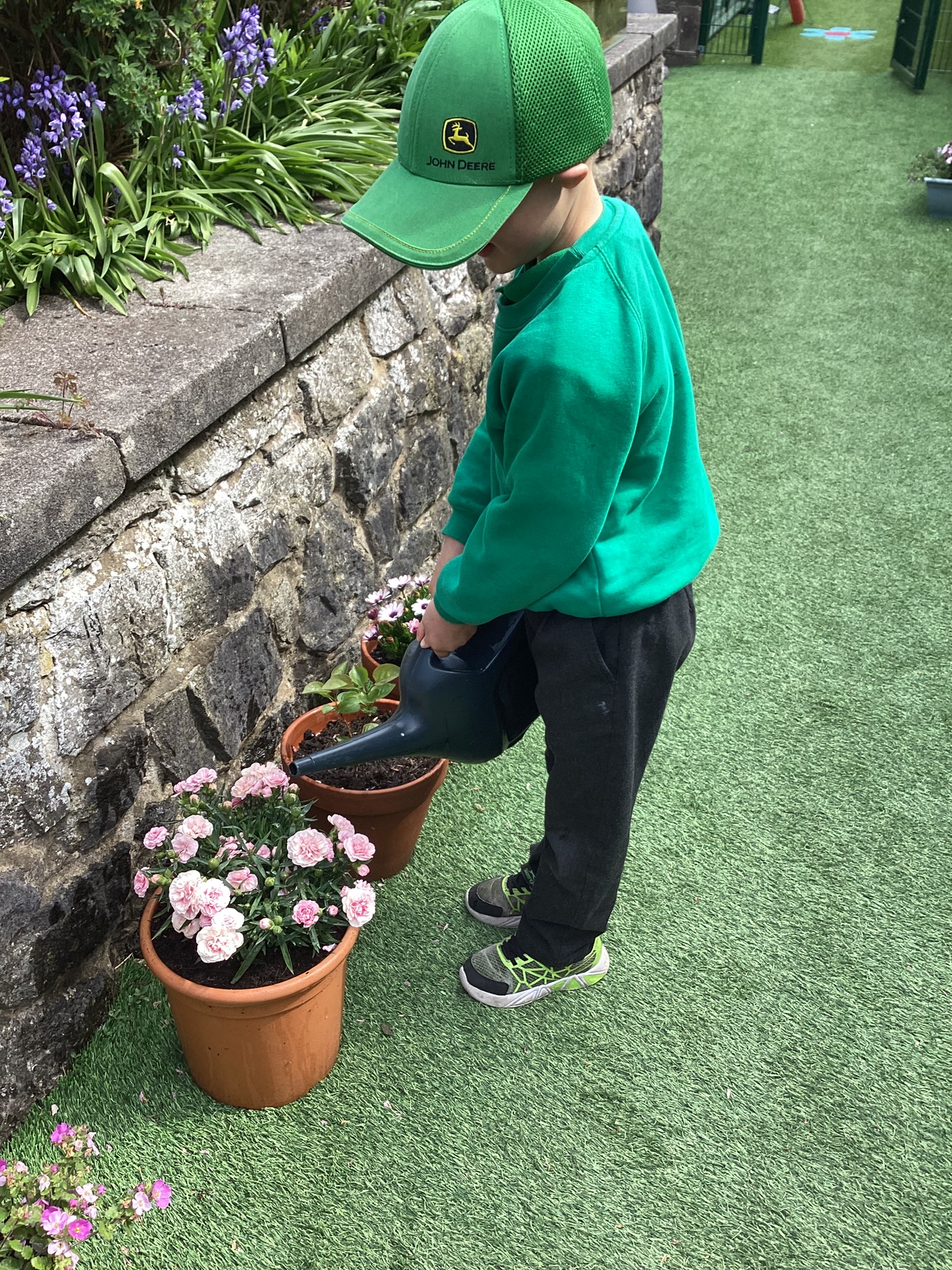
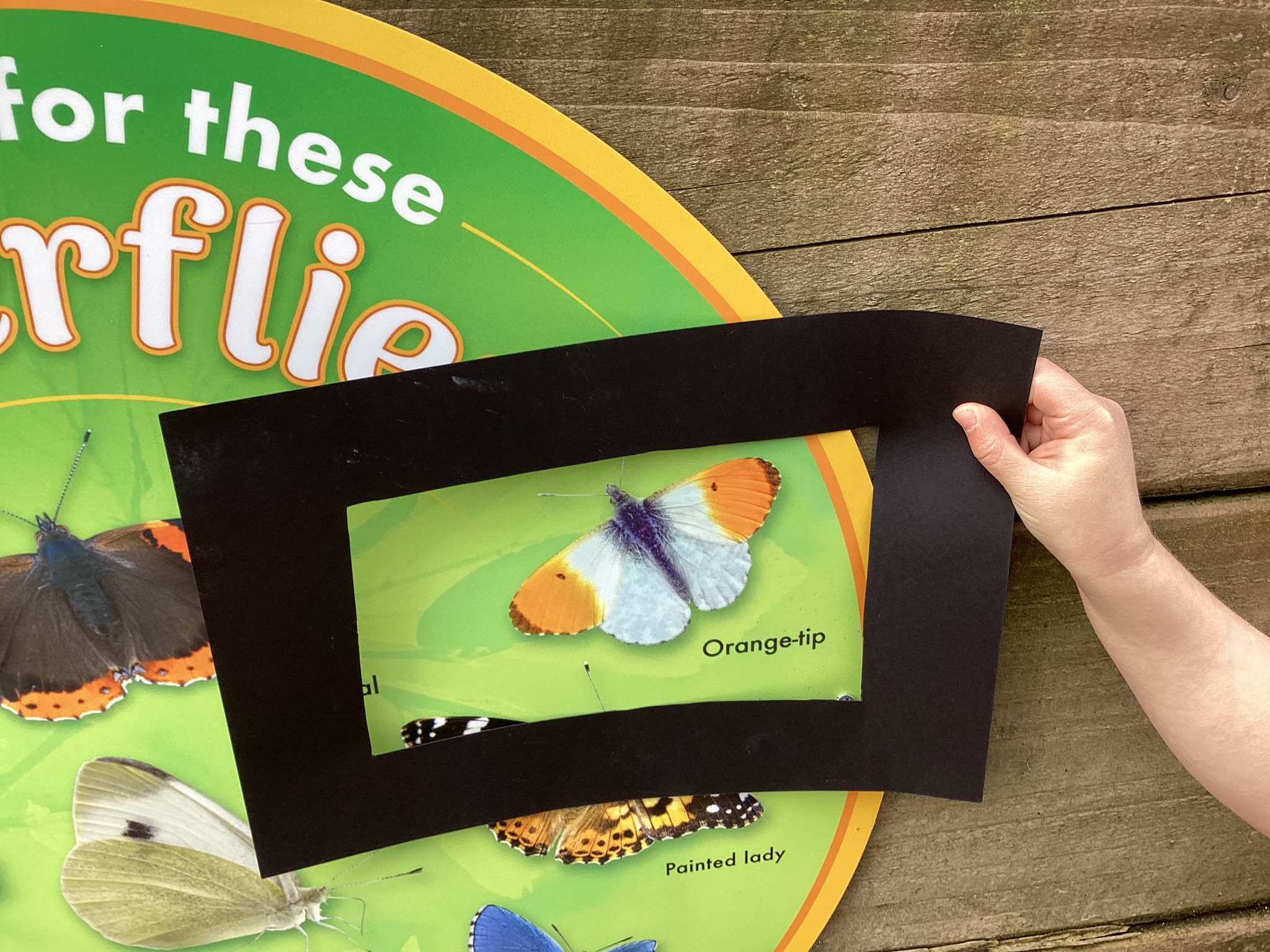
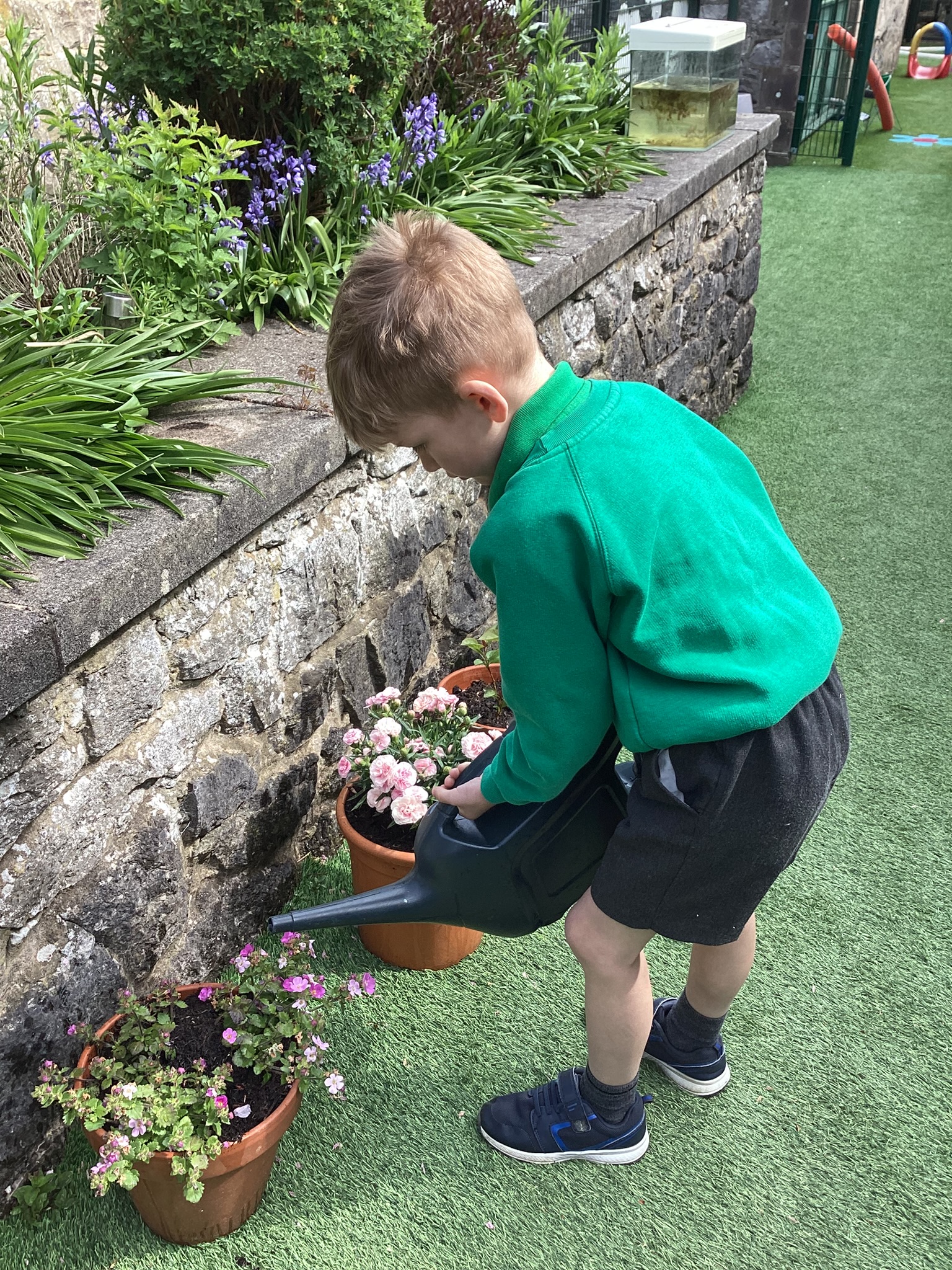
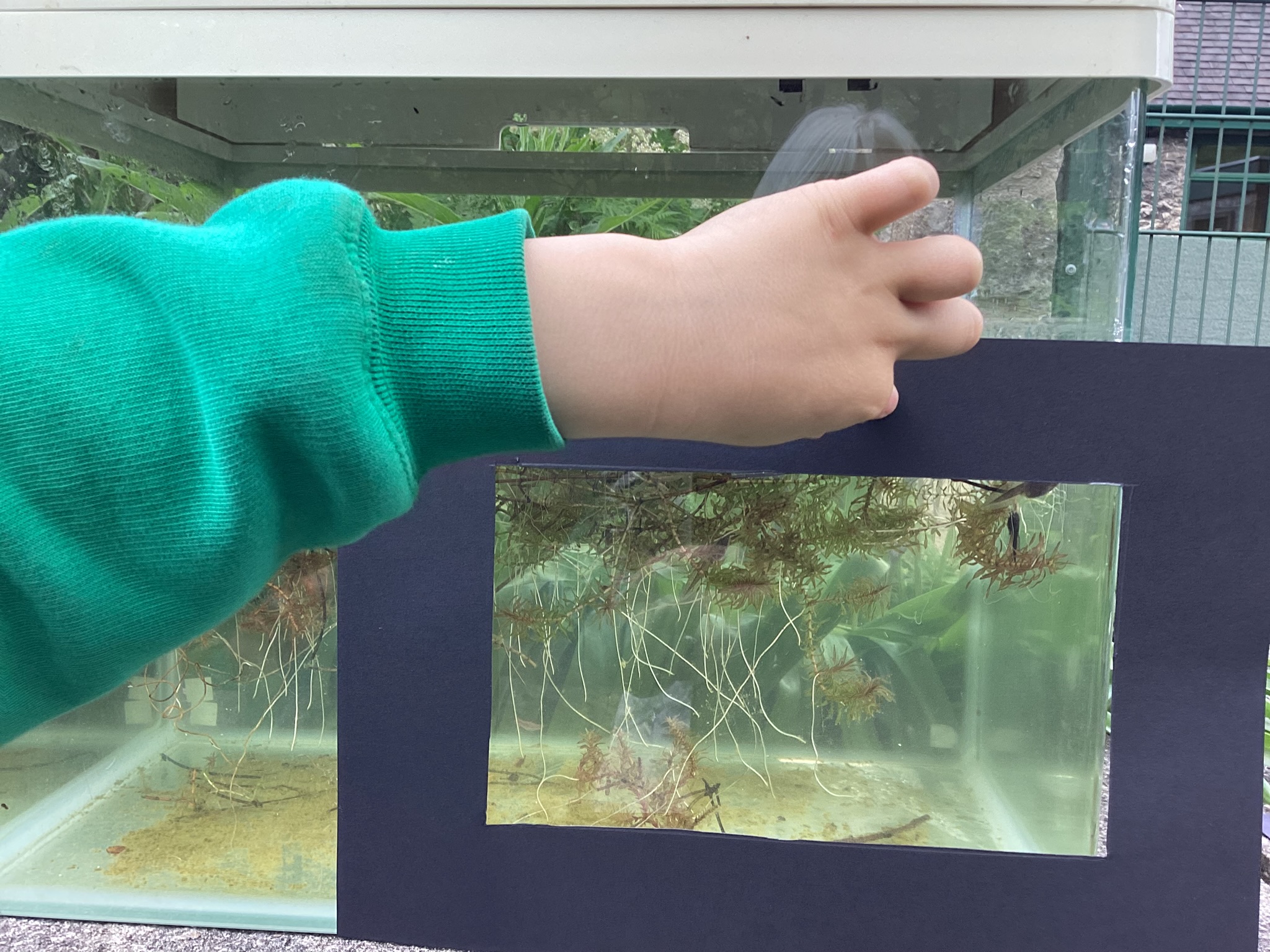
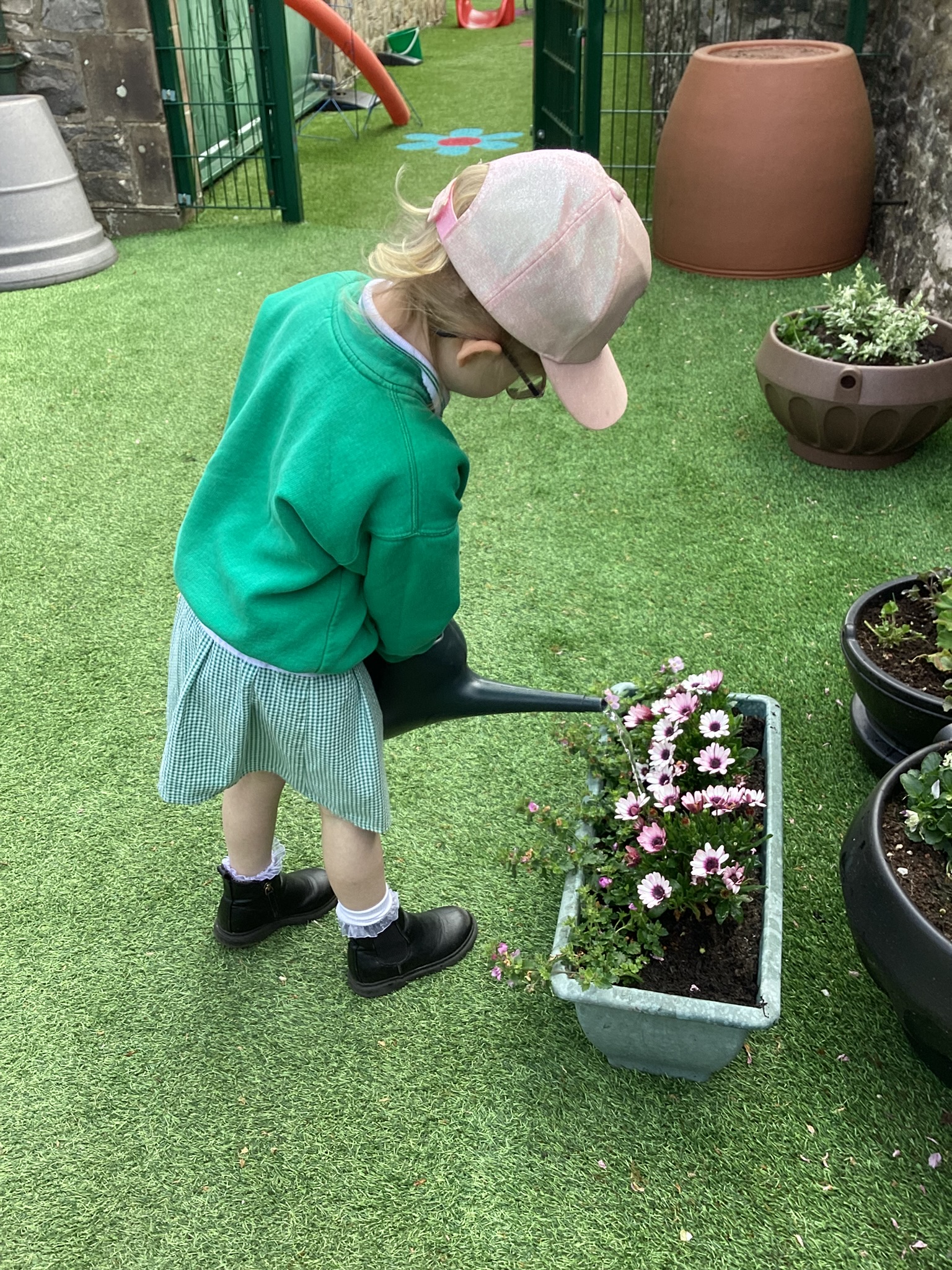
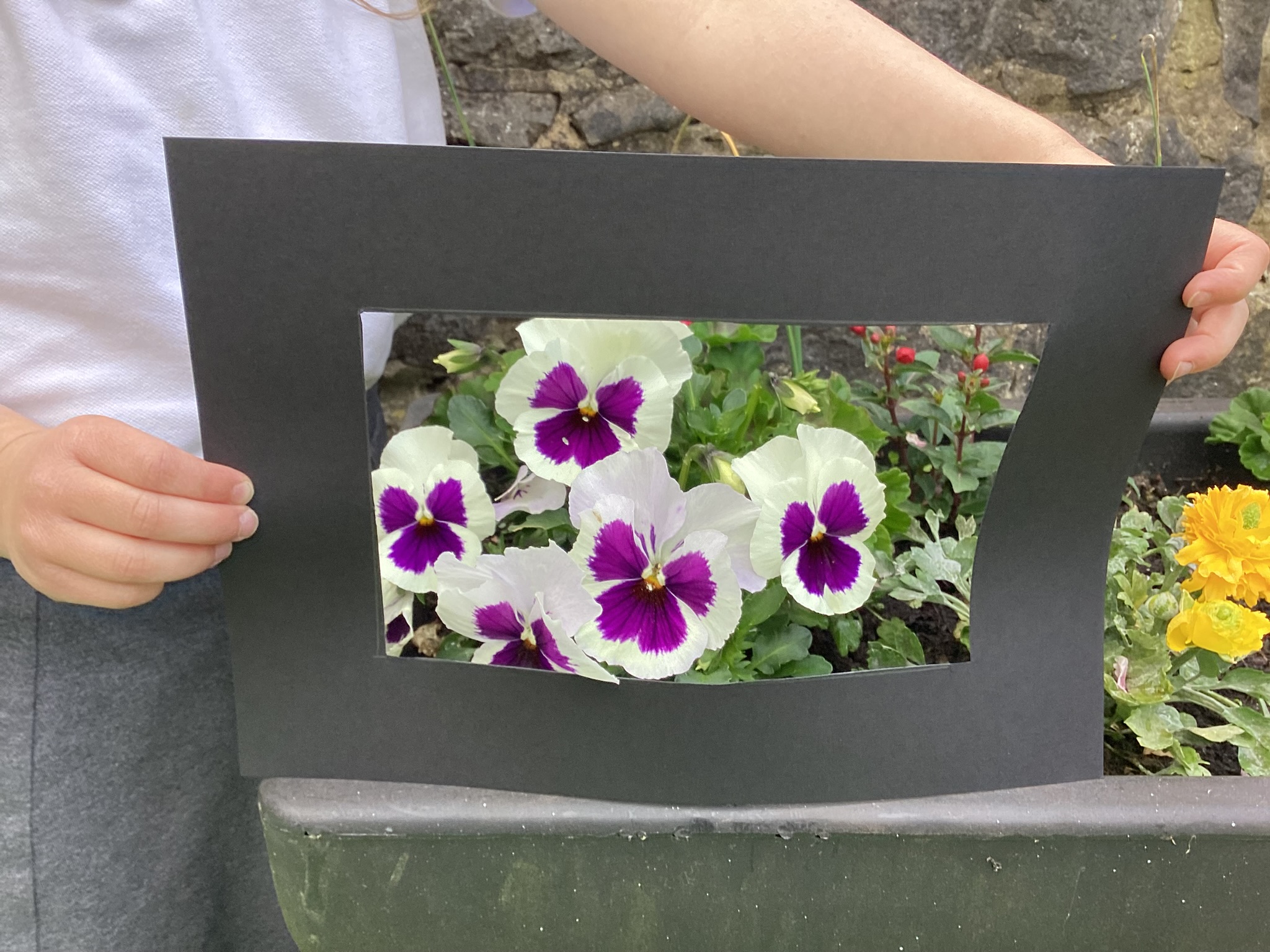
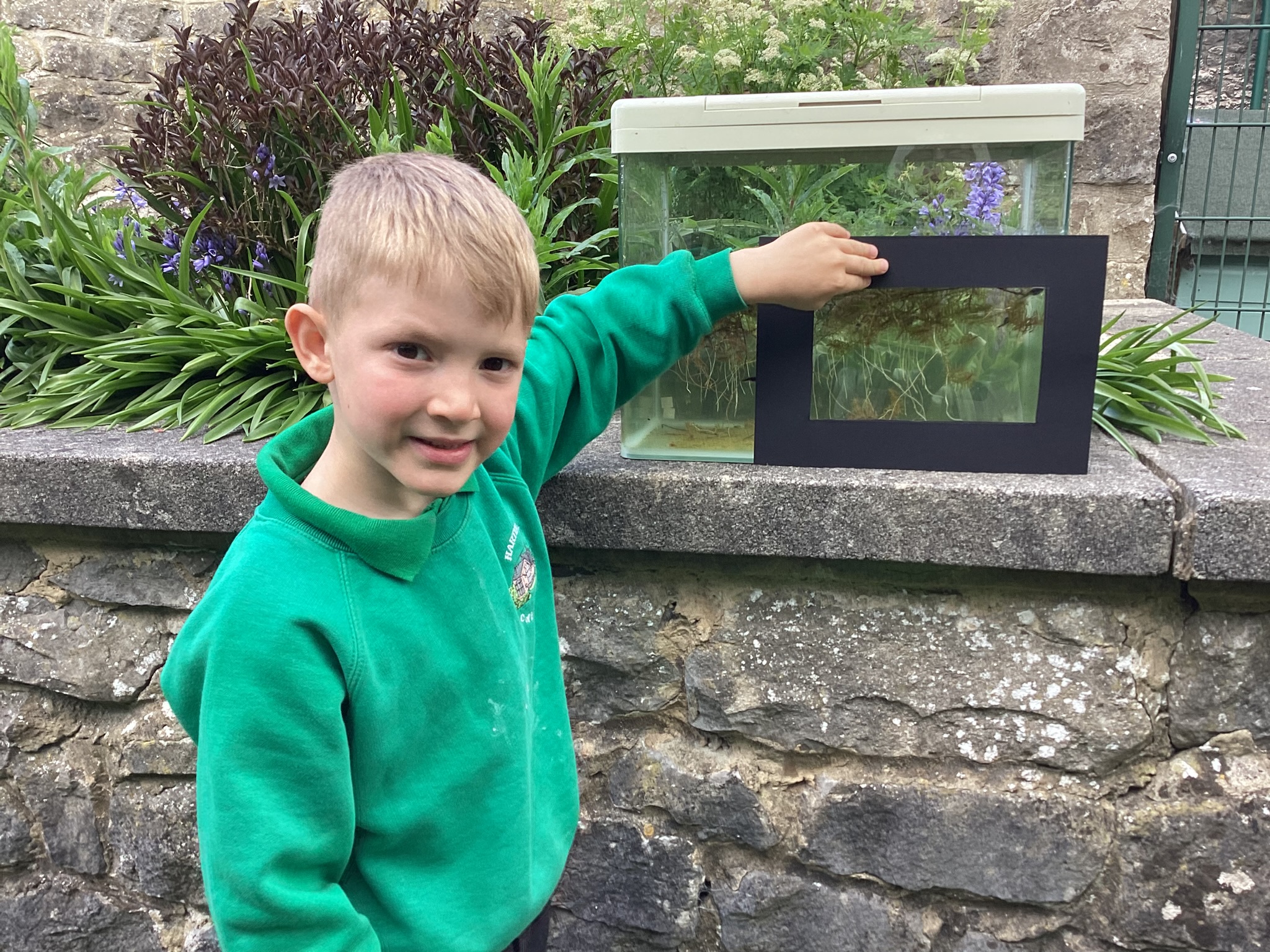
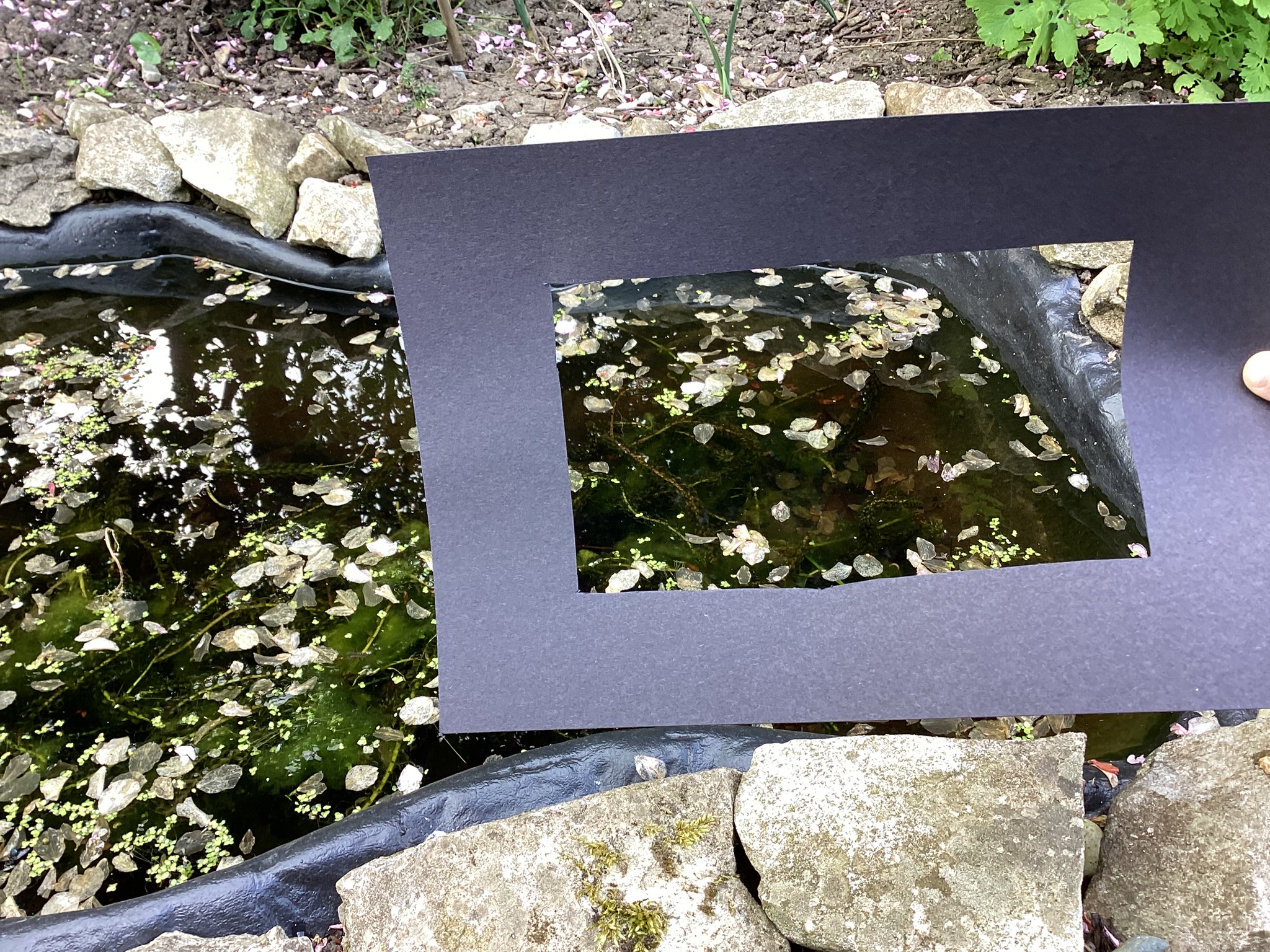
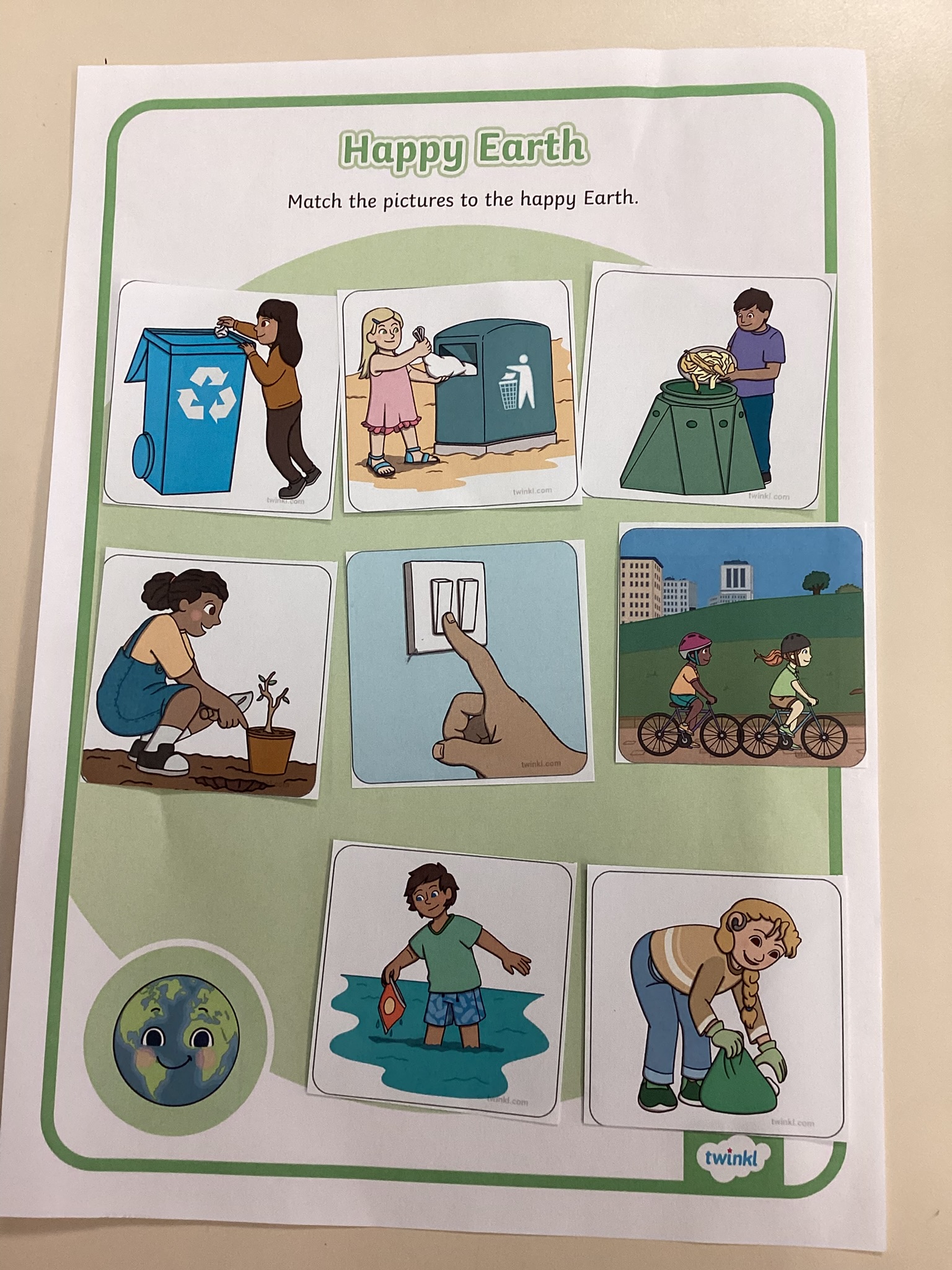
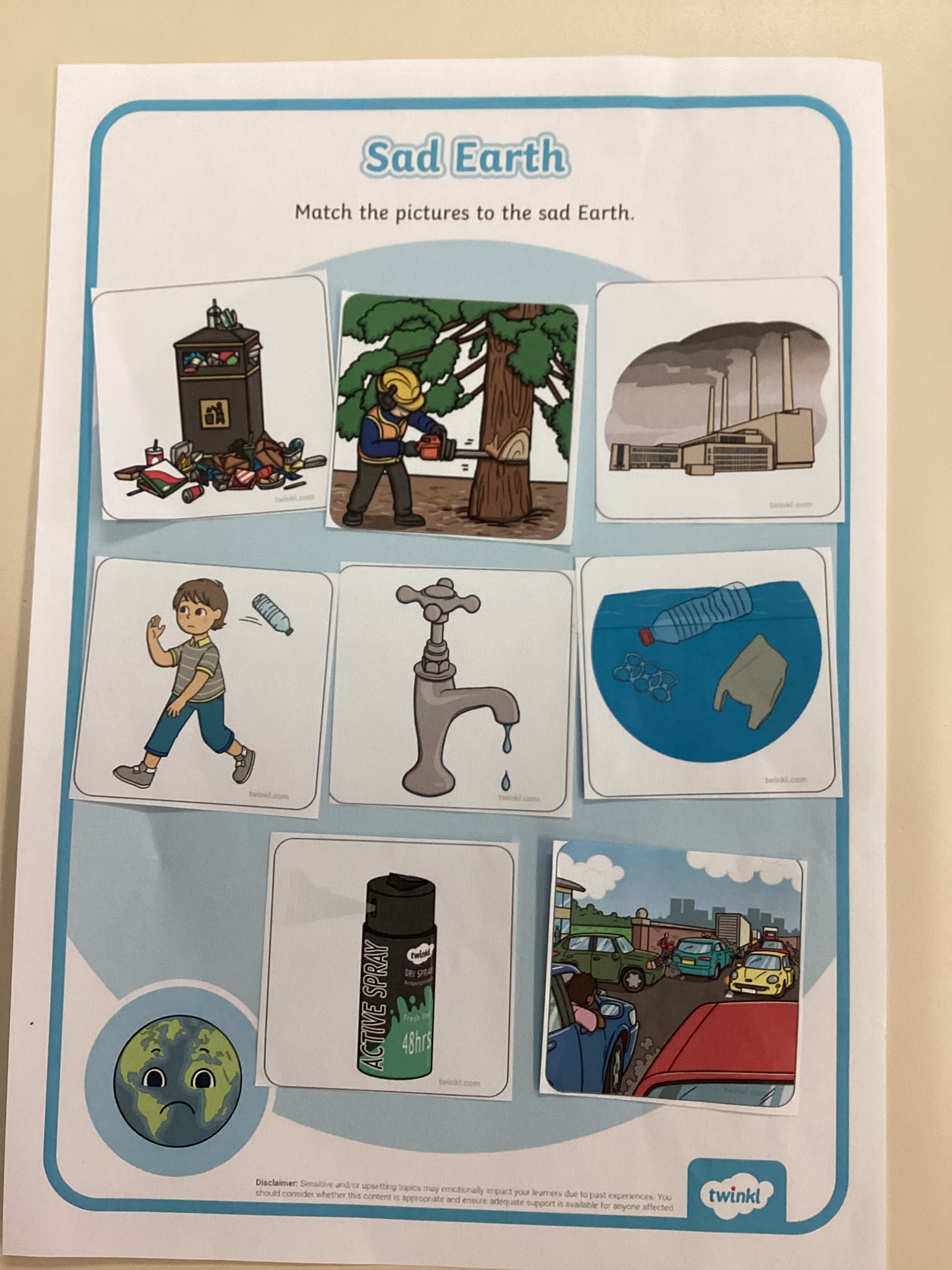
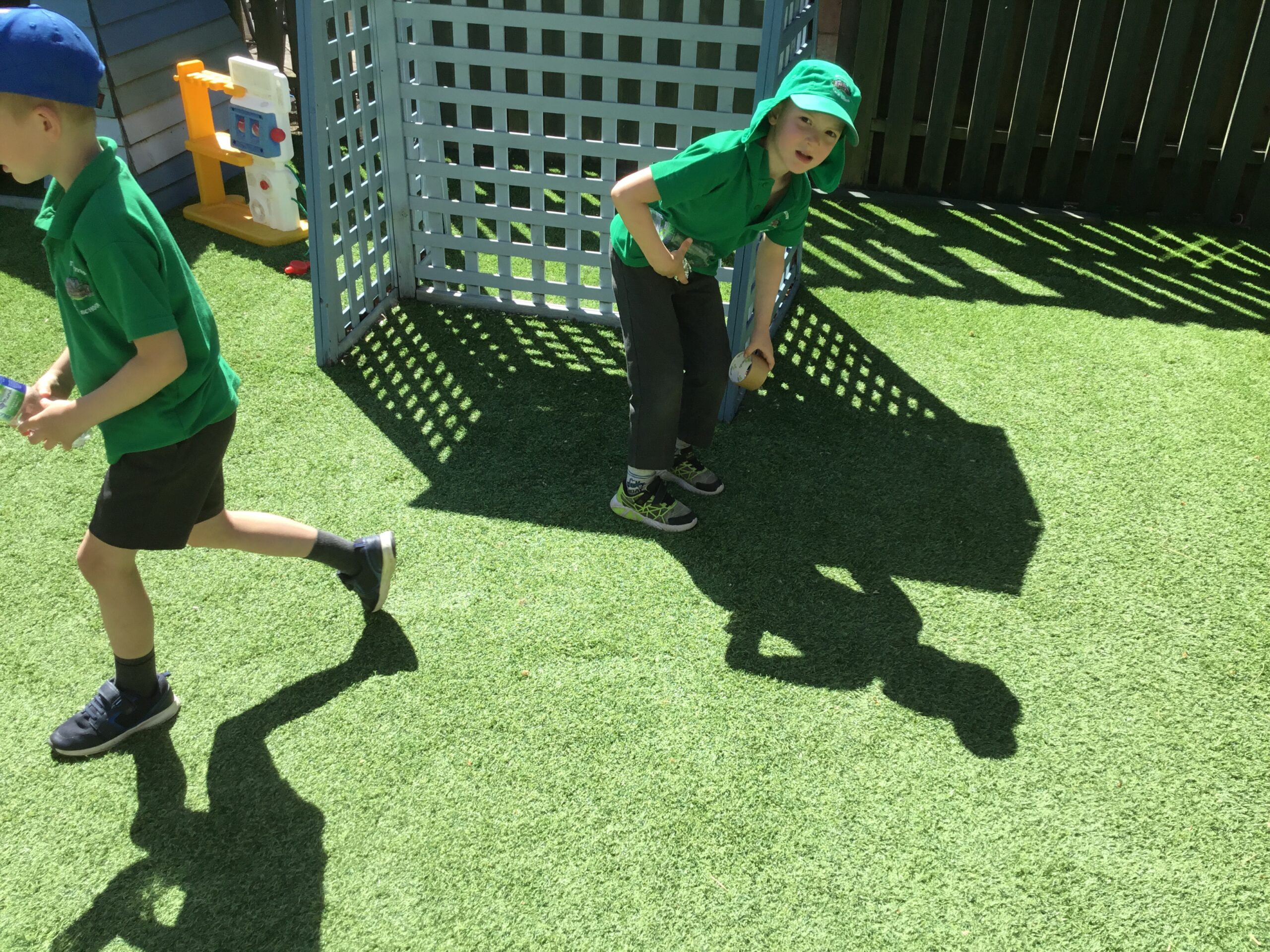
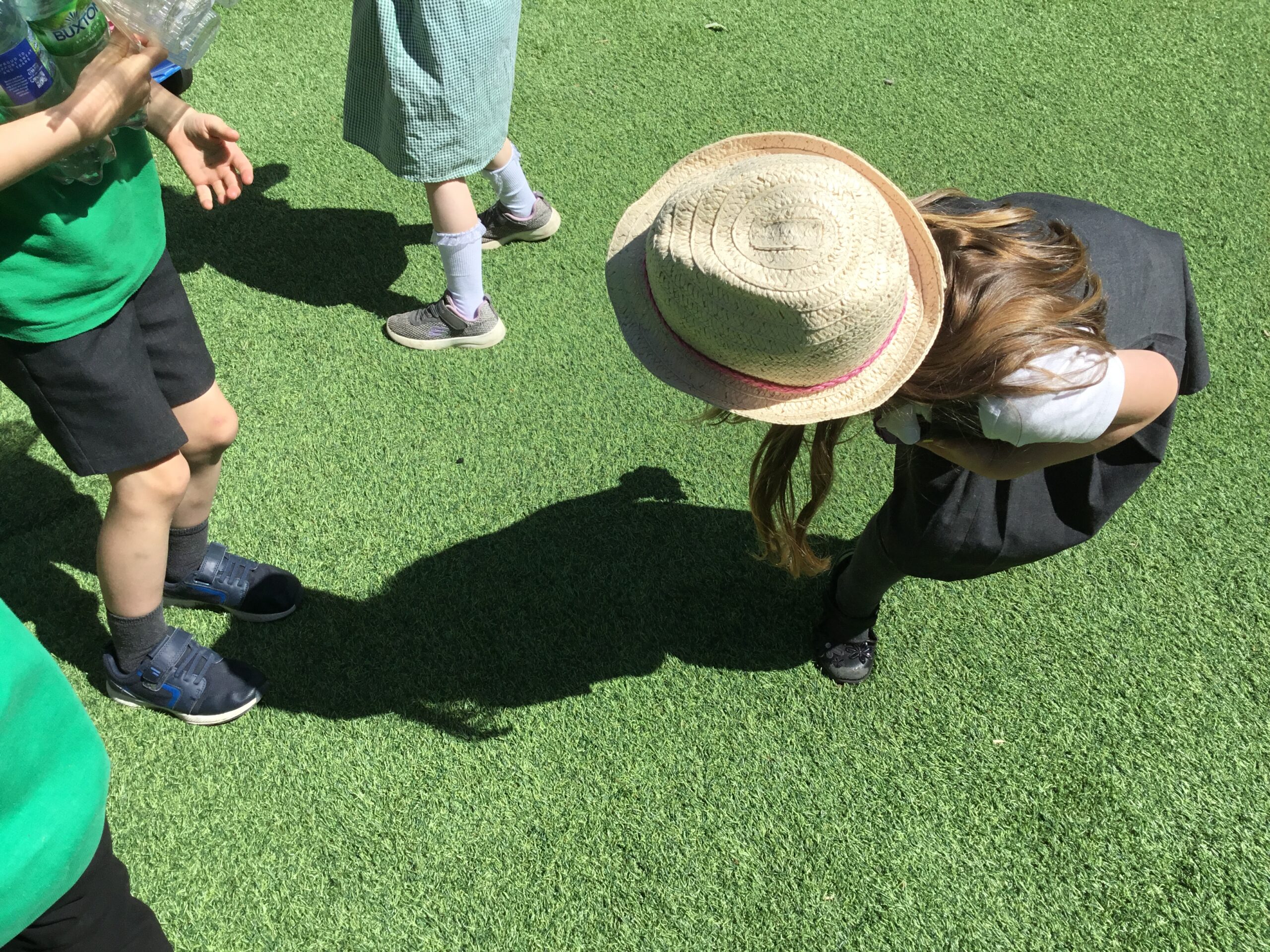
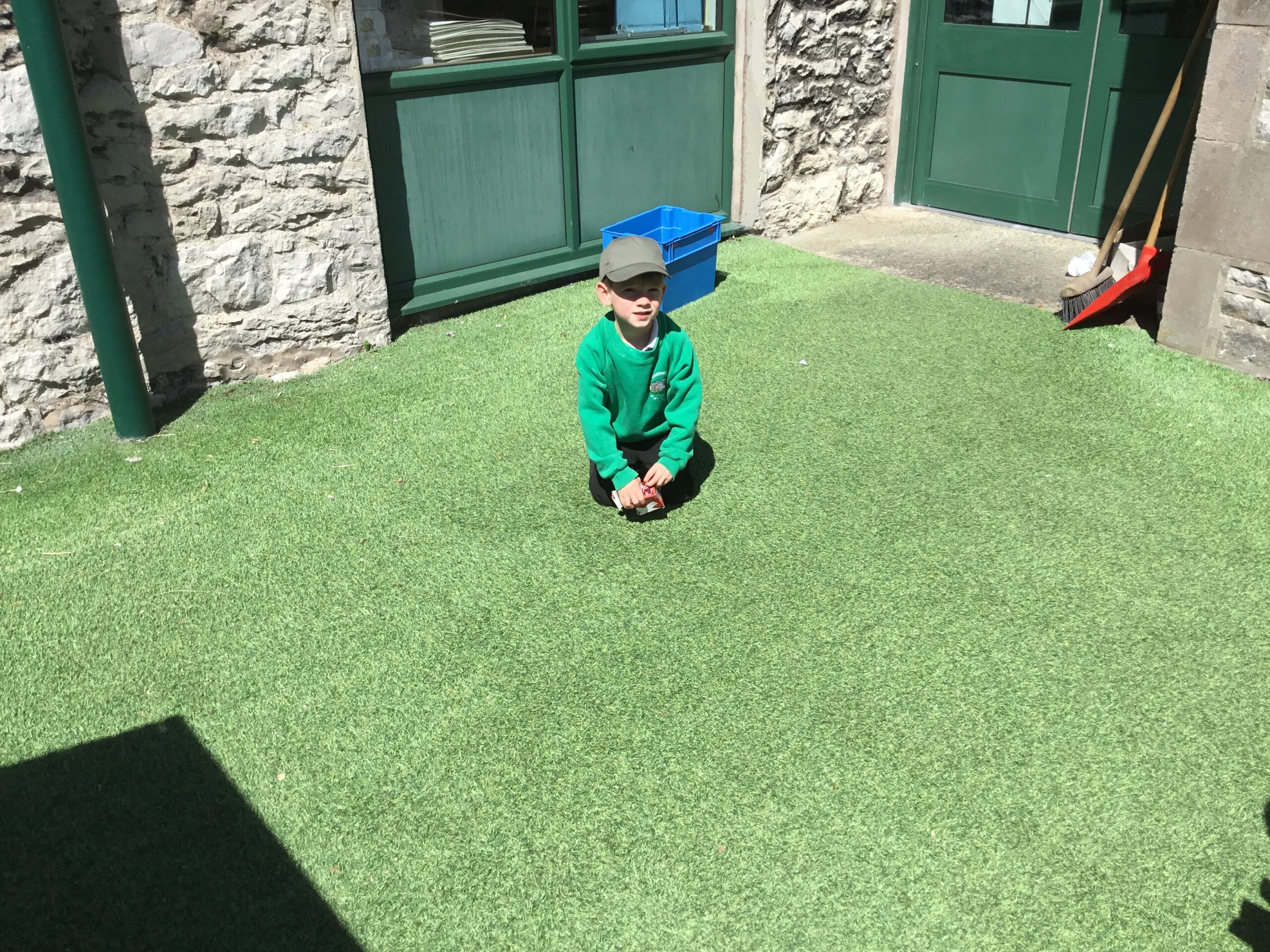
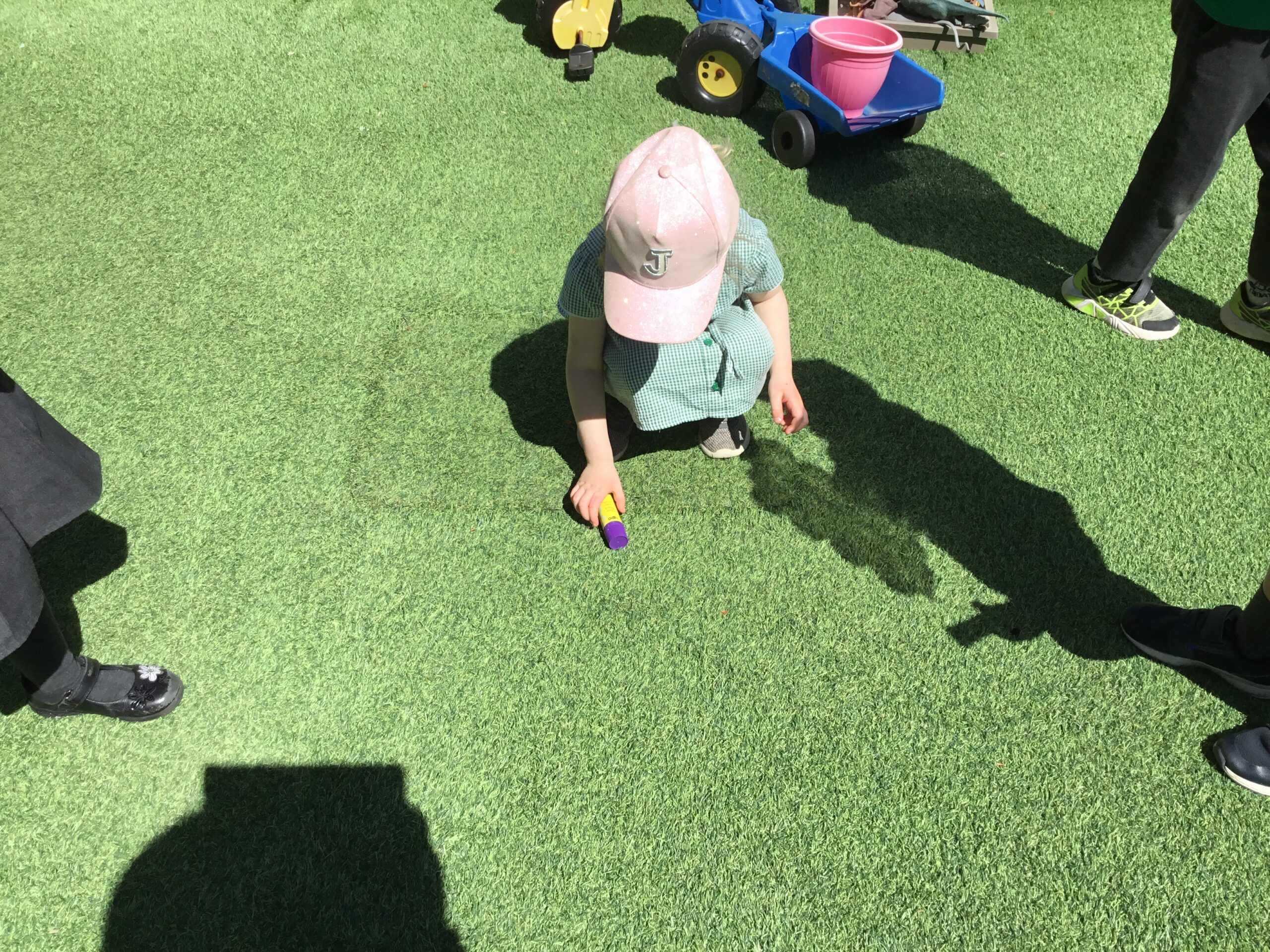
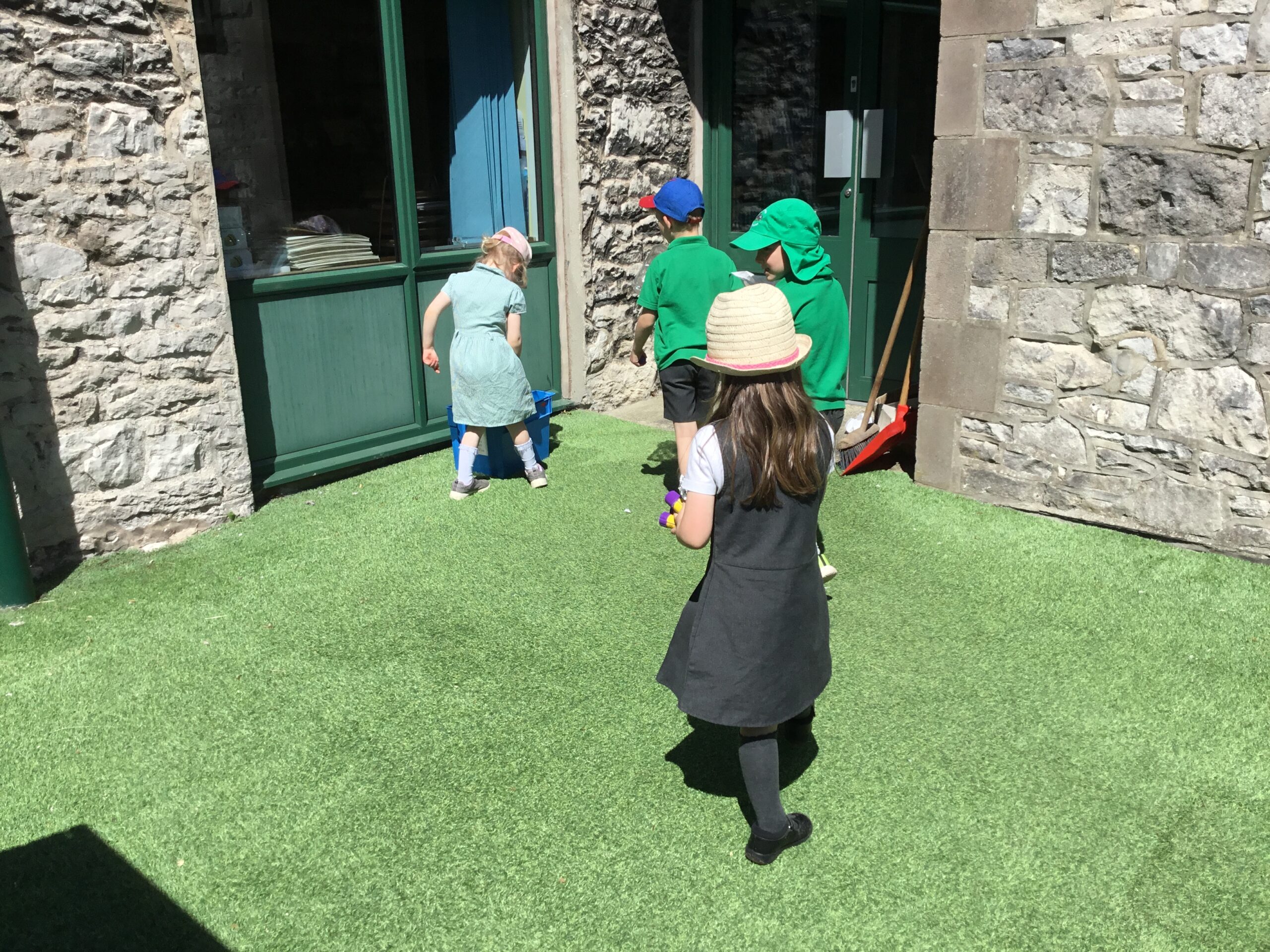
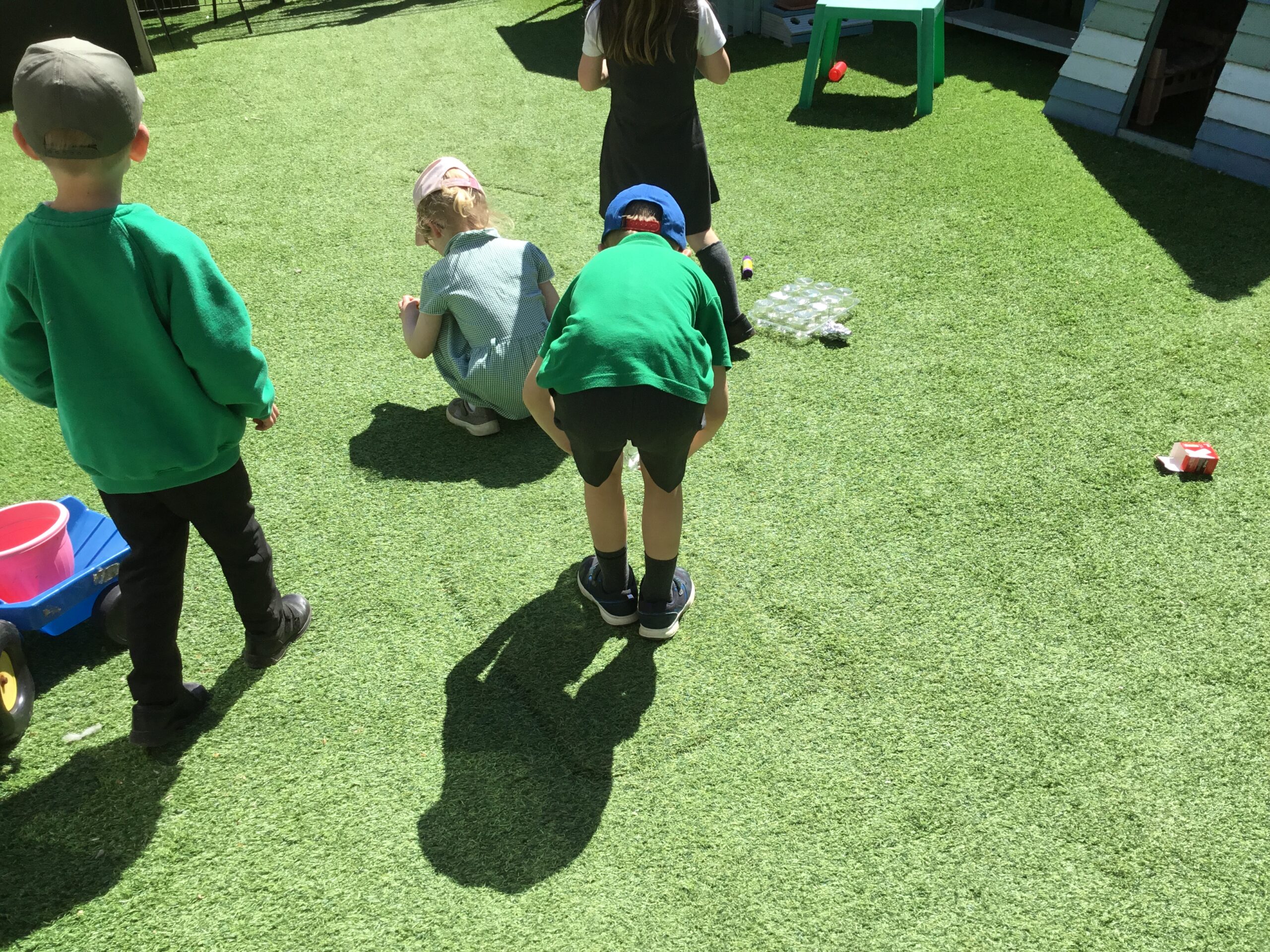
In thinking about looking after our wonderful world the reception children took their view finders outside to find things they found interesting, puzzling or wonderful in the natural world. They found flowers, tadpoles, the pond and insect hotel. This extended to think about things that make the world happy and what makes it sad and how we can look after the world.
Year 1 and 2 children thought about ‘If God does exist and He looked at the world now, would He still feel happy?’ Some ideas that were shared included ‘Yes, because people are beginning to protect the world.’ ‘No, because people have built towers and tall sky scrapers.’
This topic was concluded by thinking about someone who has put their religious beliefs into action to help the world and others within it. We used the example of Mother Theresa, learning who she was and the impact her religious beliefs had on her life and the actions she took.
Key Stage 1 & EYFS – Summer Term 2
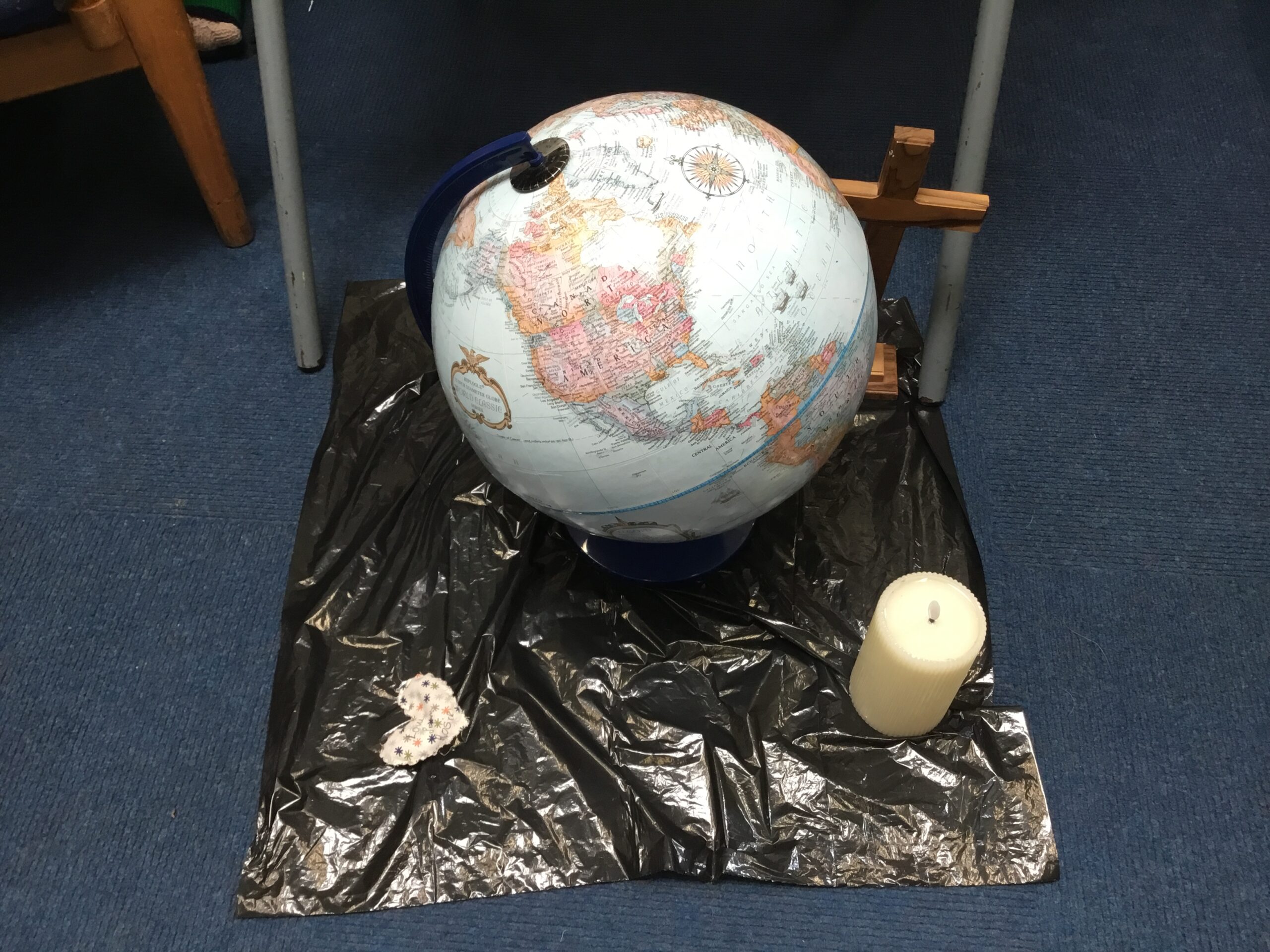
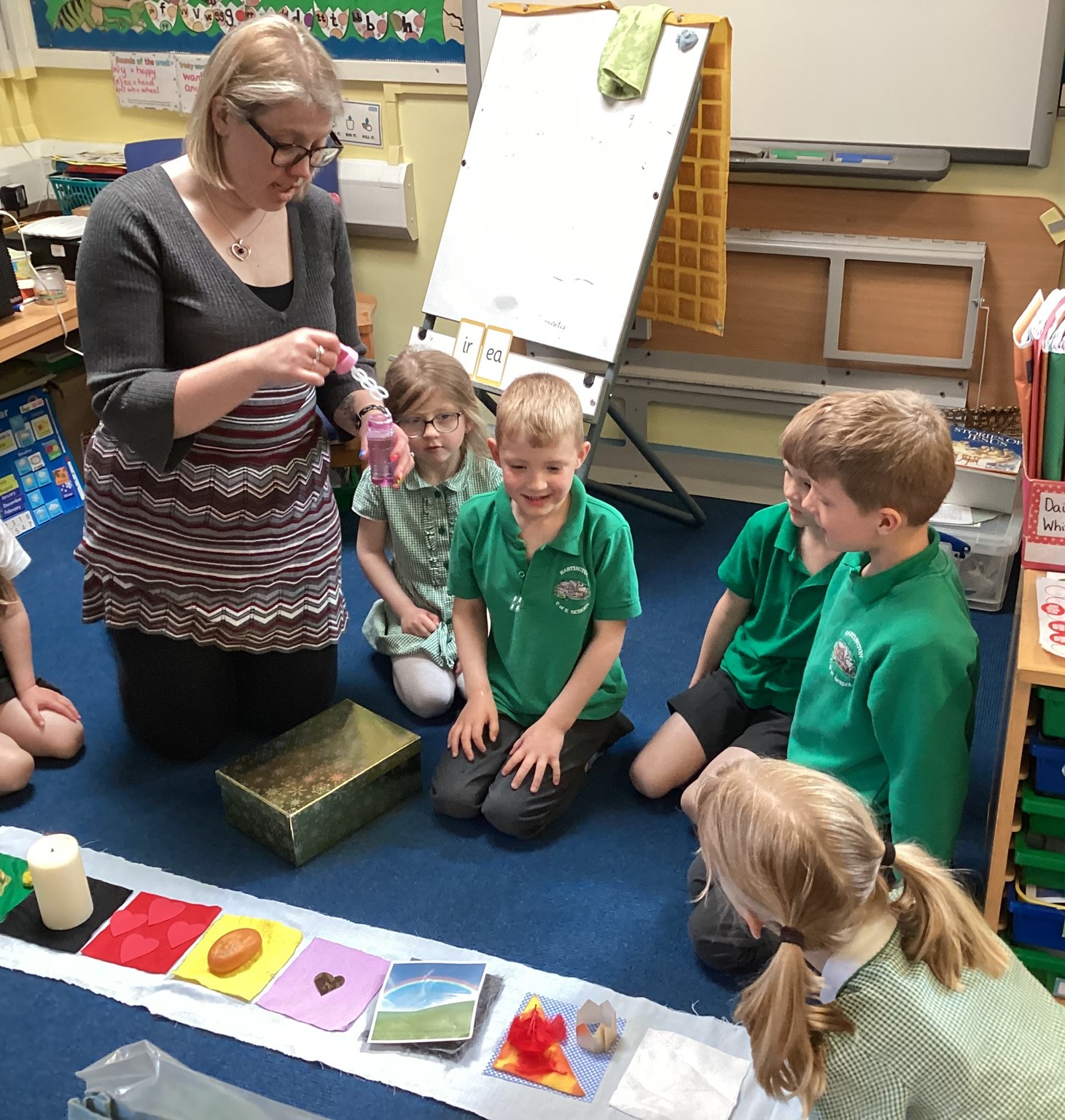
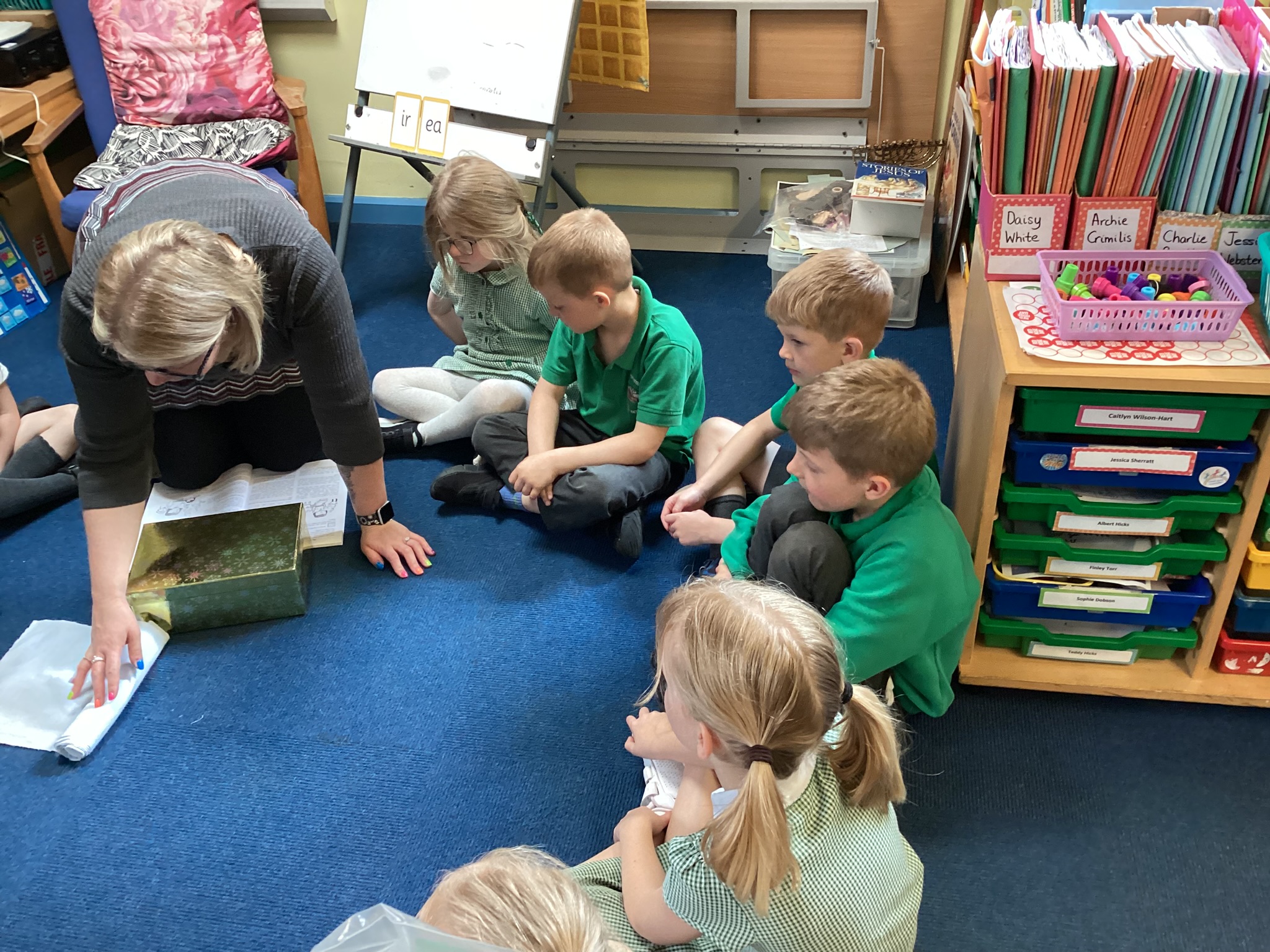
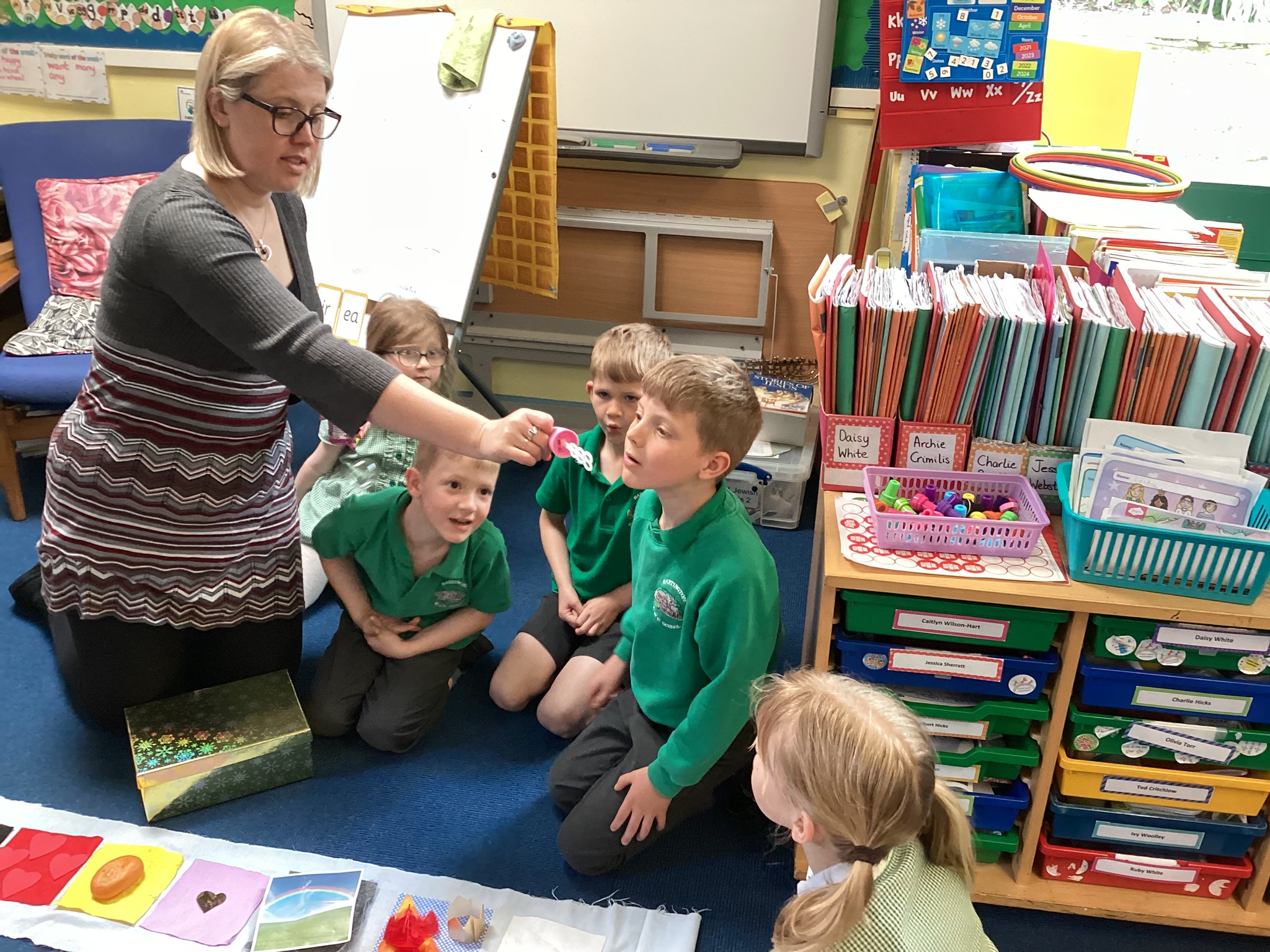
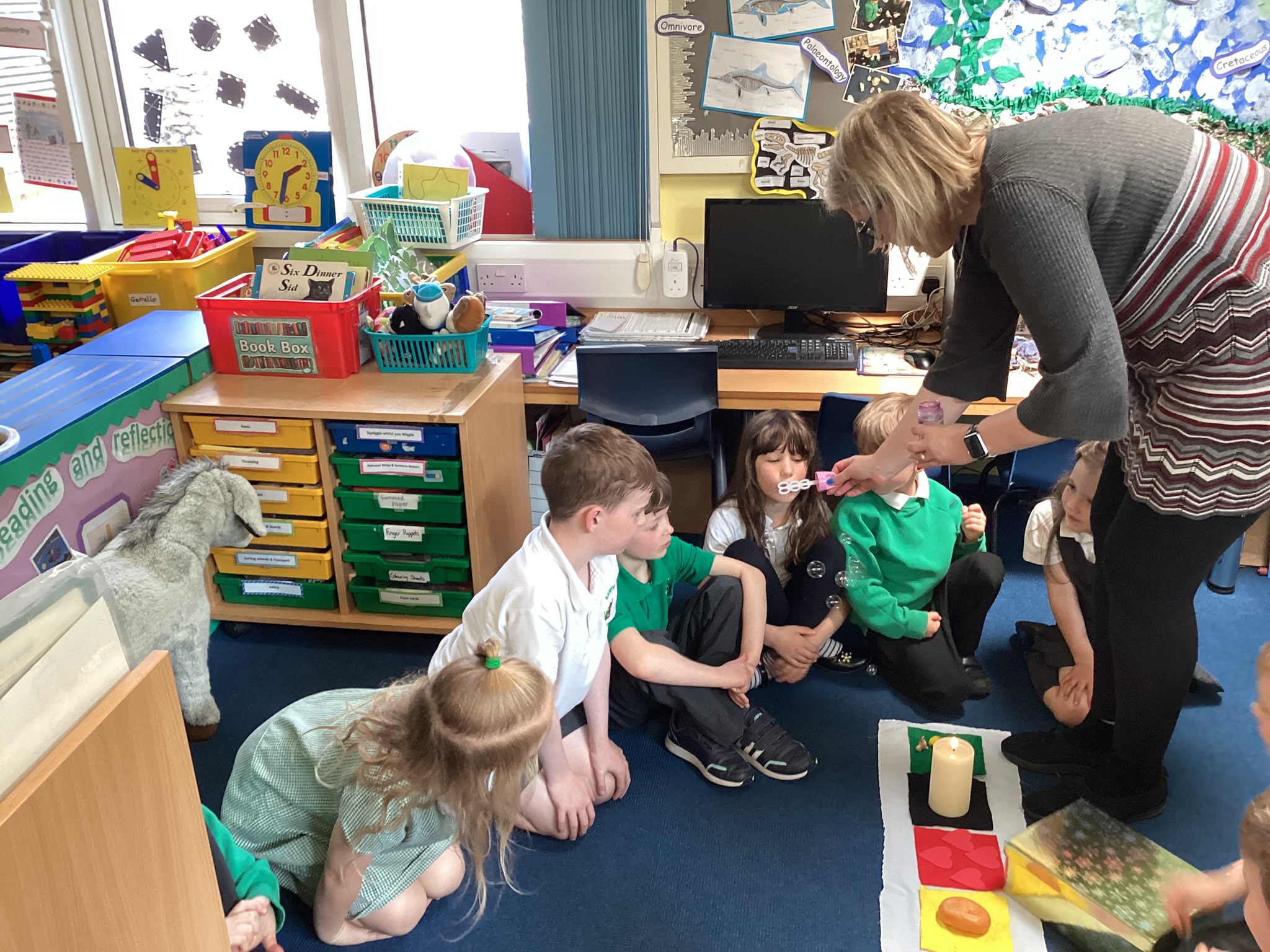
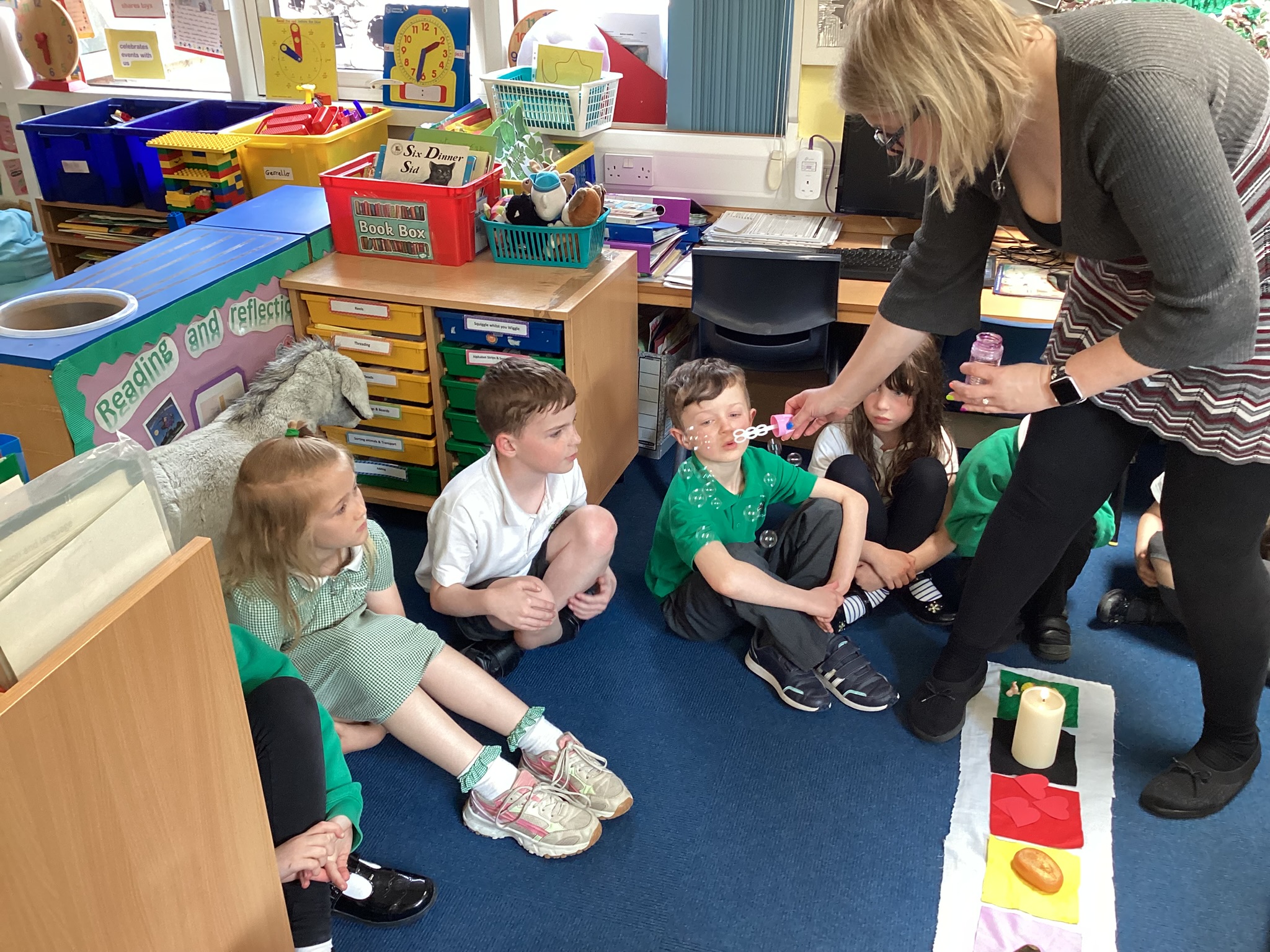
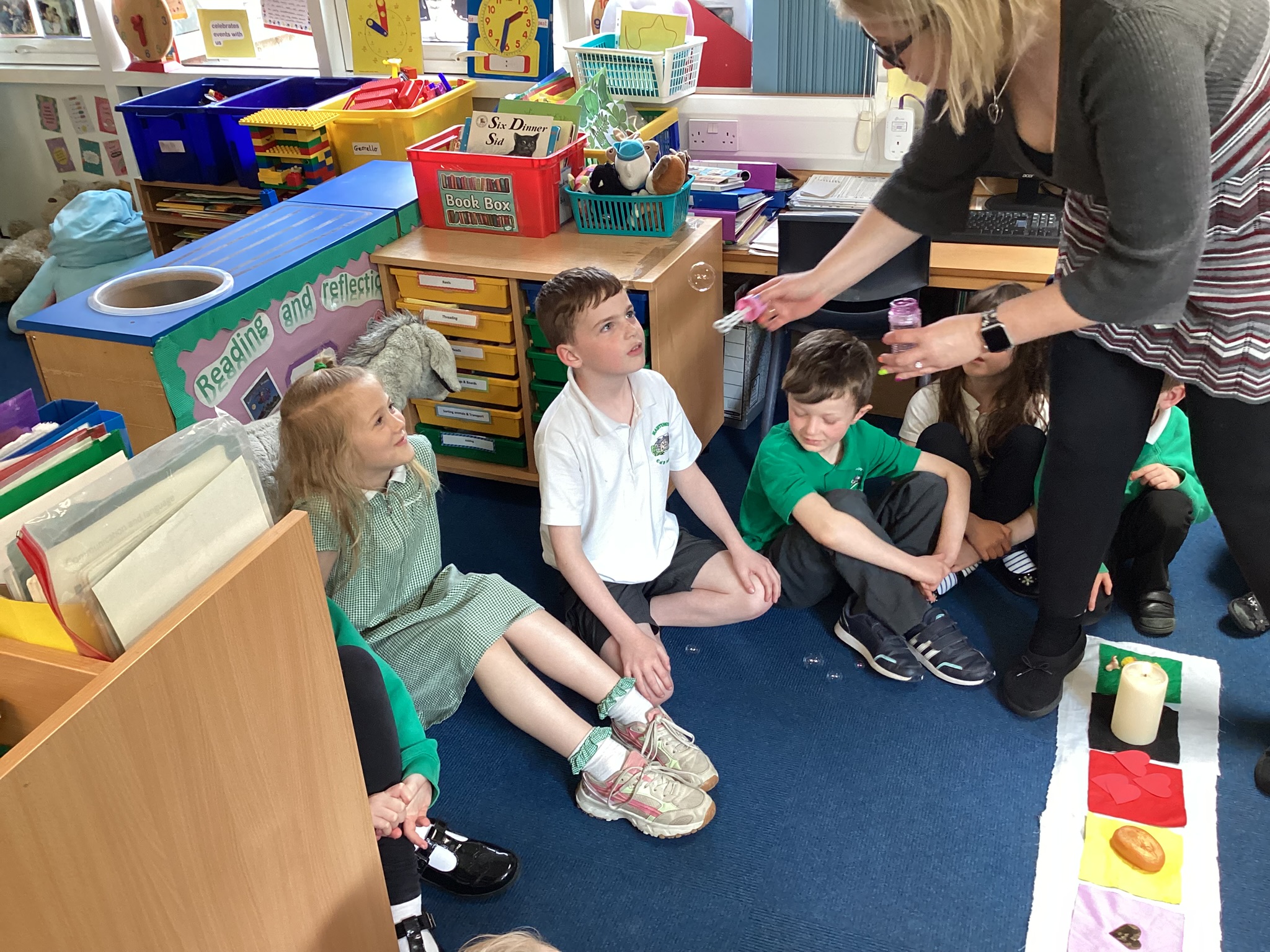
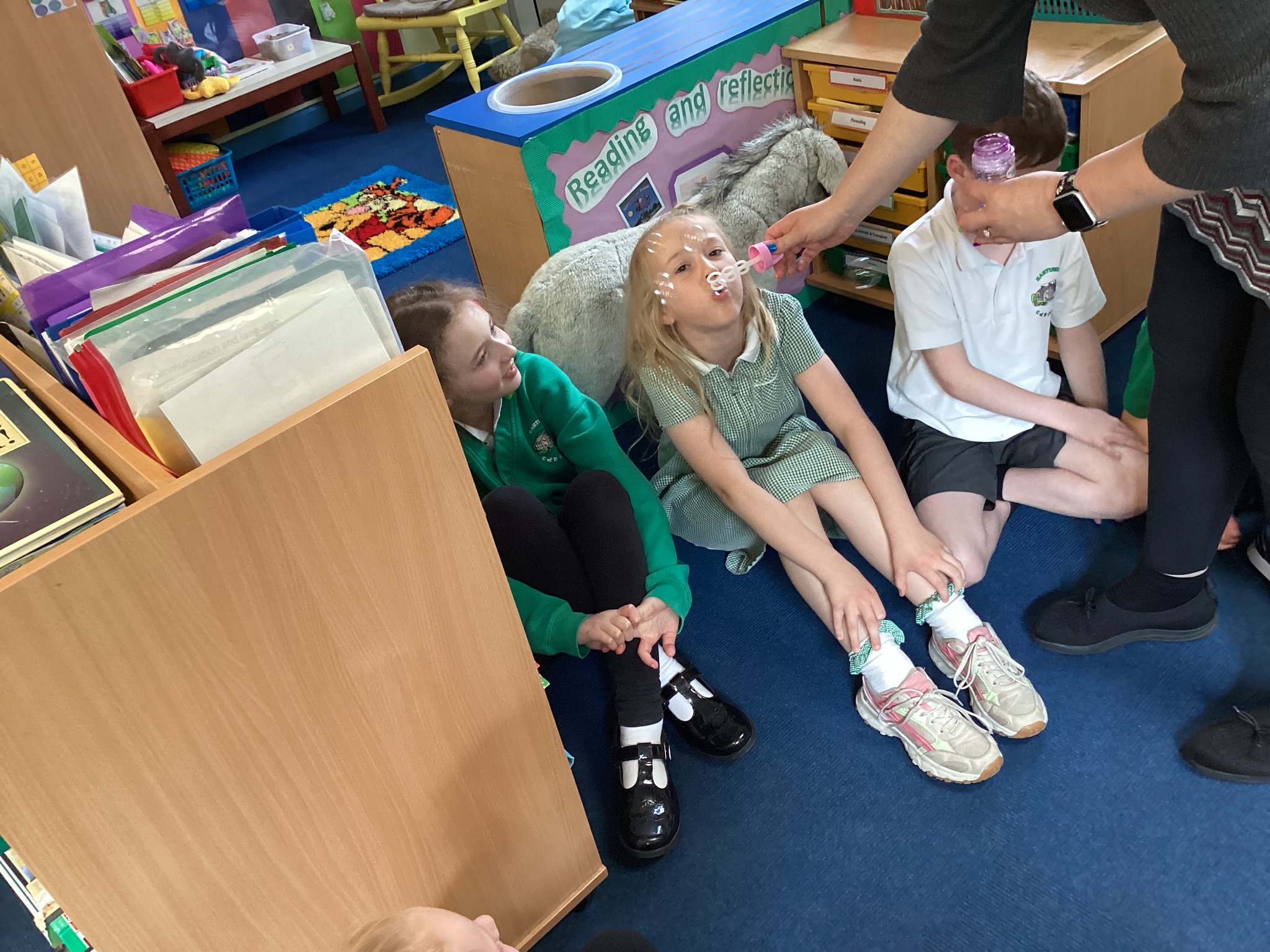
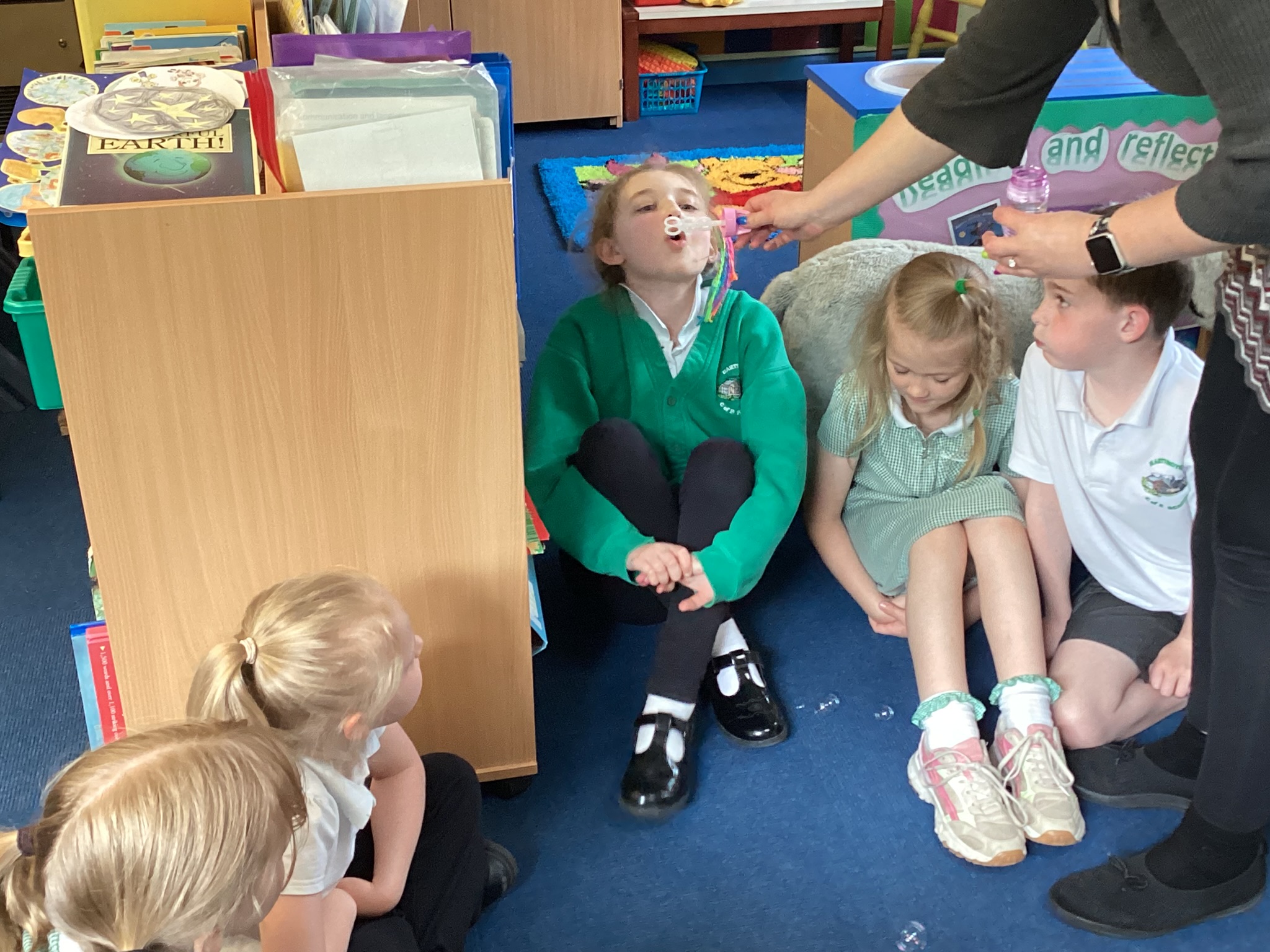
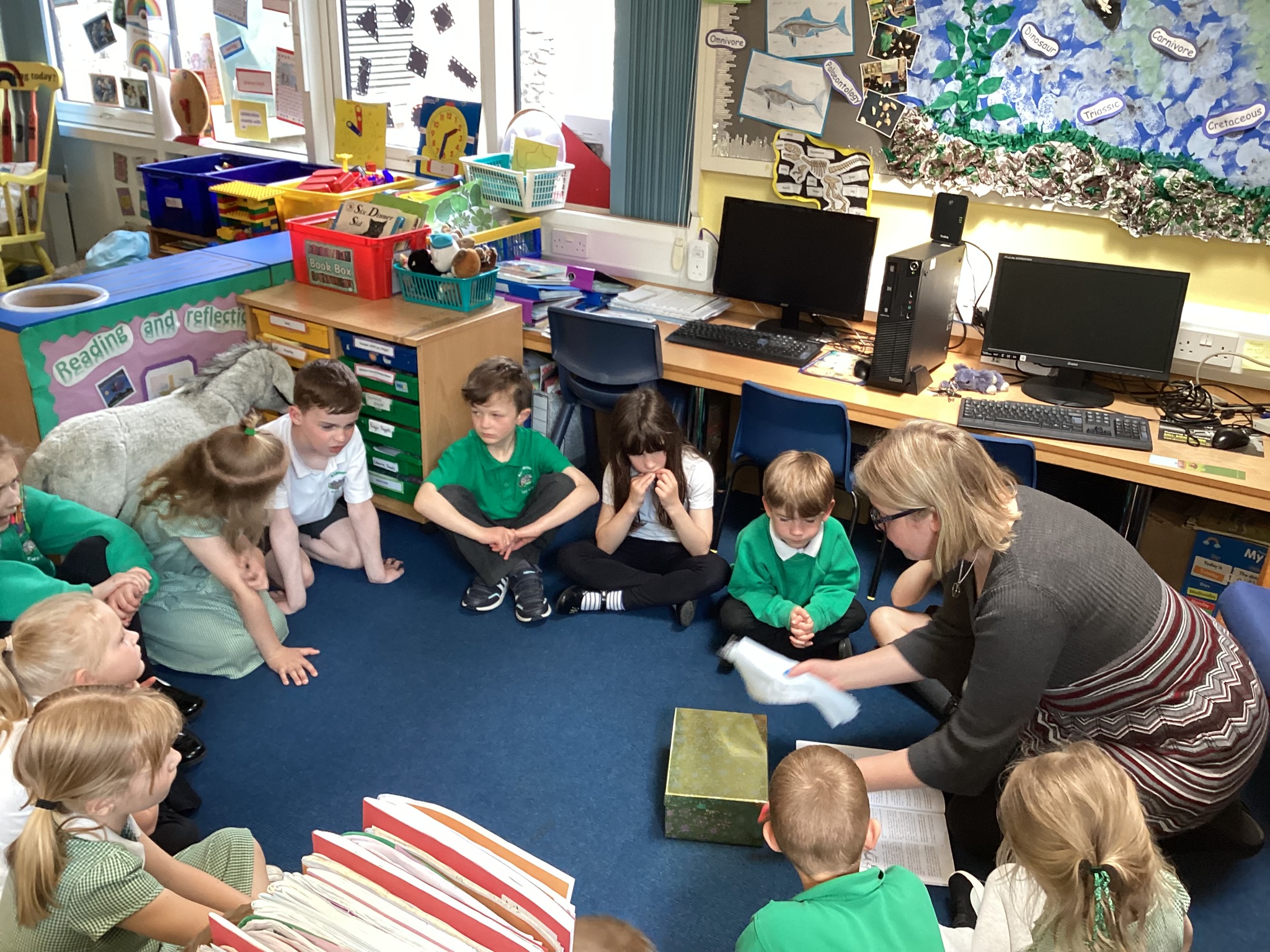
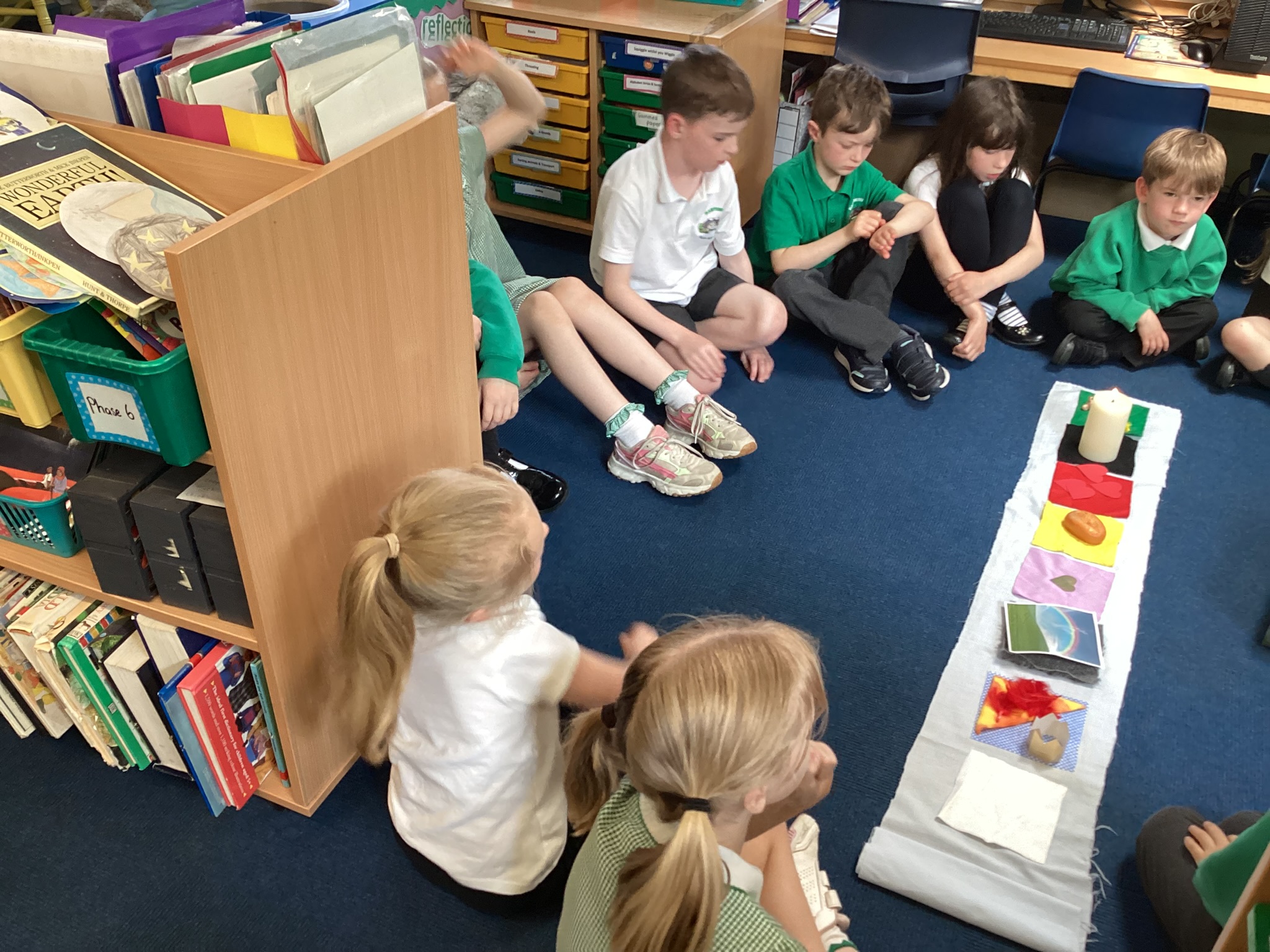
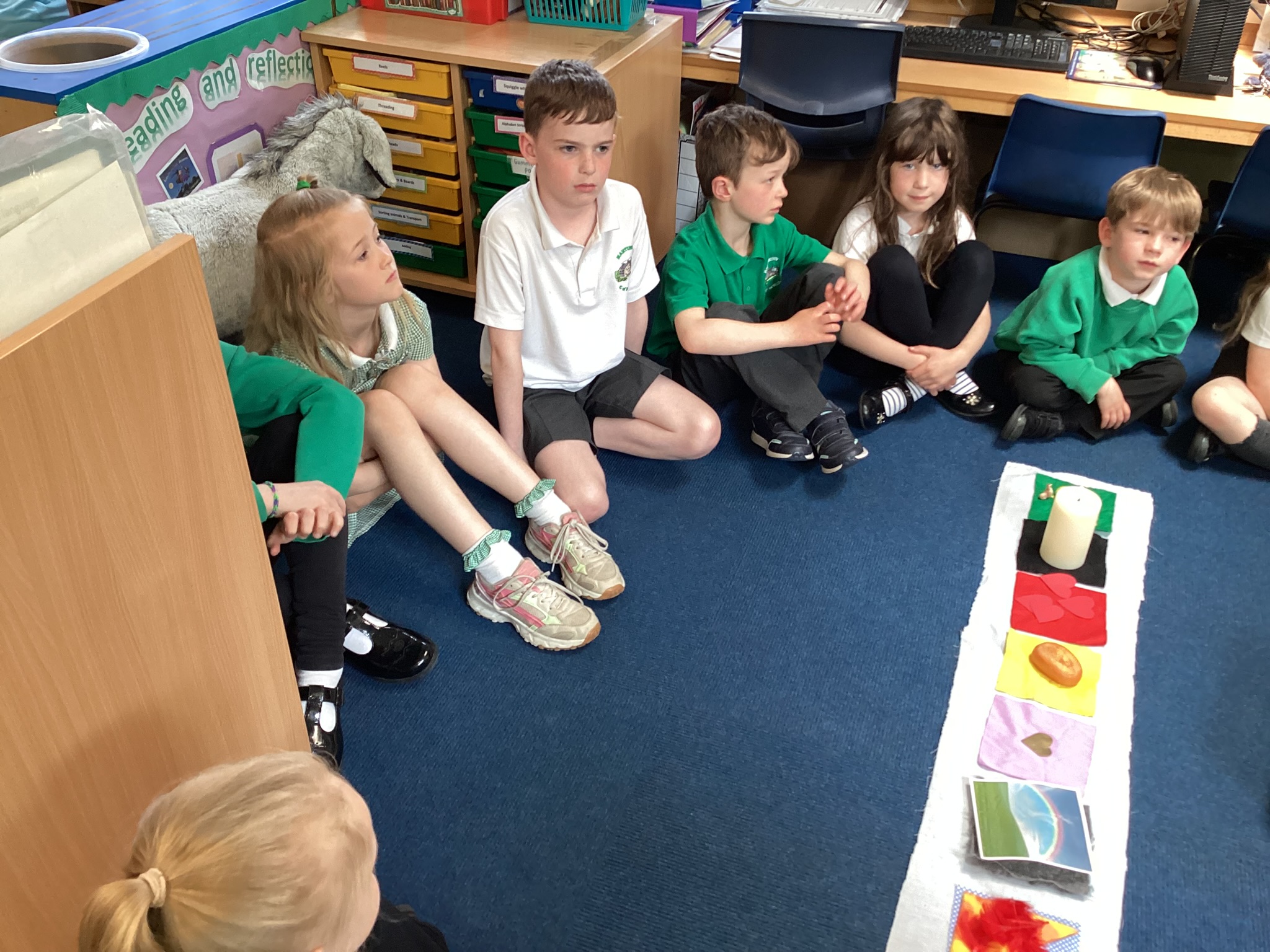
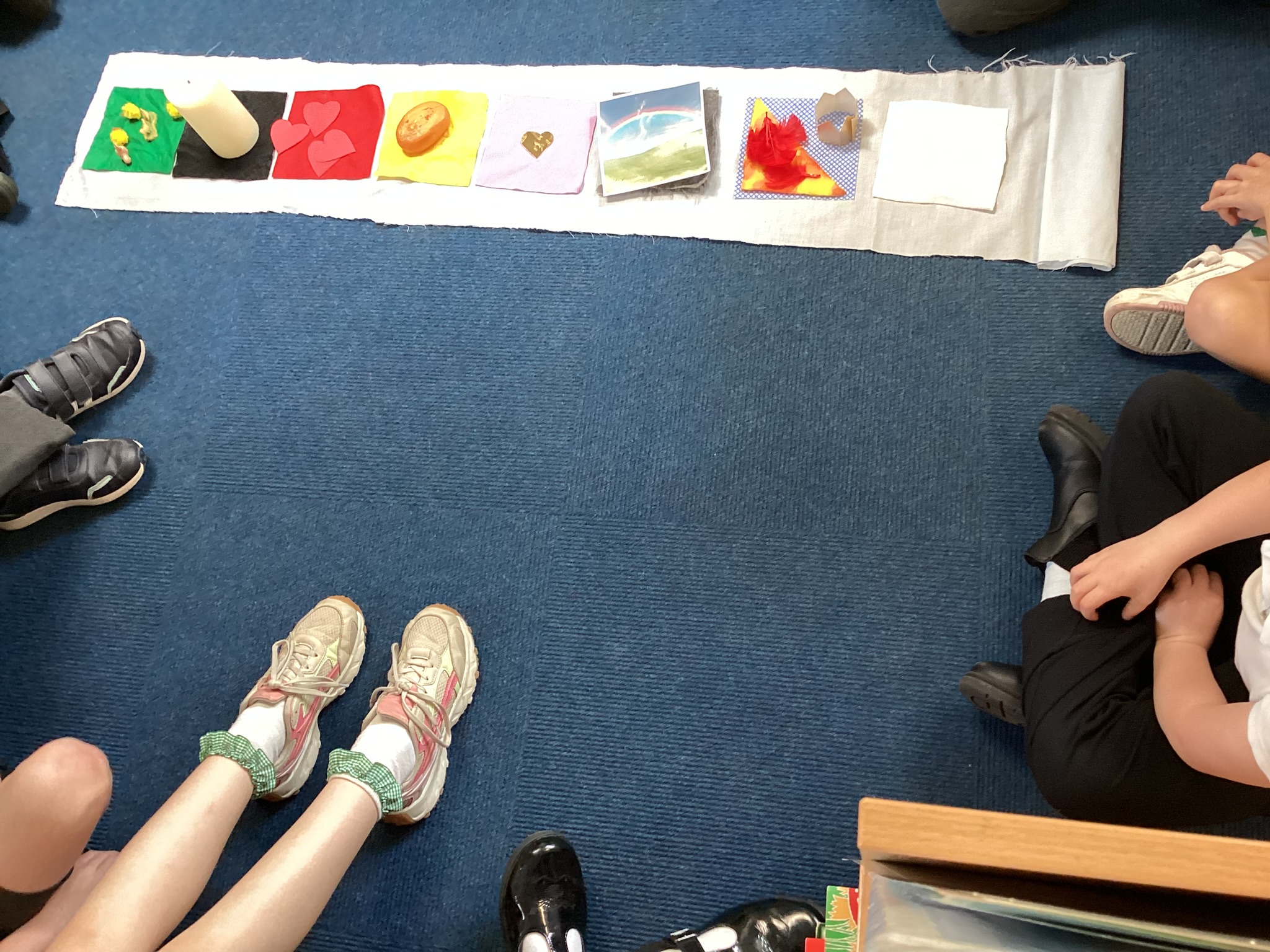
This half terms focus has been the Christian Lord’s Prayer and what this prayer teaches Christians and what they believe parts of the prayer are telling them. This was taught with a multi-coloured approach, with different colours reflecting different parts of the prayer.
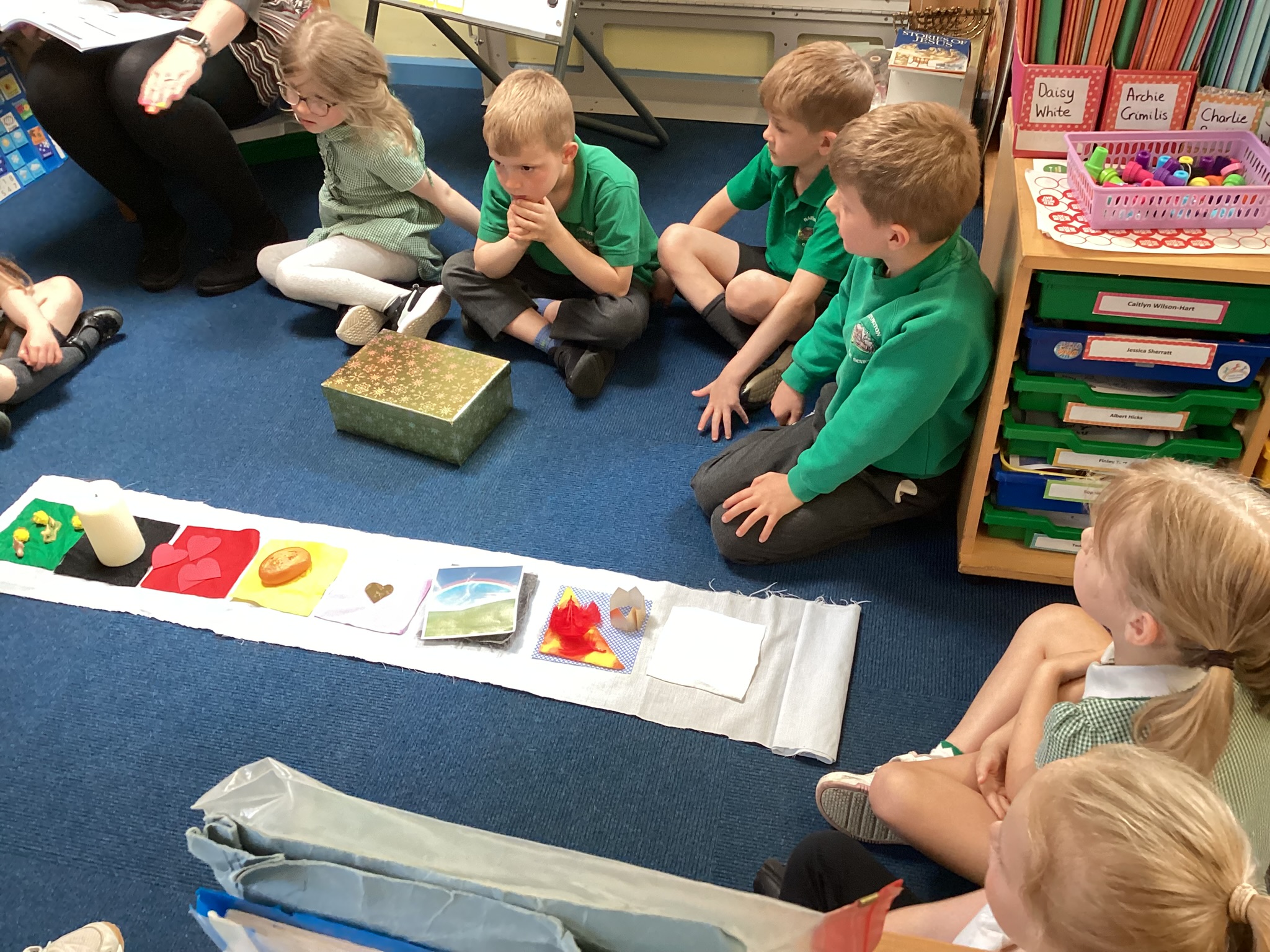
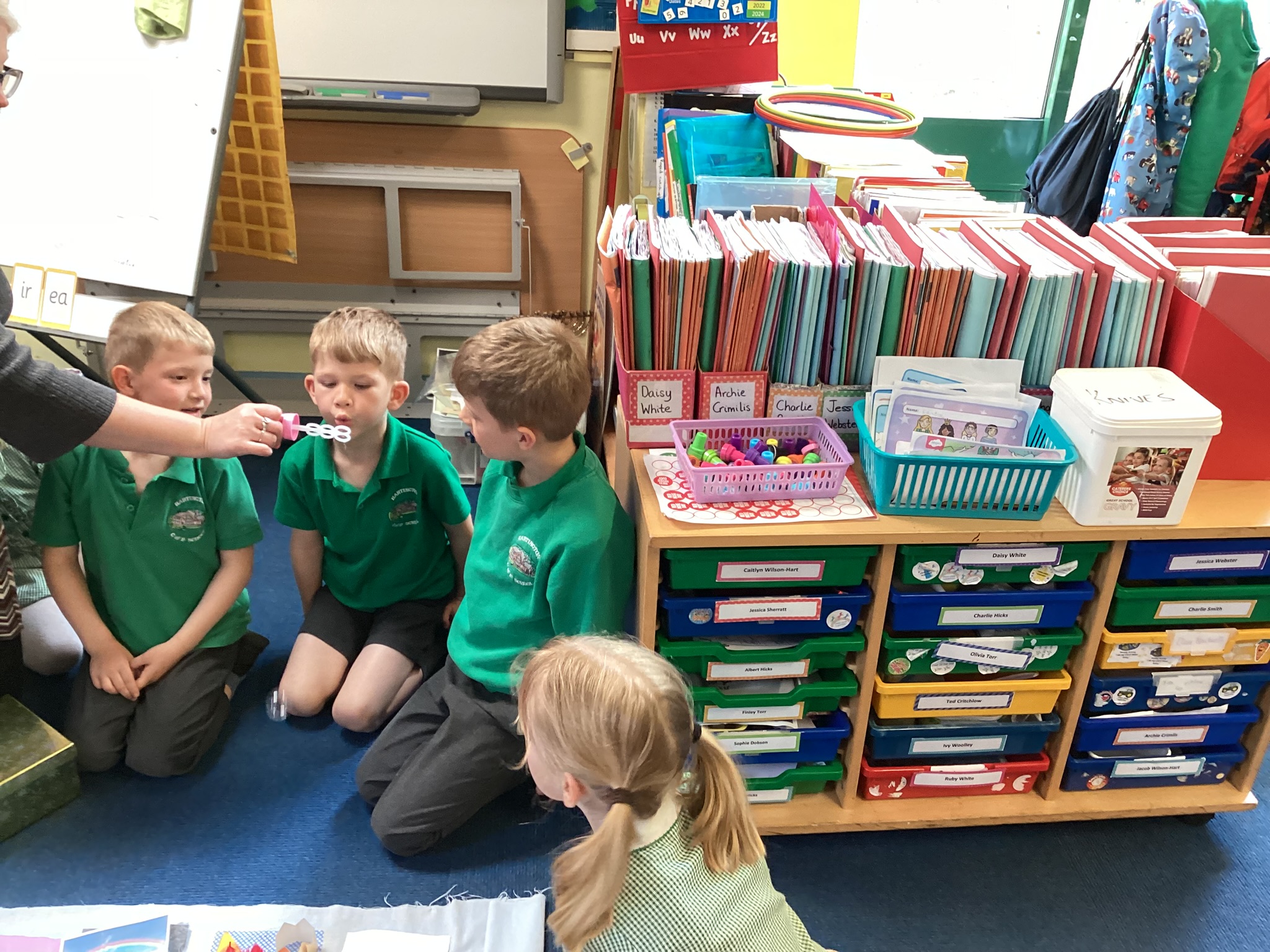
We used Godly play to introduce the topic and bring the words of the prayer to life. Children spent time thinking about what some of the items used might symbolize to Christians.
‘Our Father in Heaven…’ – What picture is in your mind when you think of these words?
The children created their own images to reflect this. They then thought about how Christians think of God as the ideal parent and what they thought the ideal parent would be.
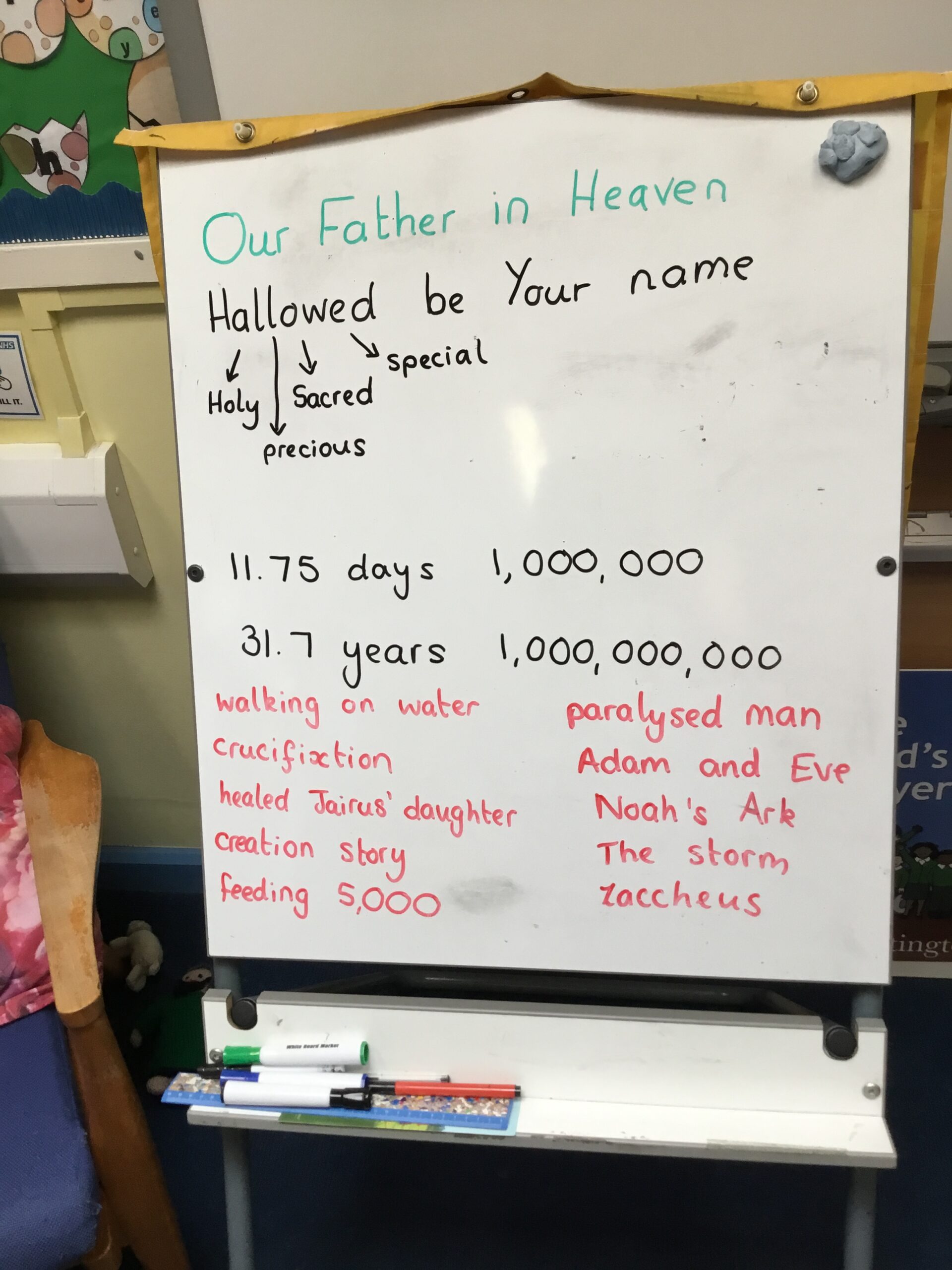
‘Hallowed be Your name…’ – What stories from the Bible can you recall that show Christians the power in God’s name?’
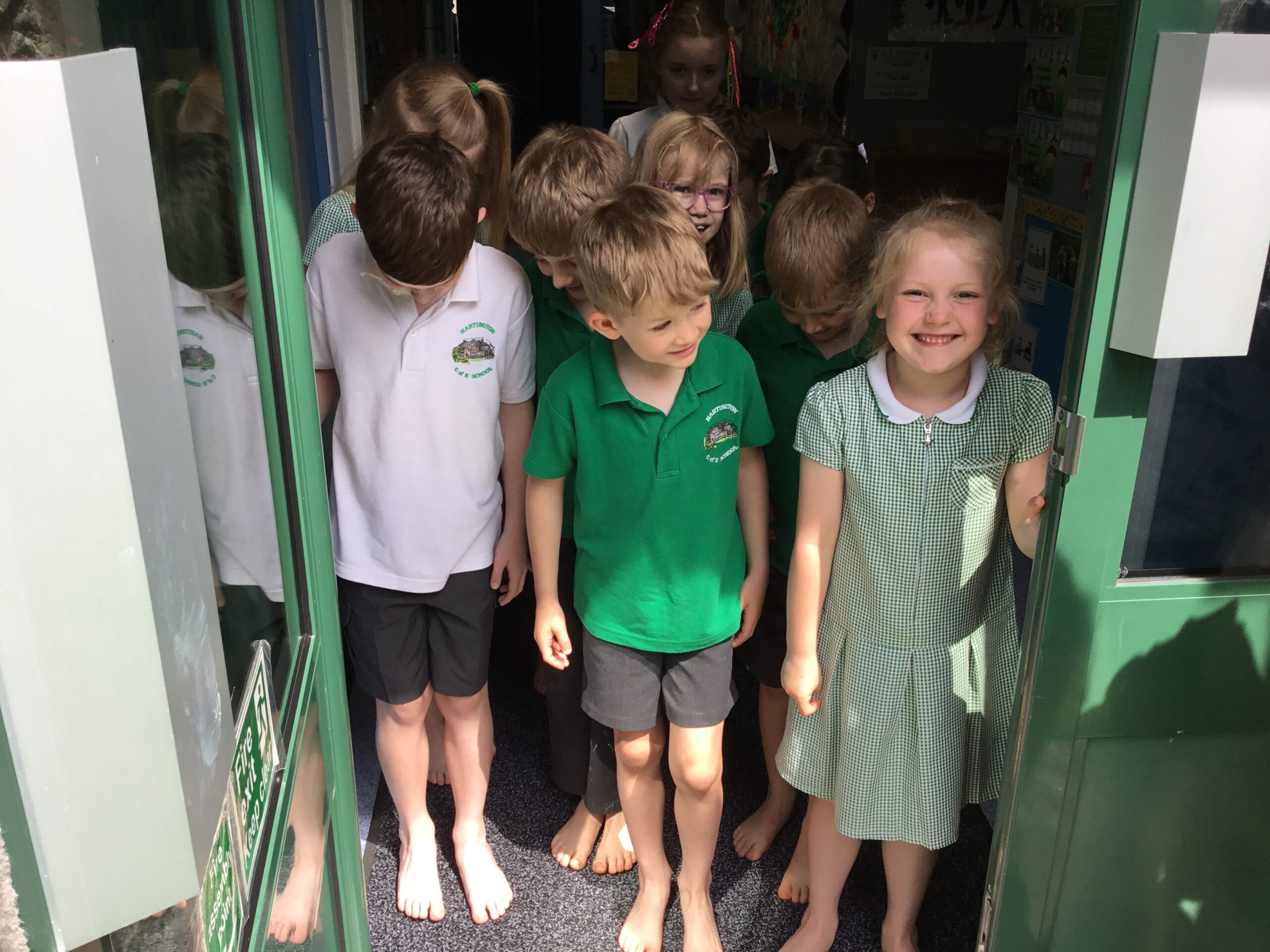
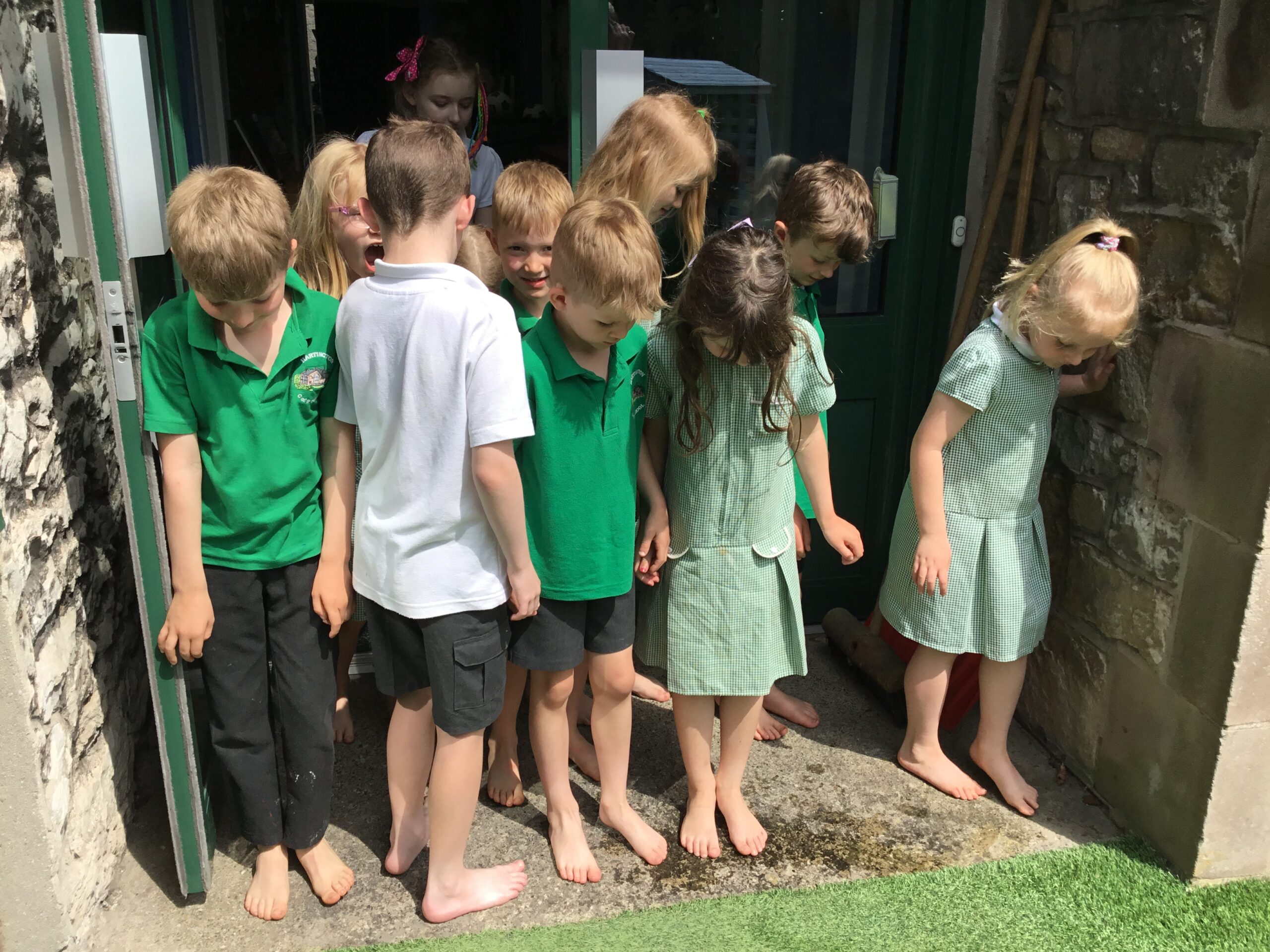
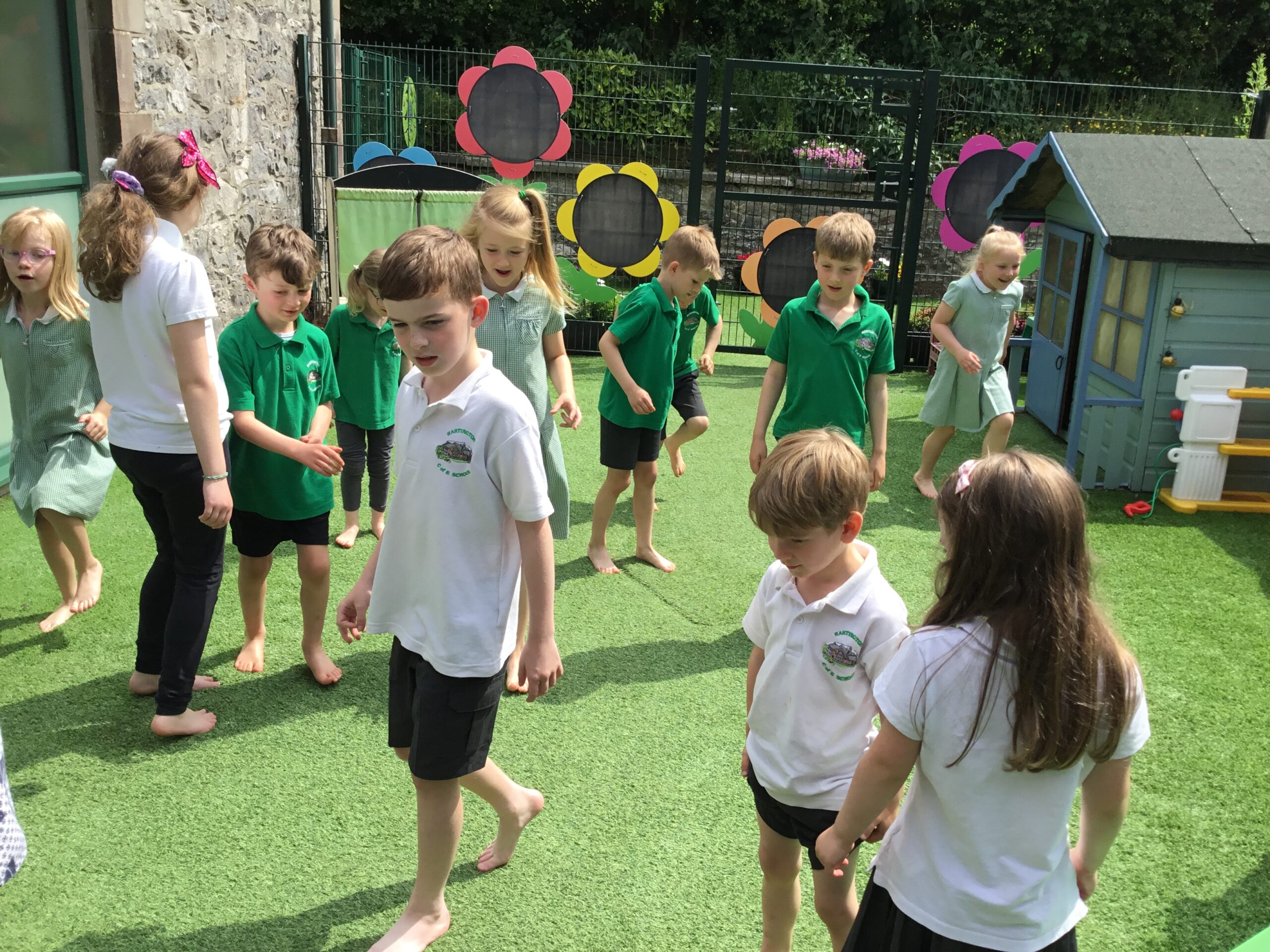
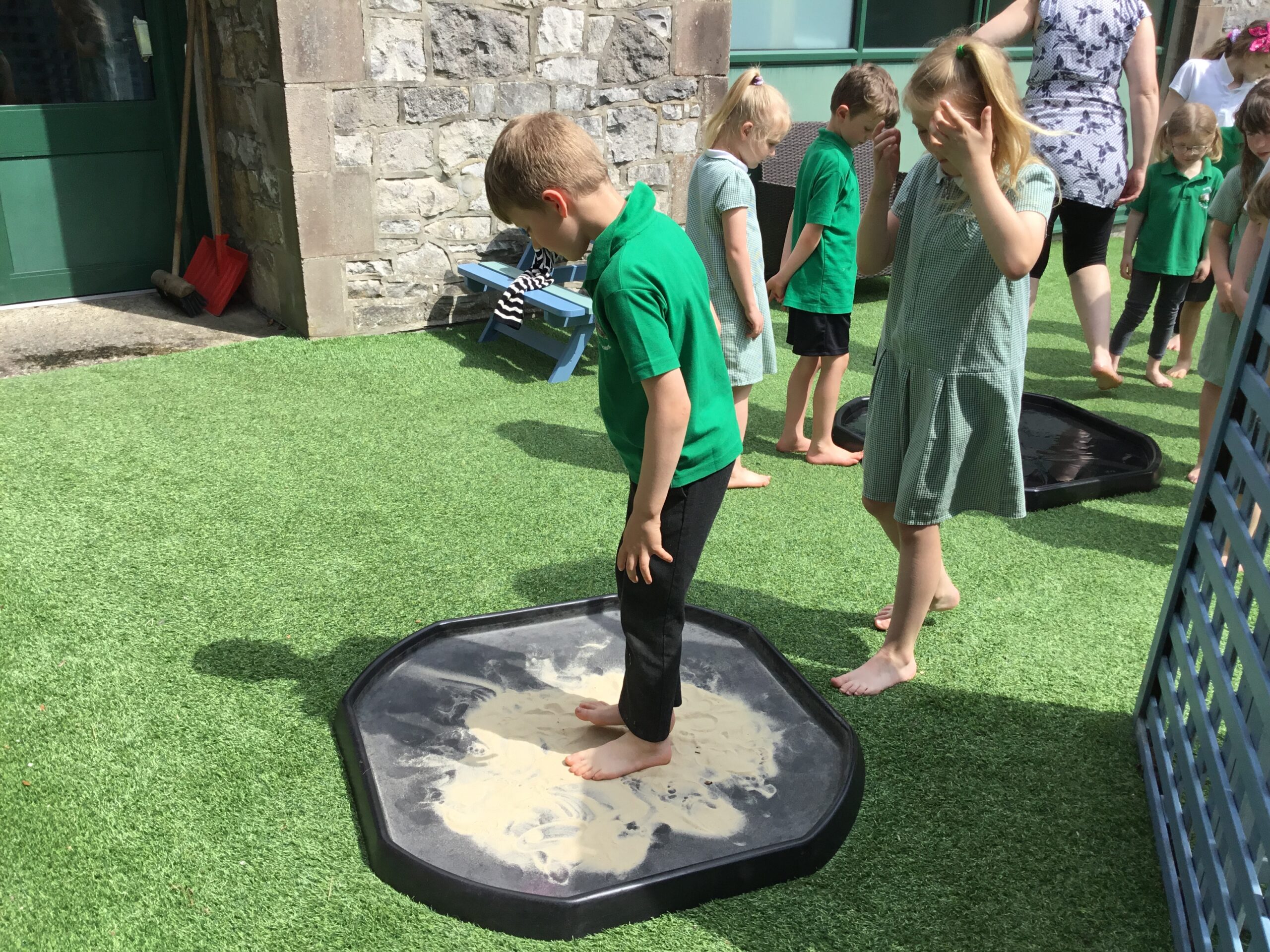
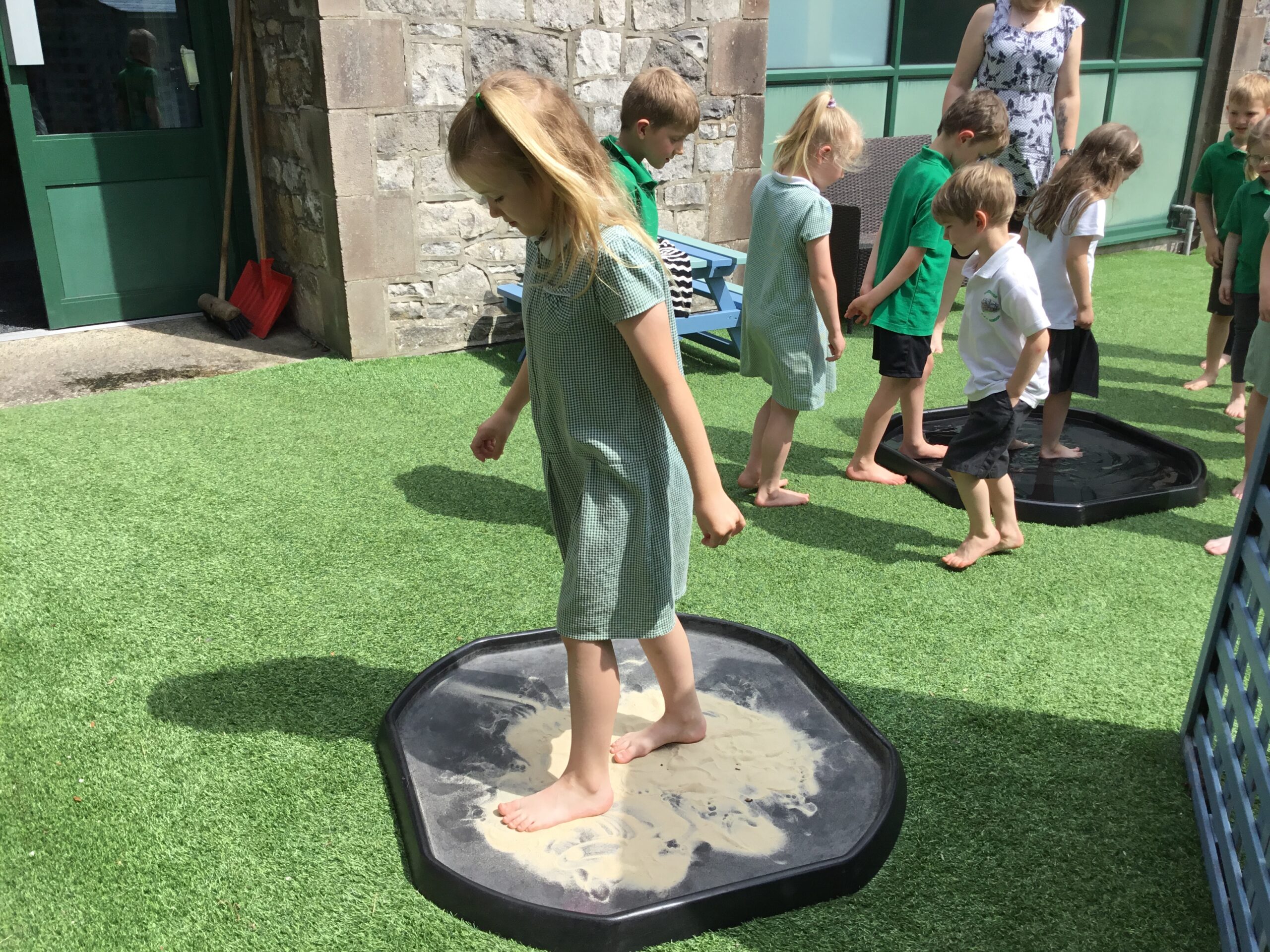
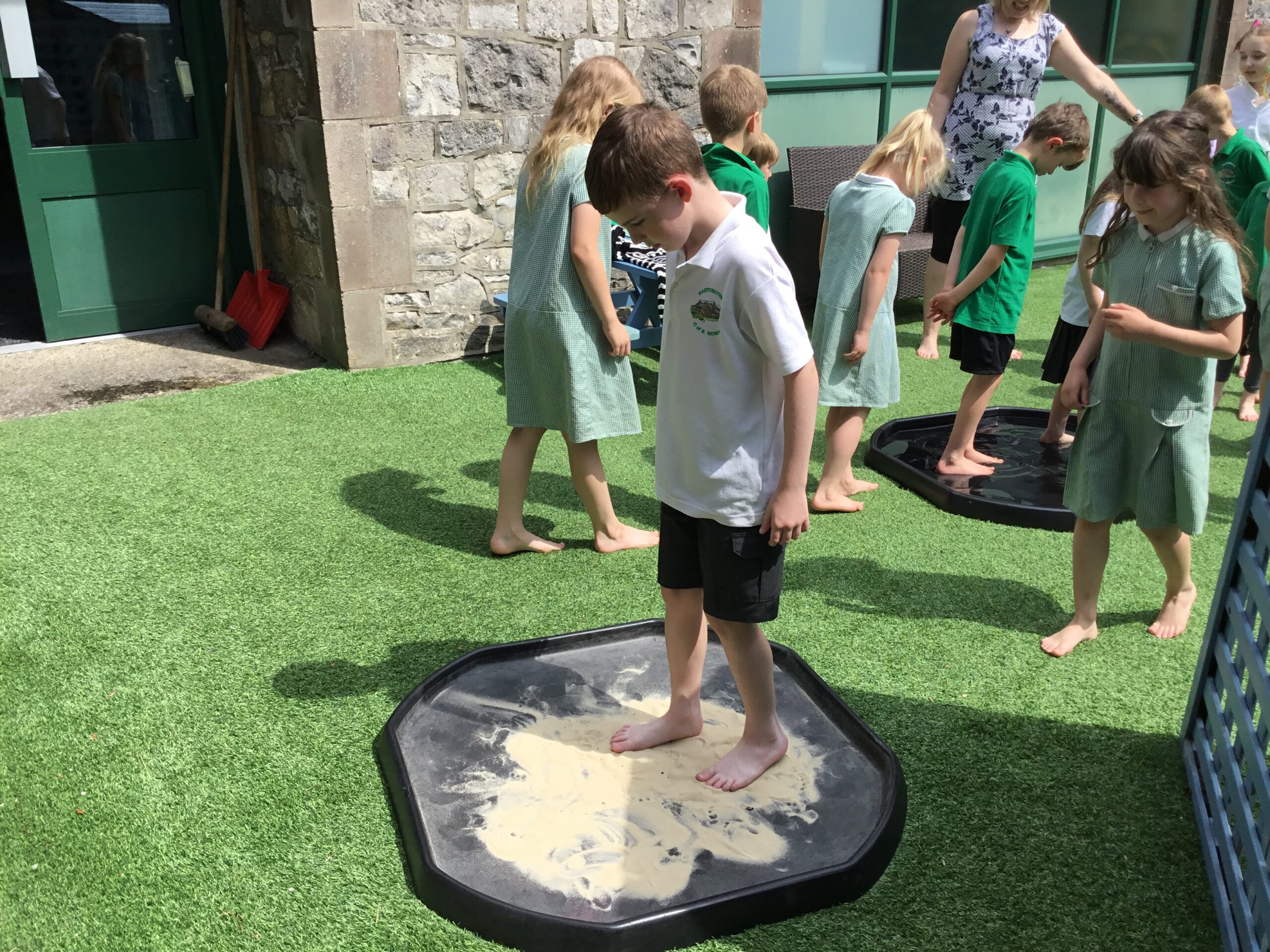
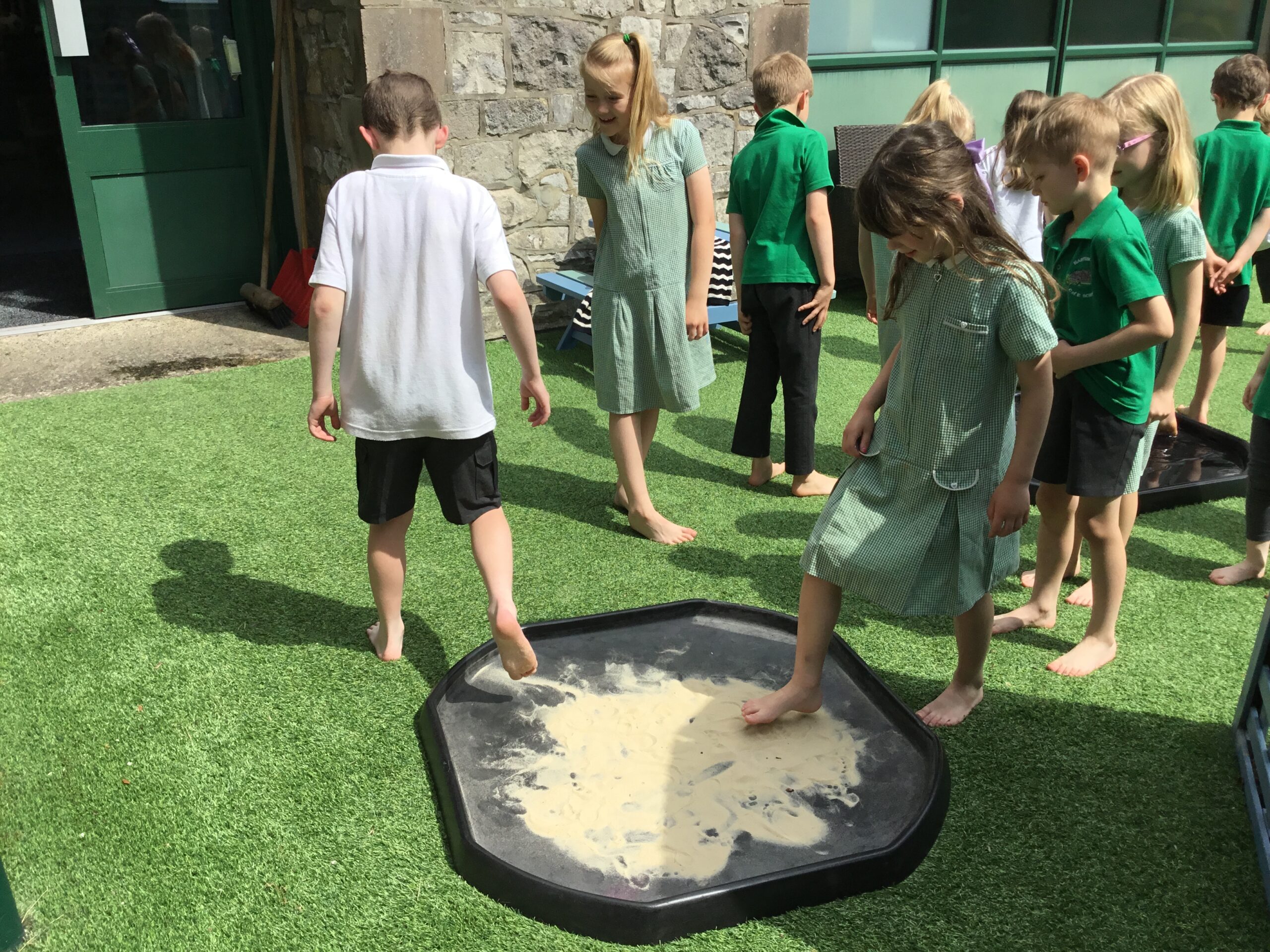
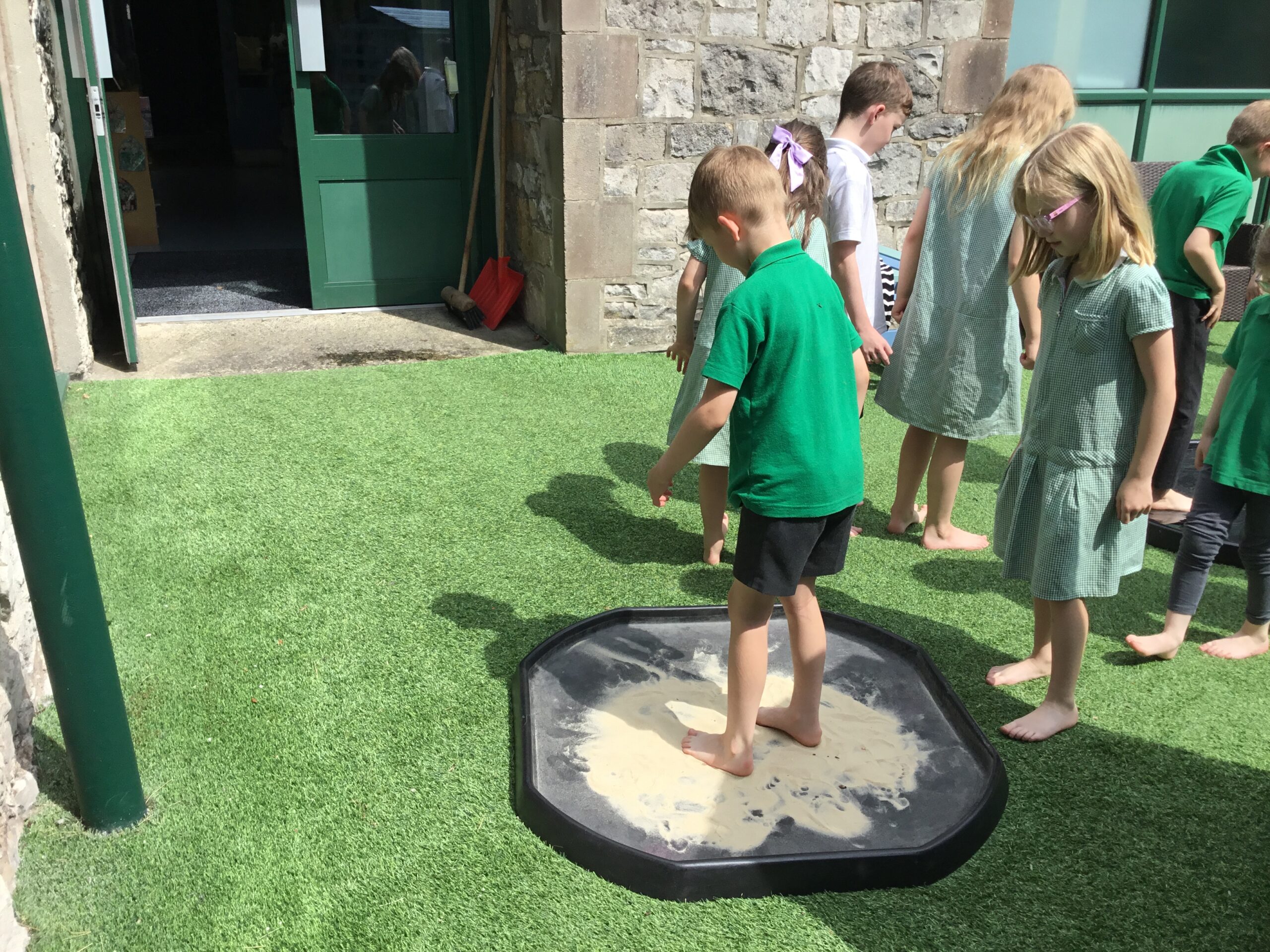
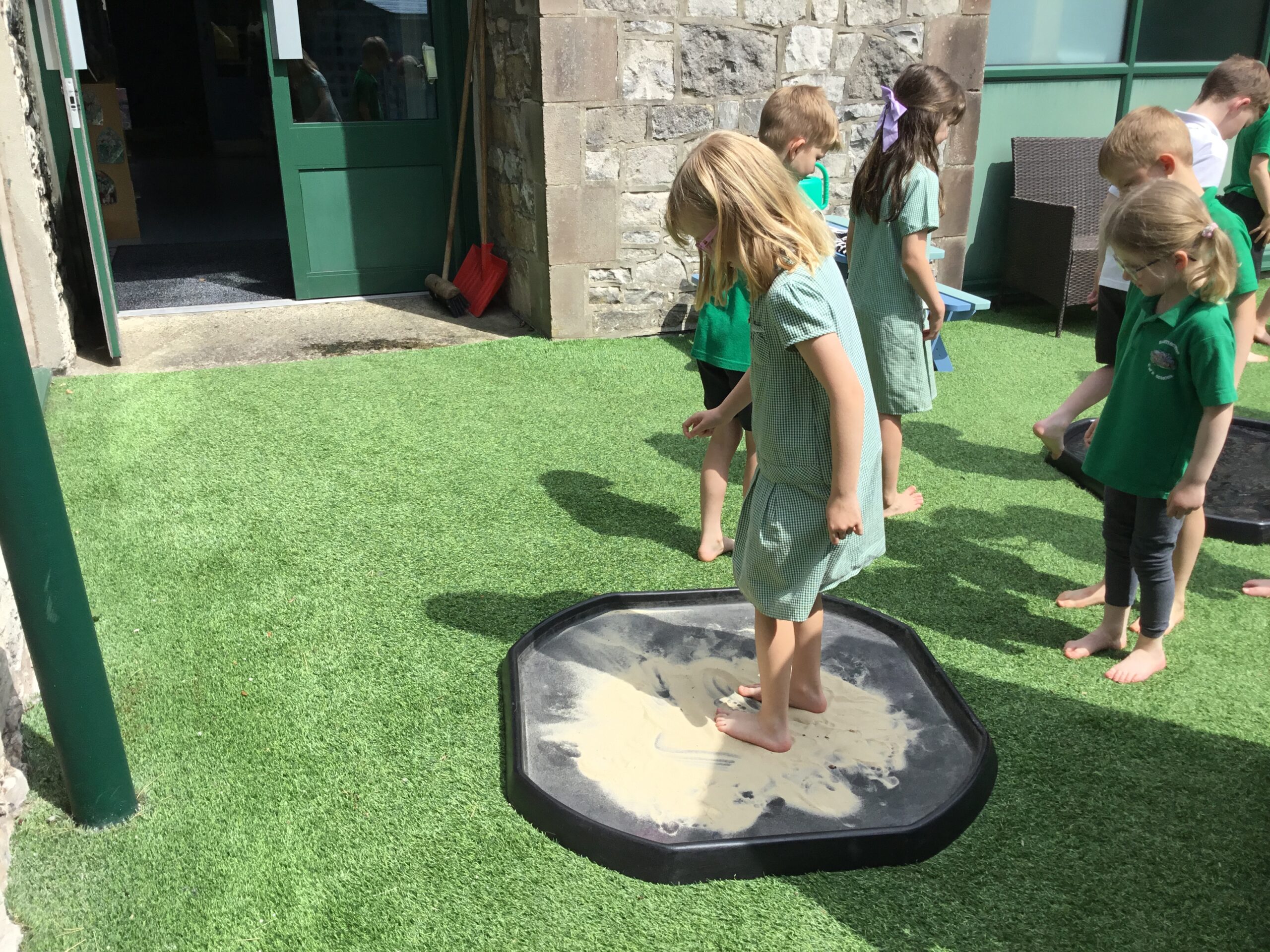
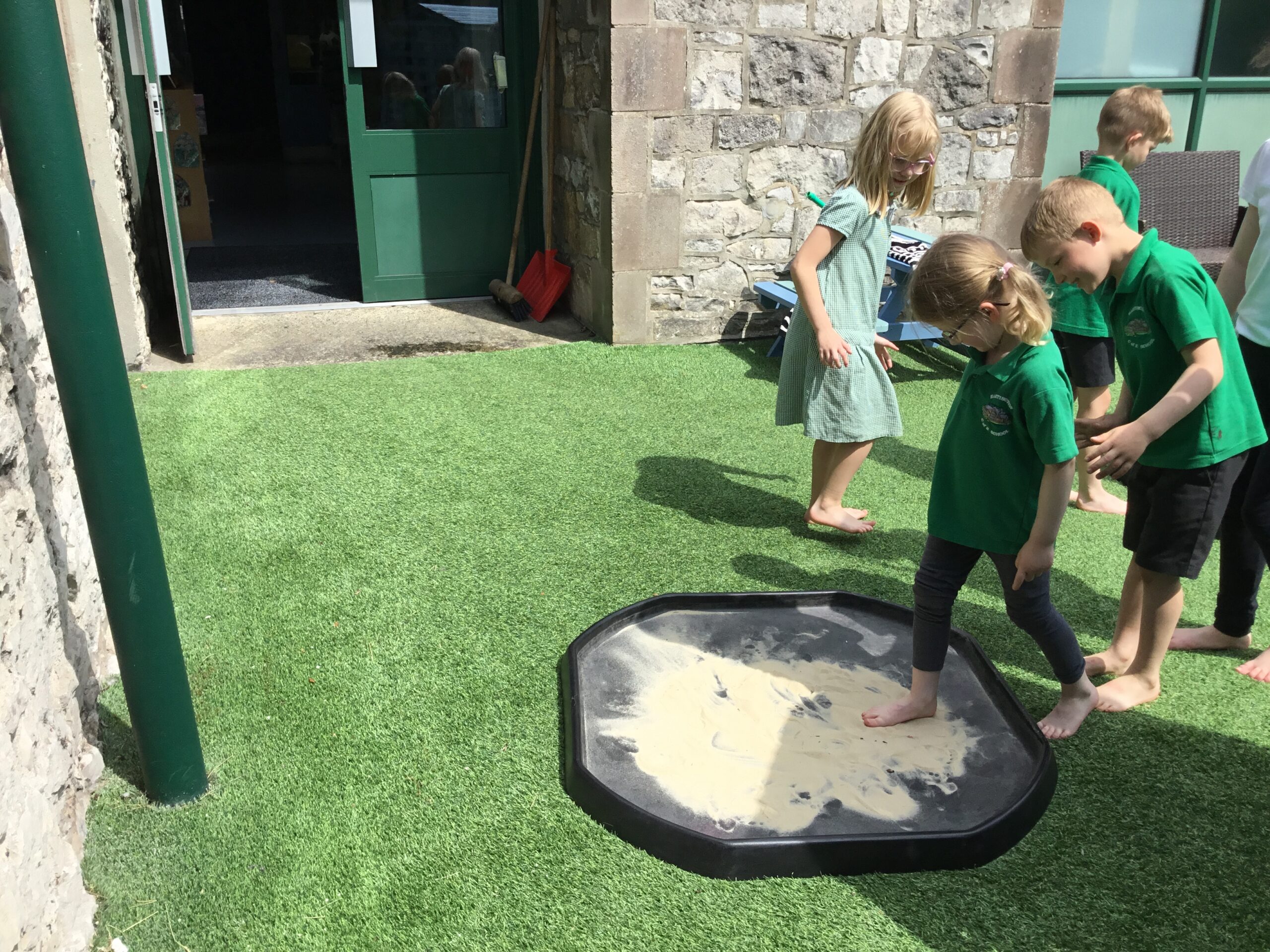
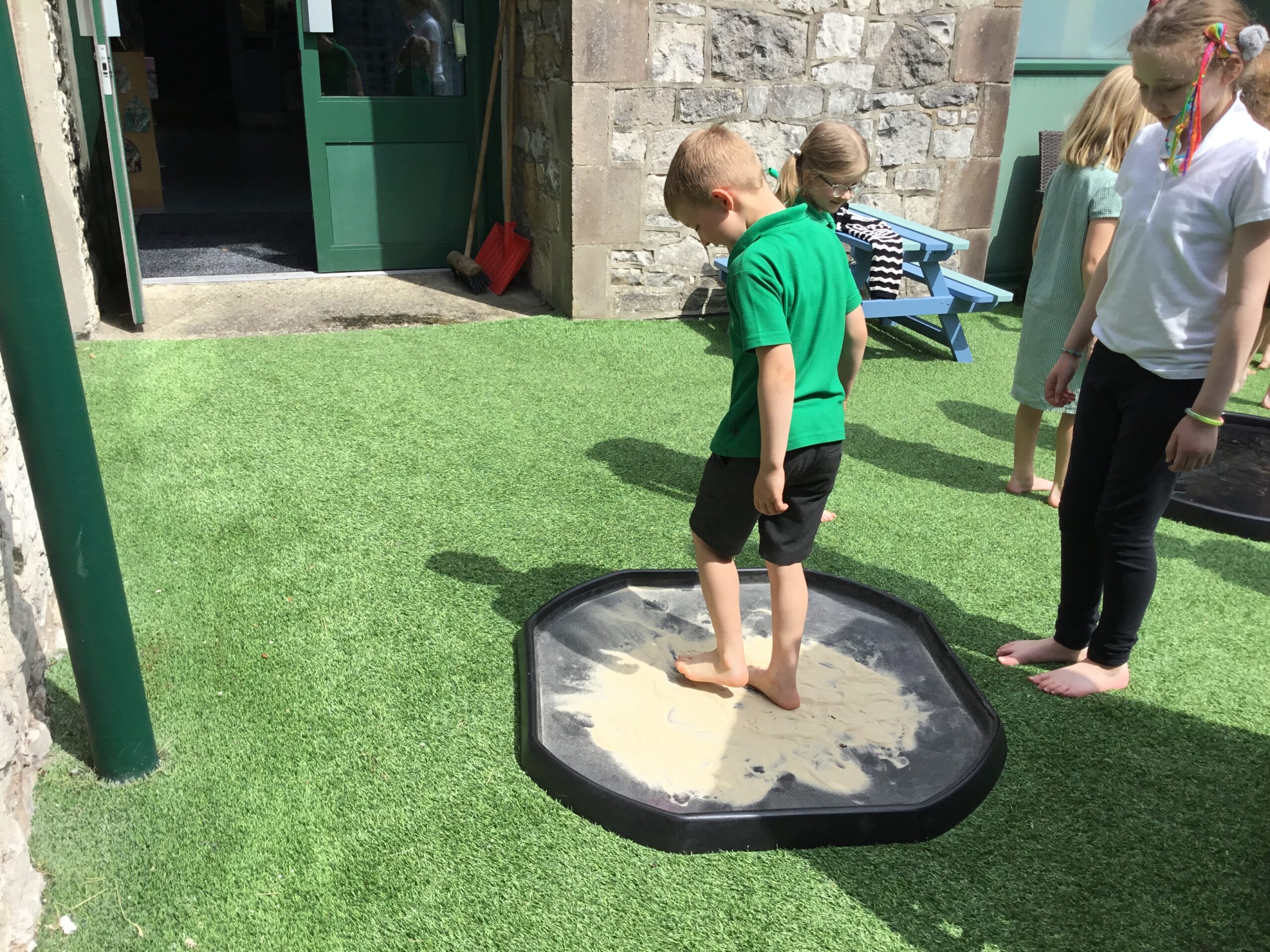
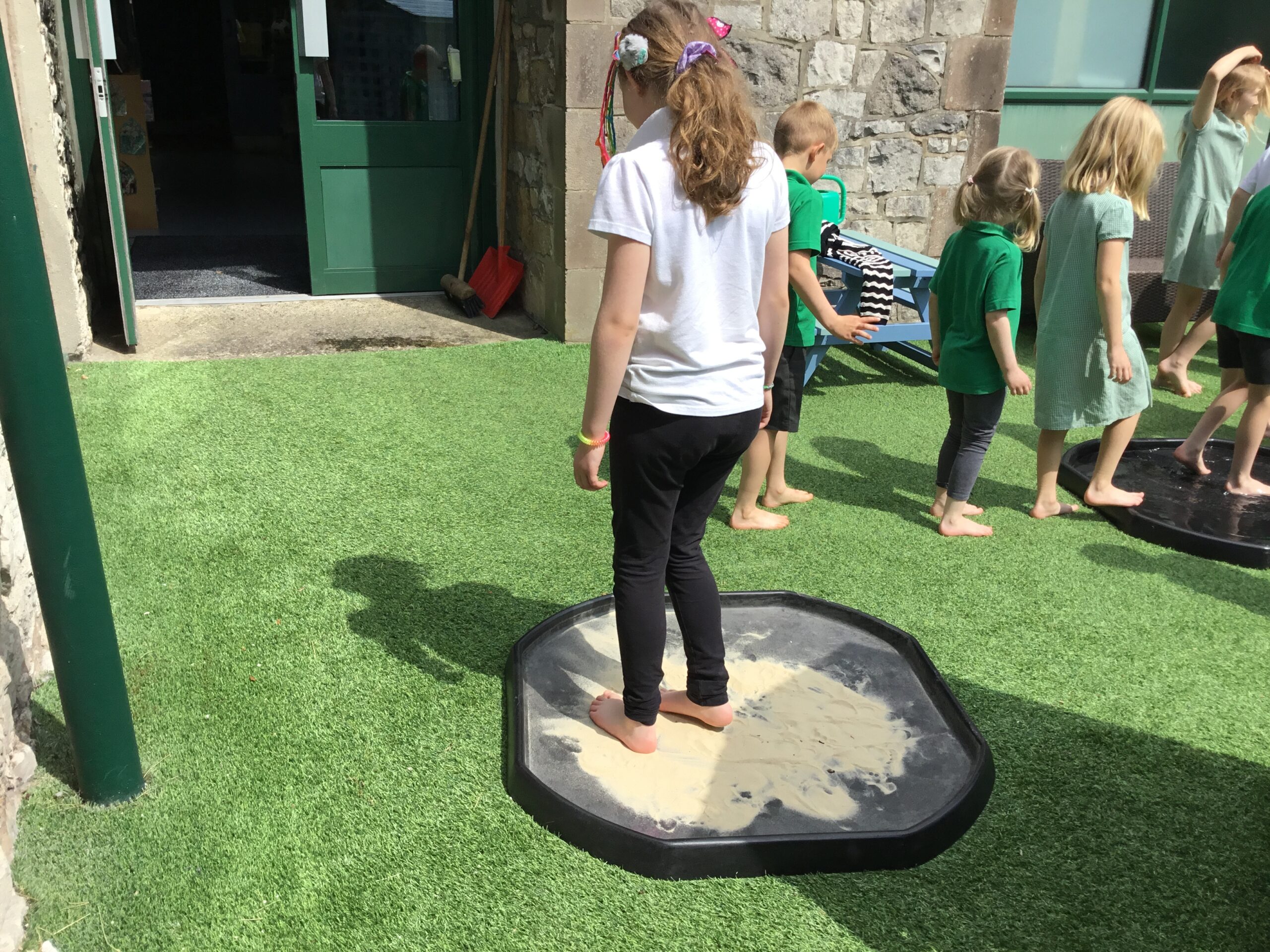
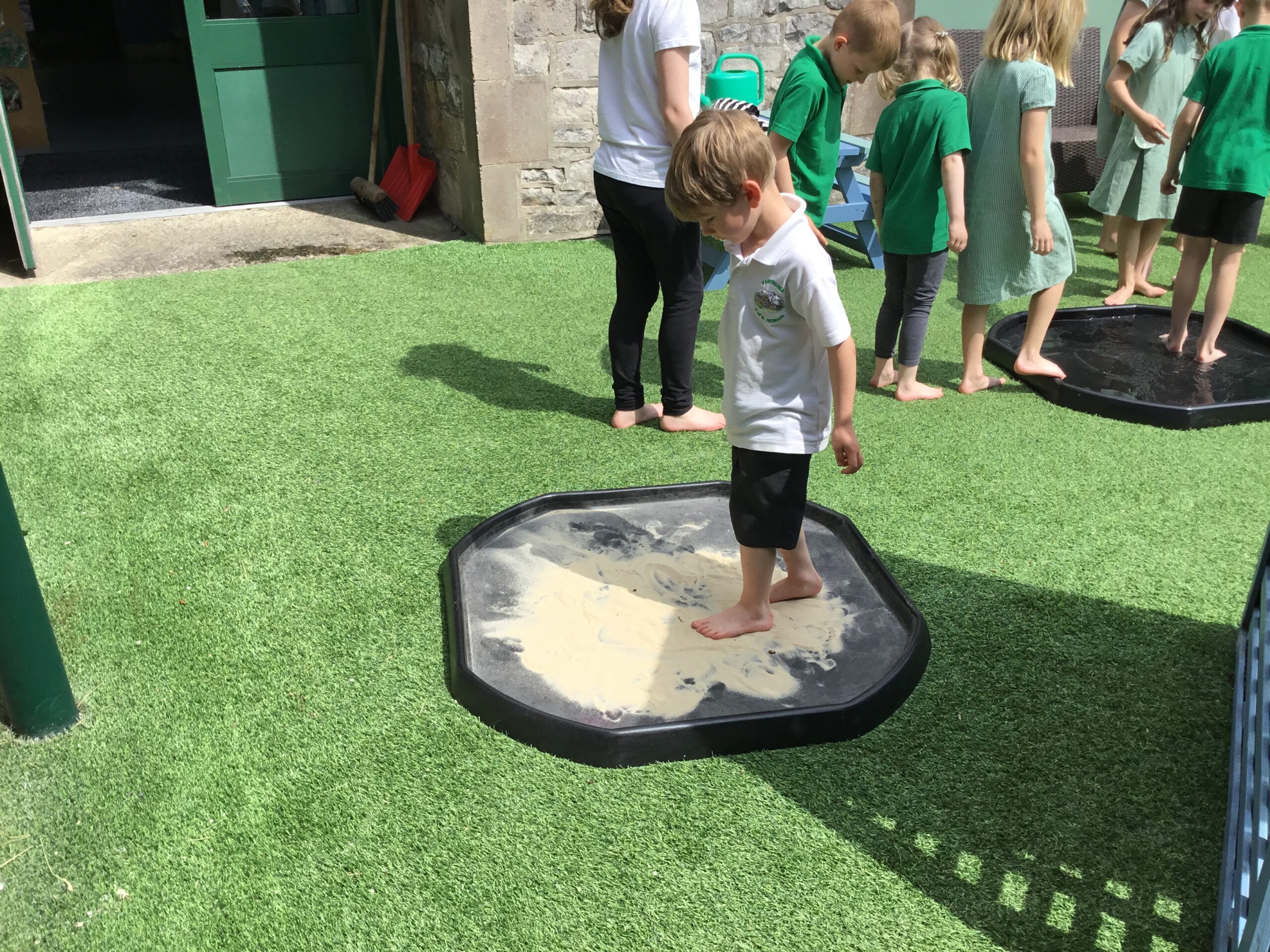
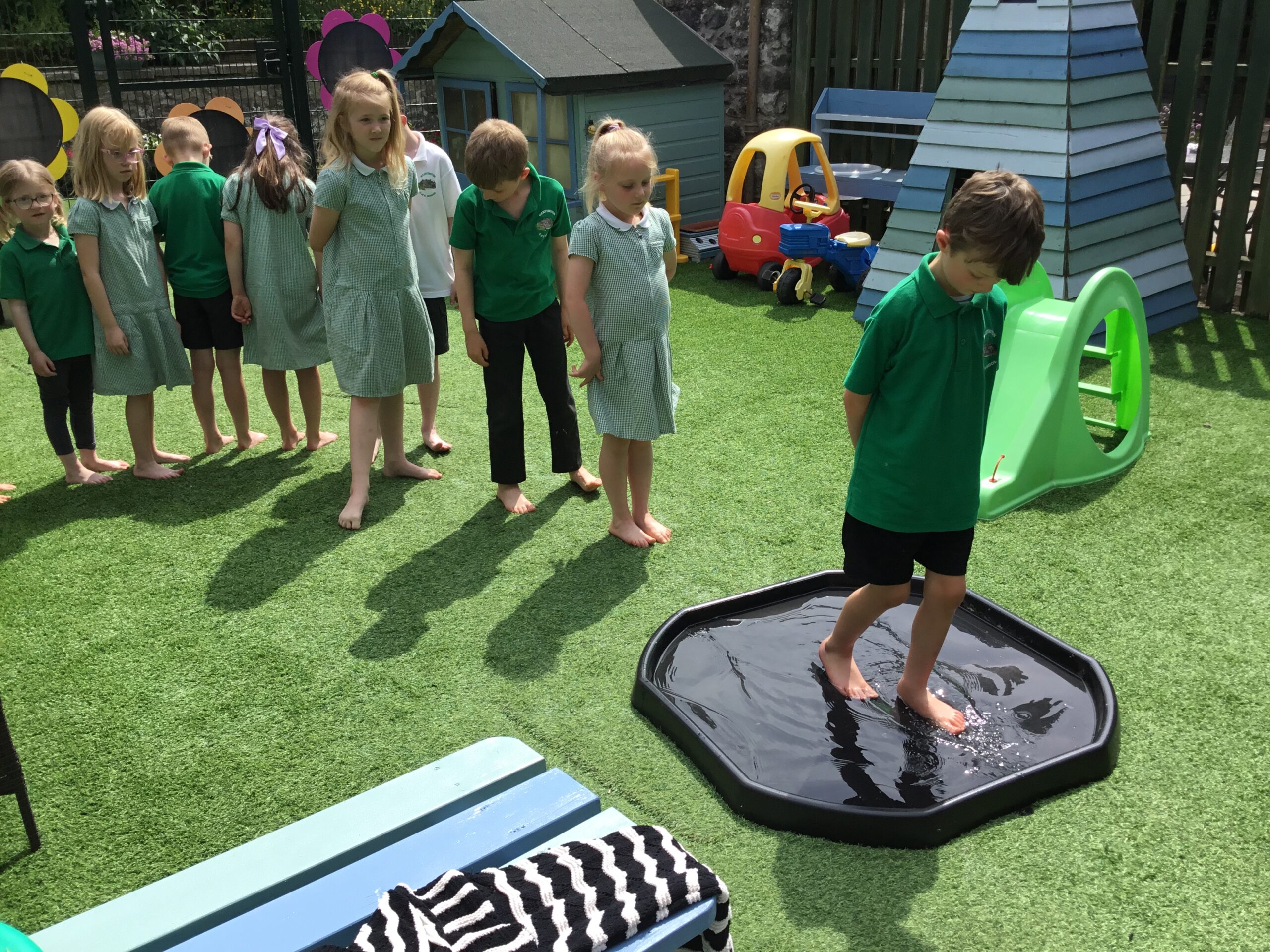
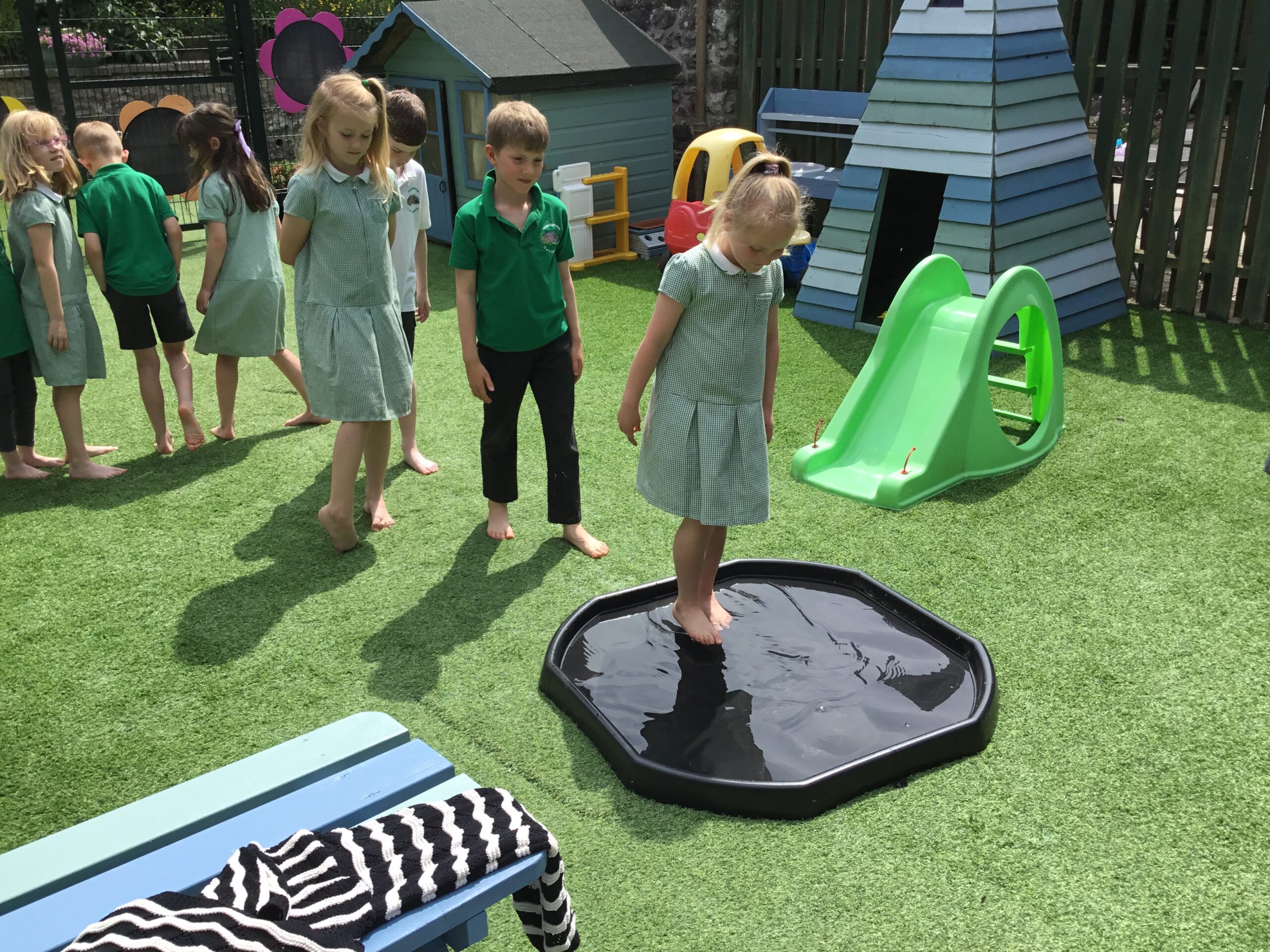
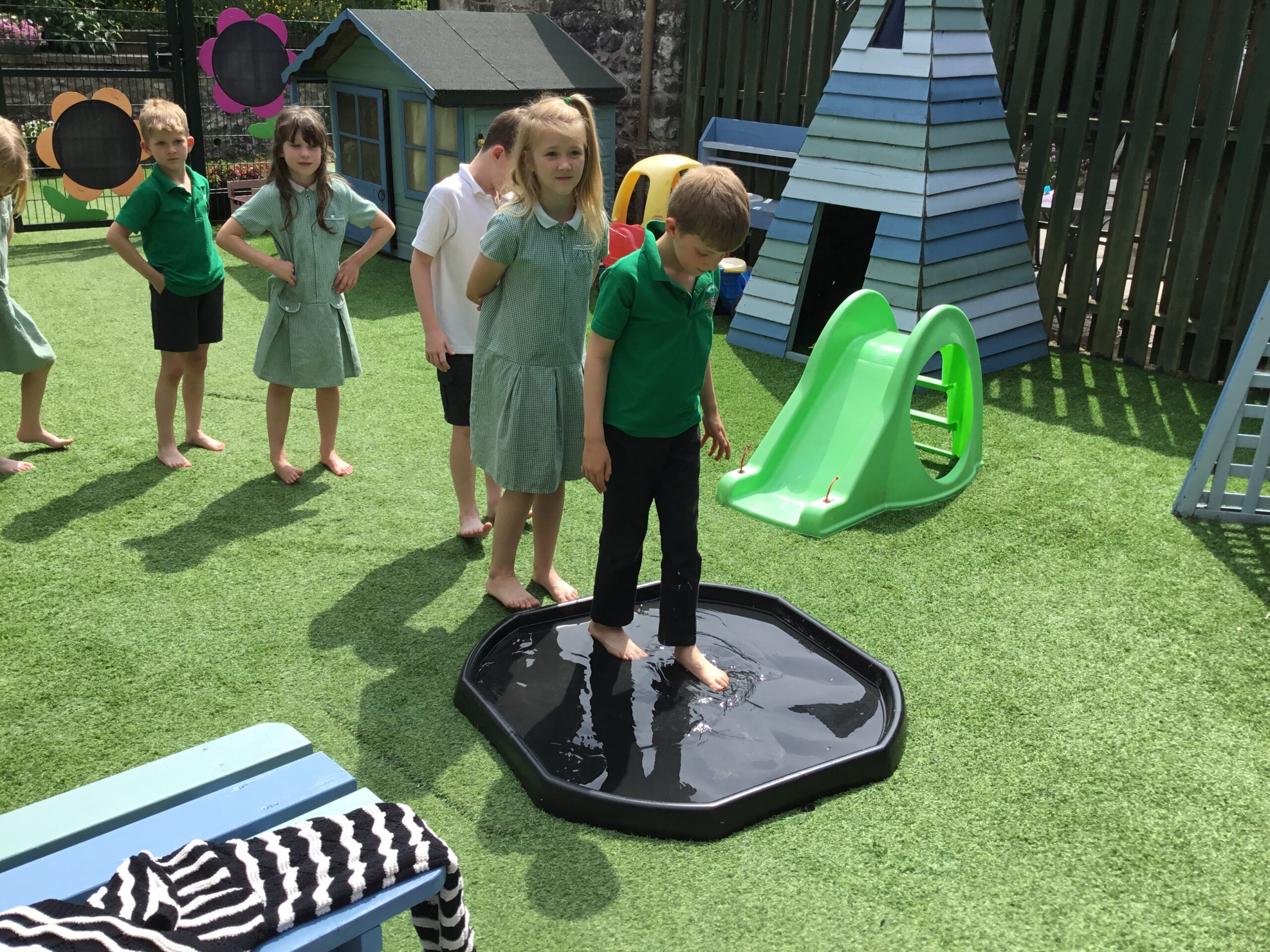
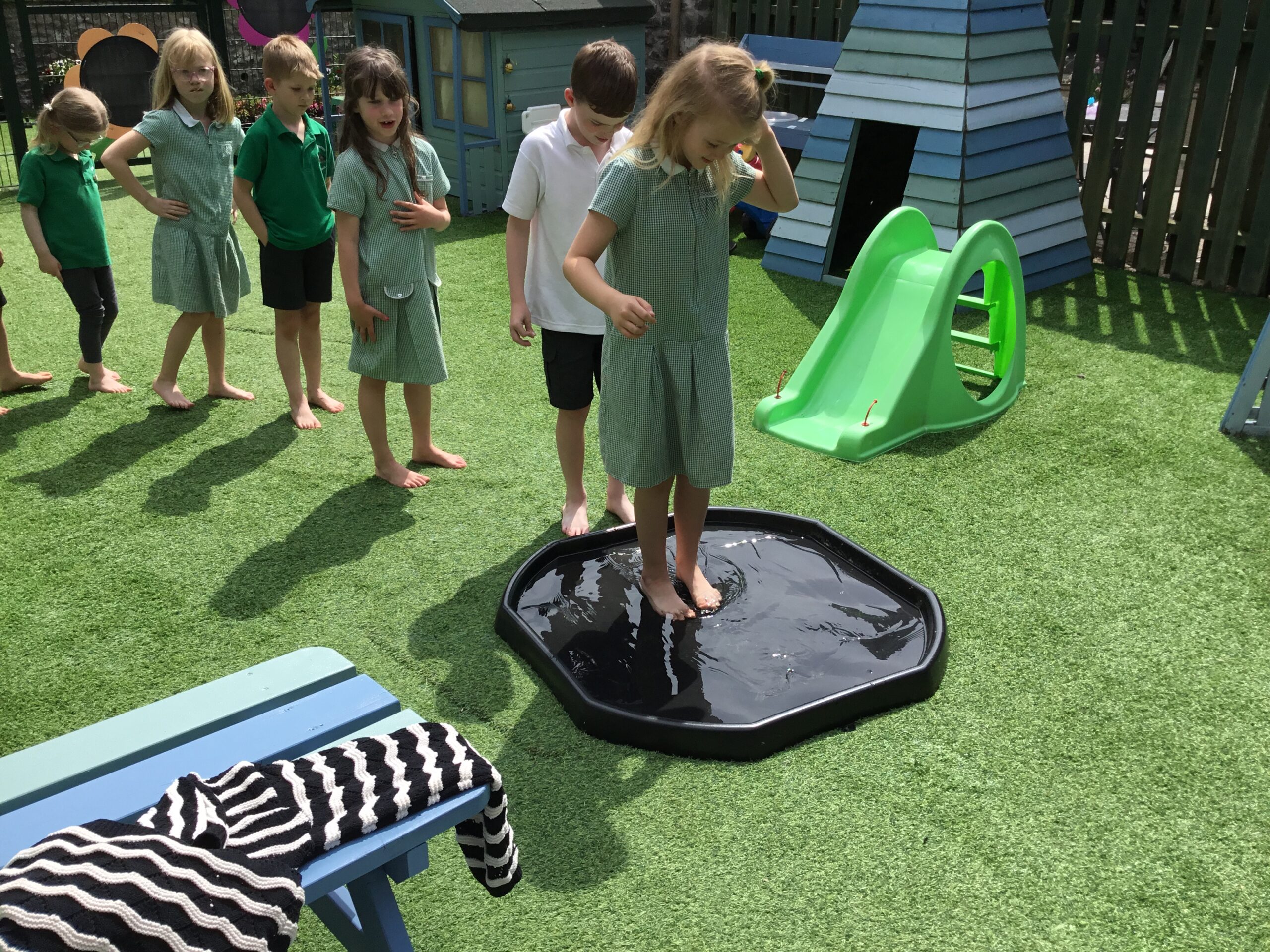
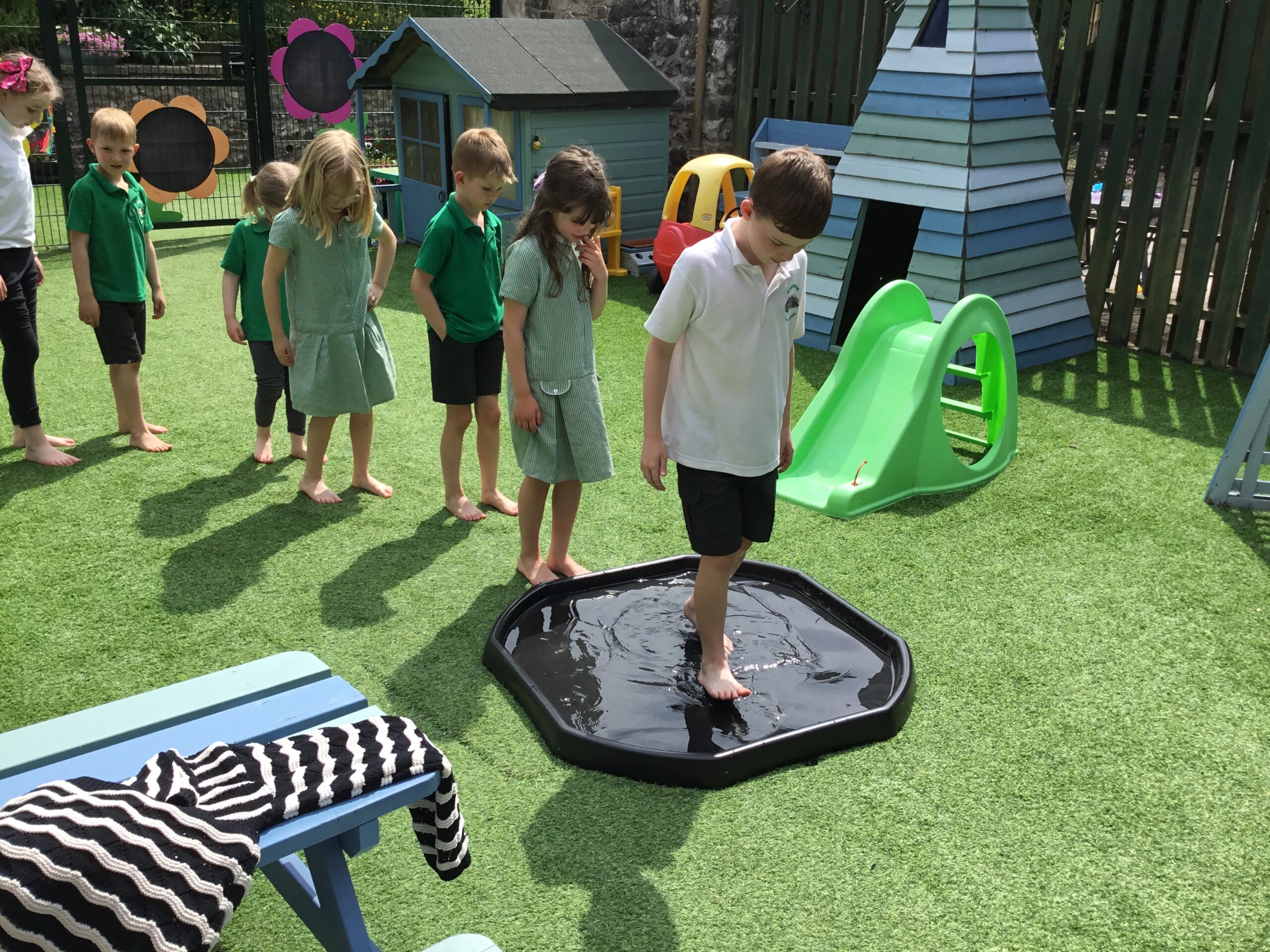
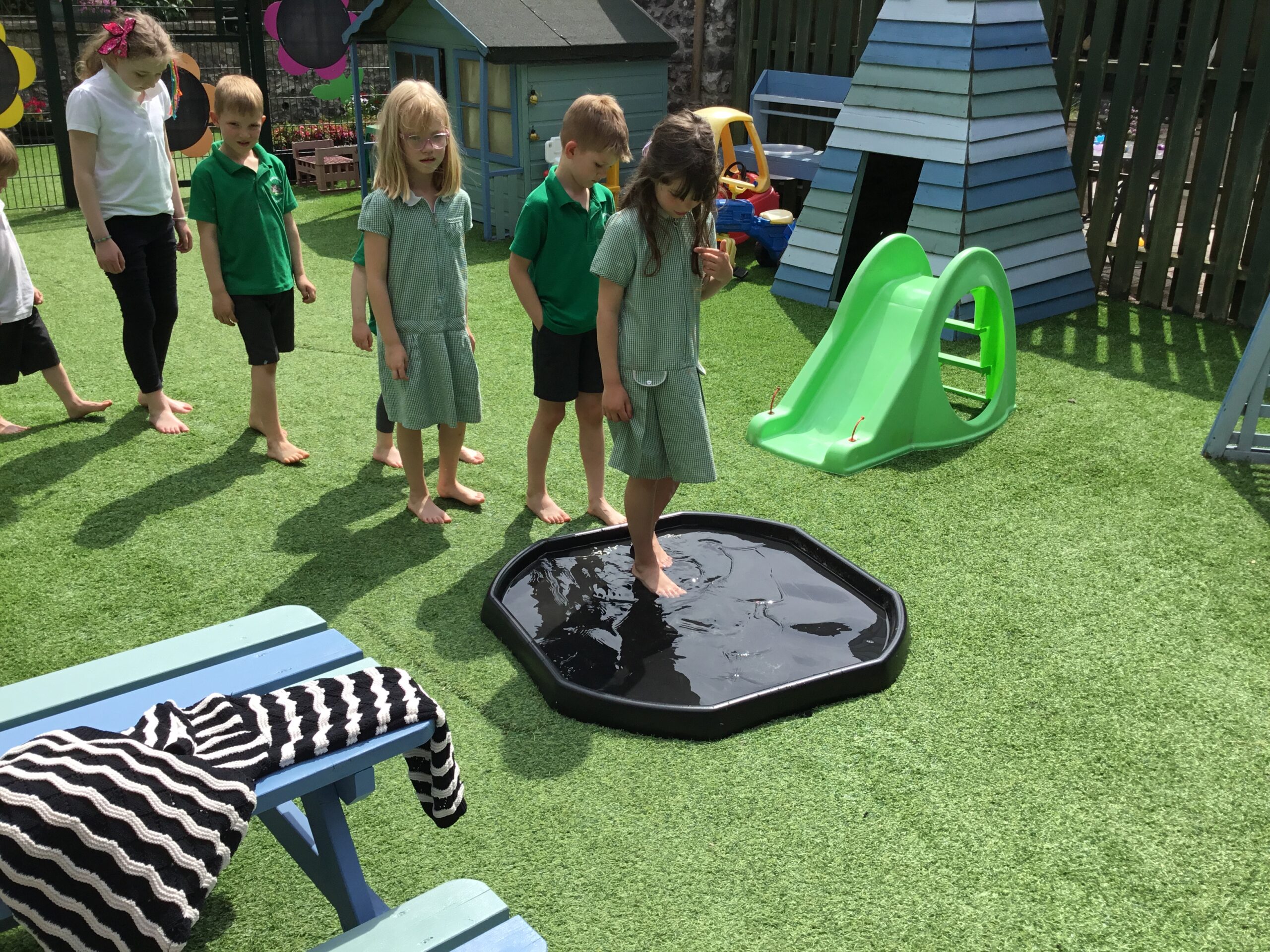
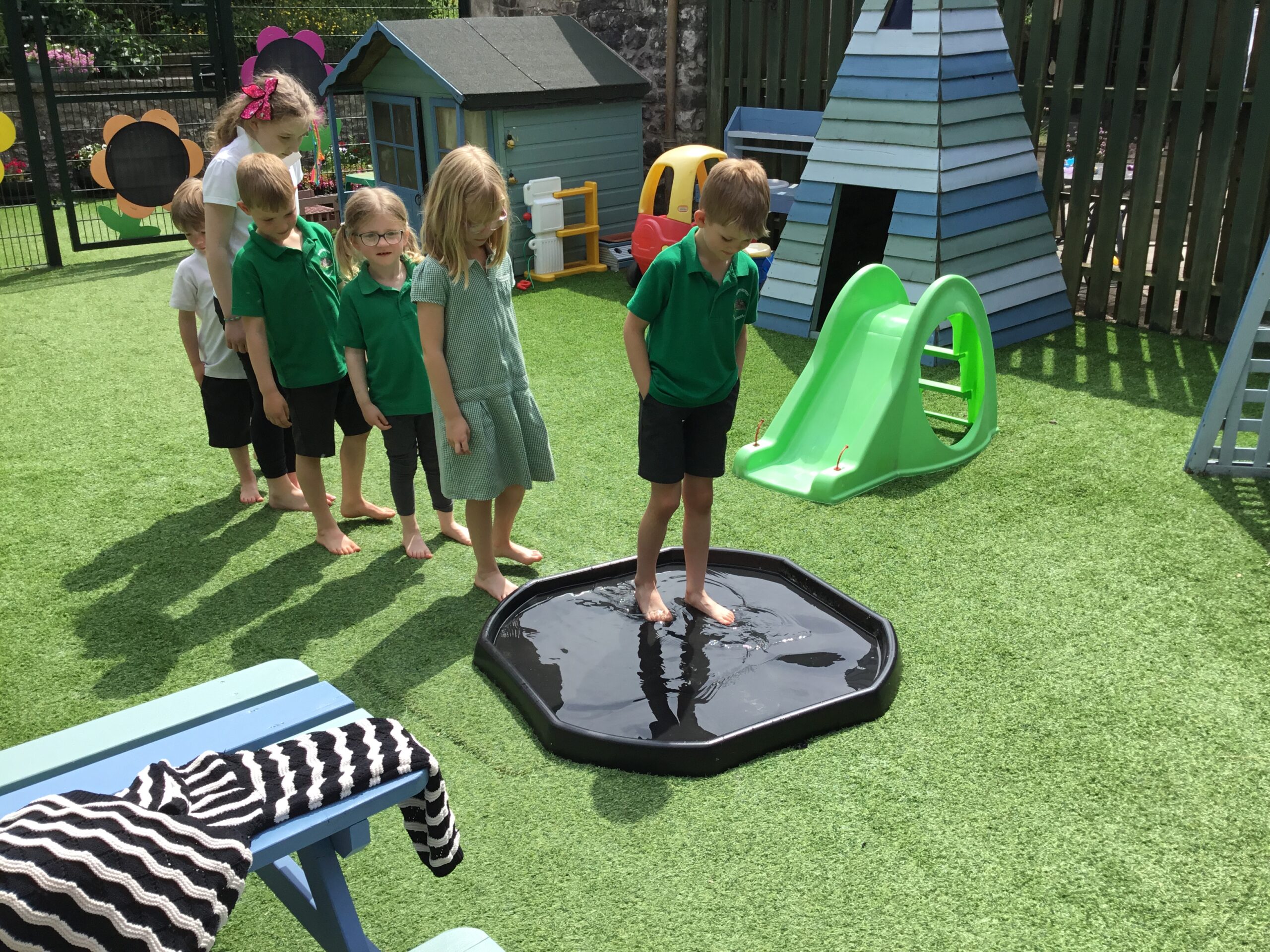
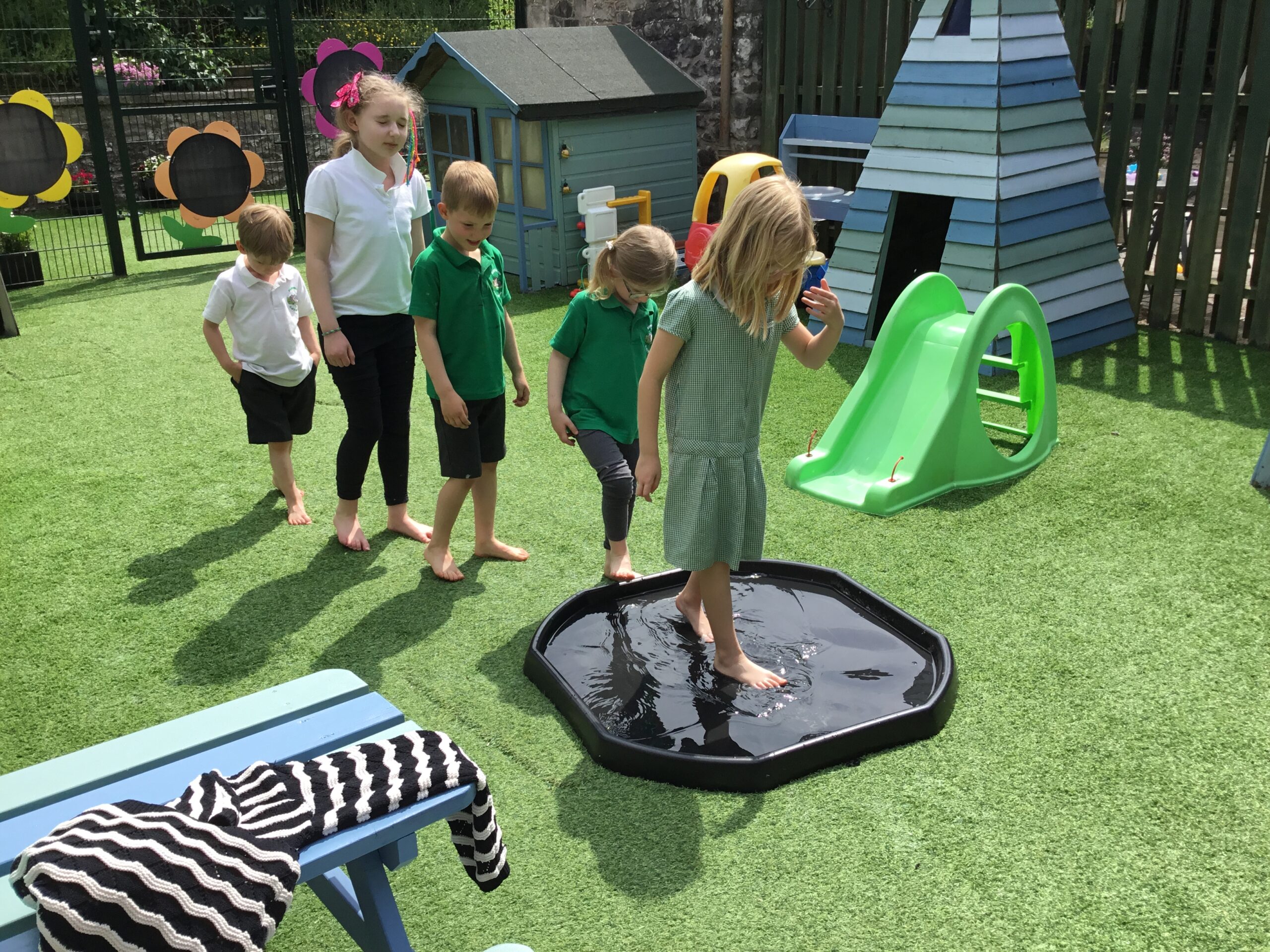
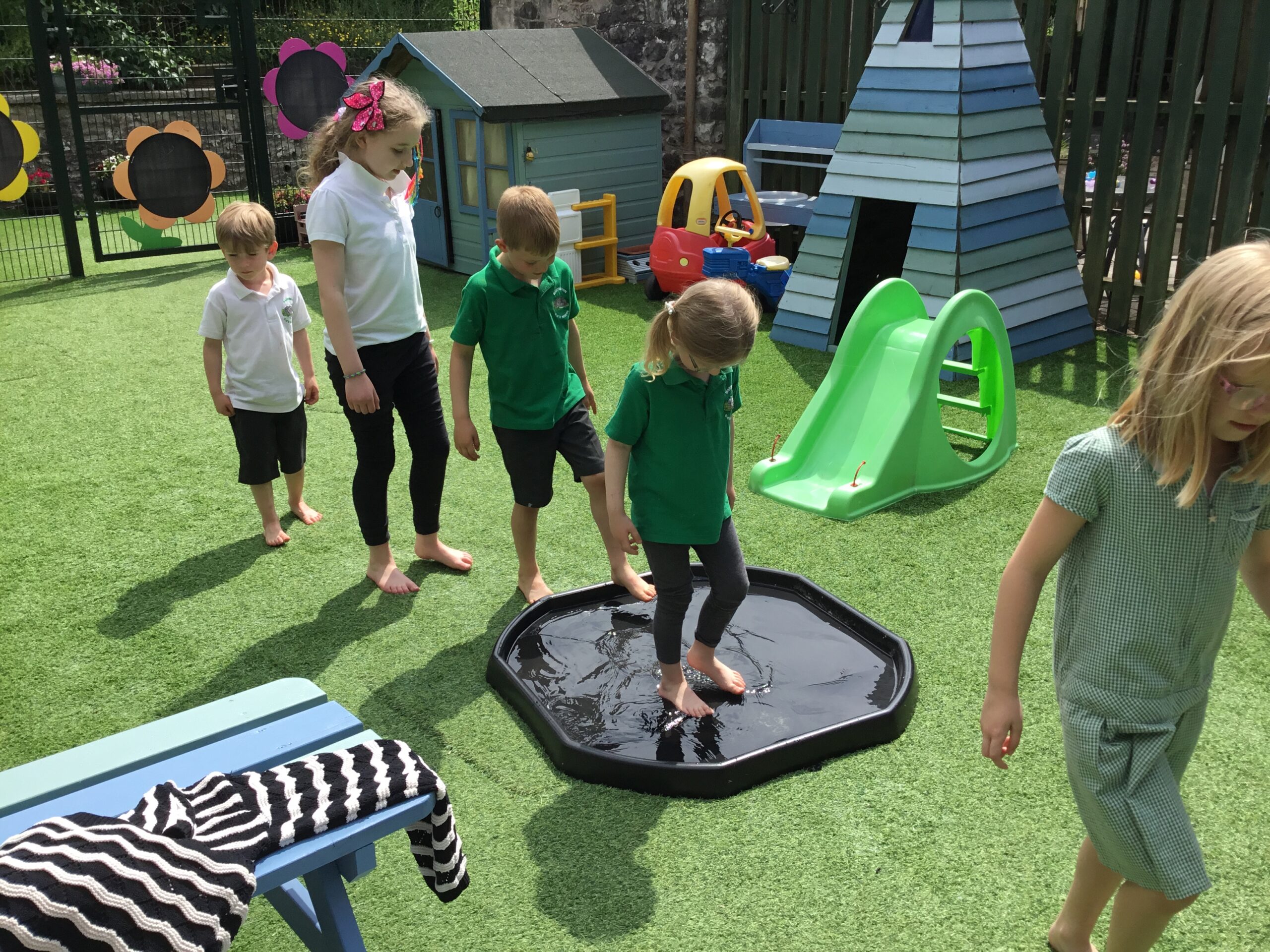
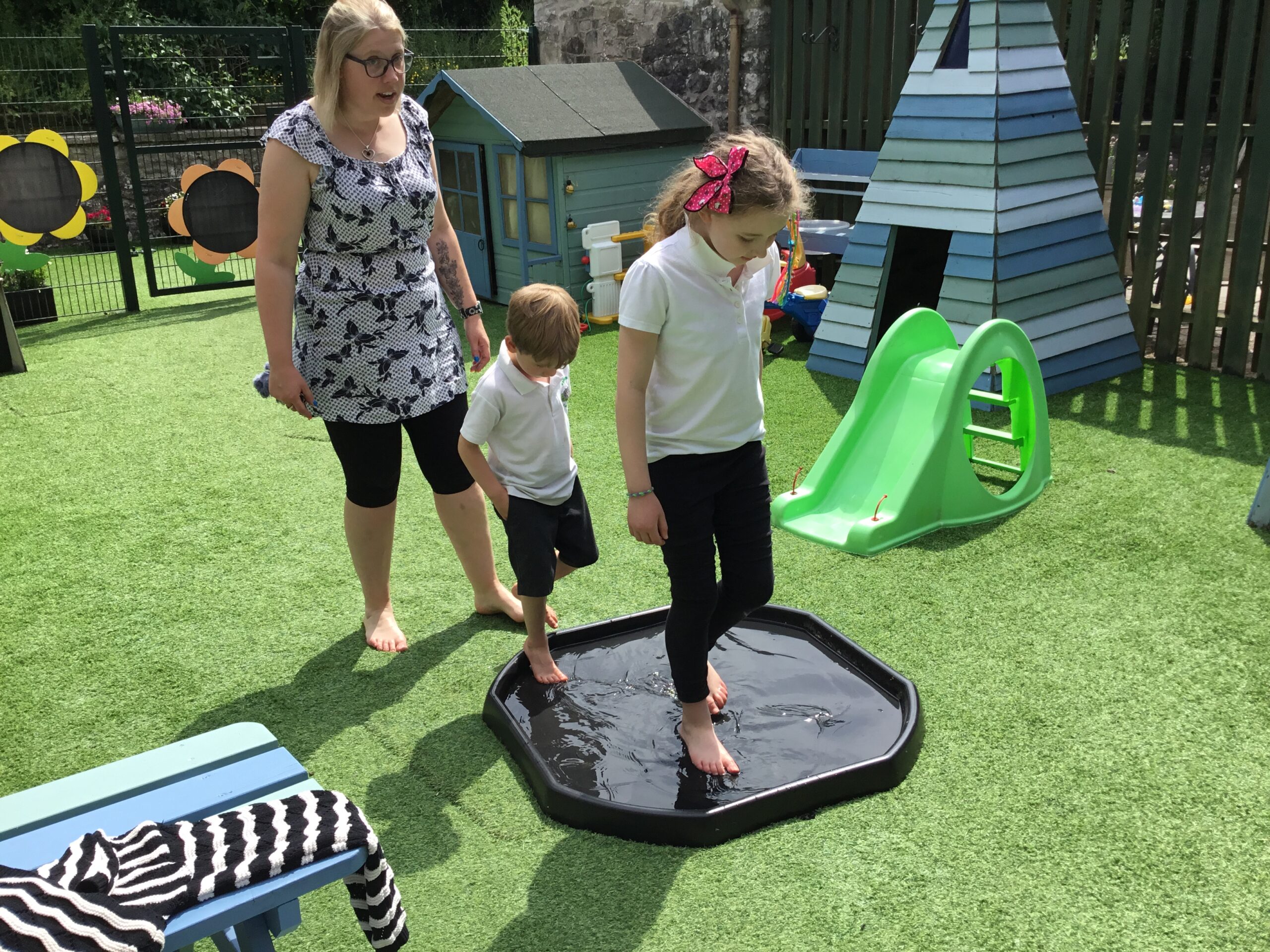
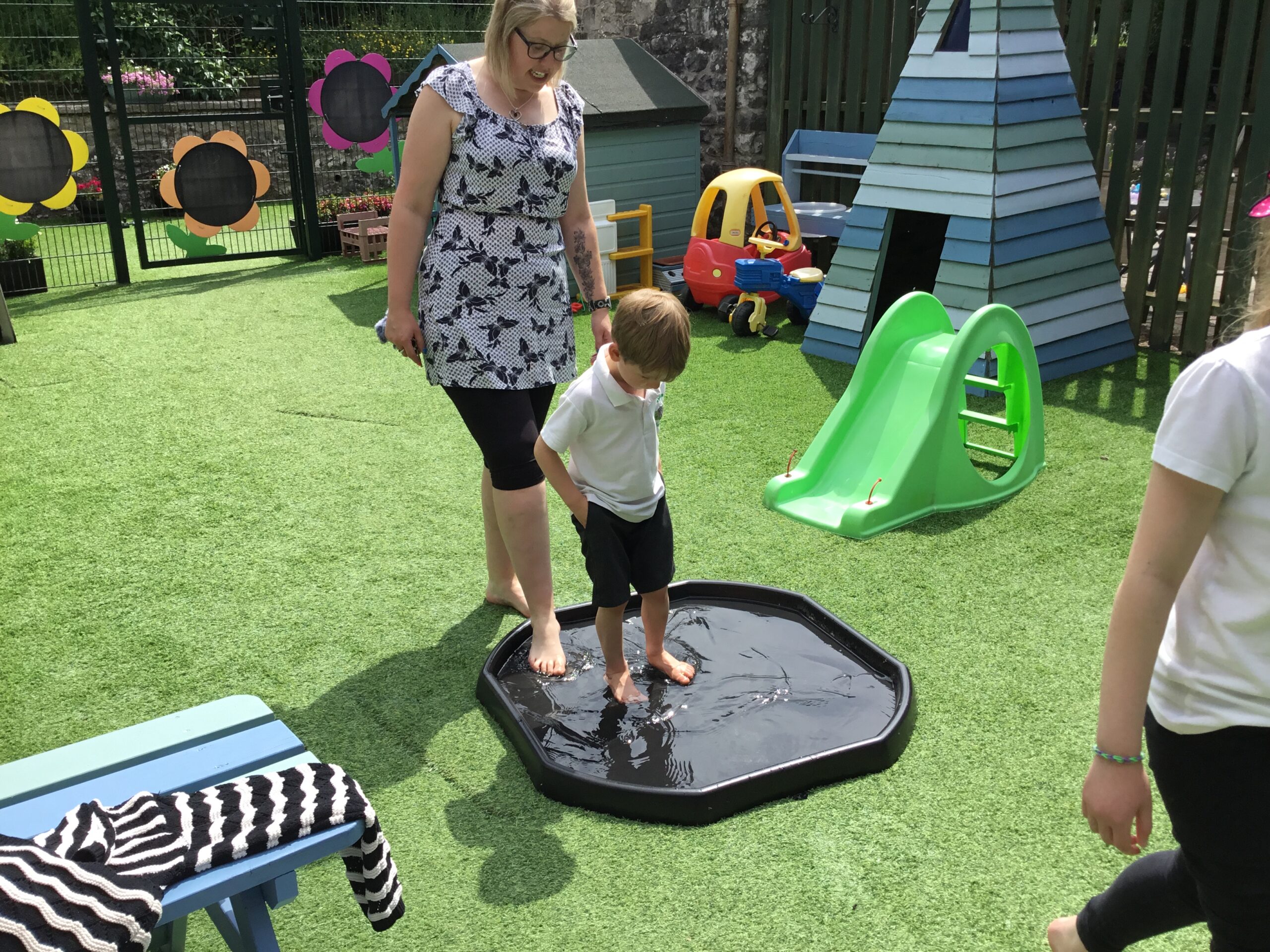
The children created illustrations within the name of God to reflect the stories they could recall from previous teaching. The EYFS children walked along with paint covered footprints to think about many Christians believing that God walks with them through daily life.
‘Your Kingdom come…’ What does kingdom mean?’ ‘What would be in a perfect kingdom?’
Using collage and illustrations the children thought about what their perfect kingdom would look like and how Christians believe the kingdom of heaven is like what happens when a farmer sows seeds. Although sometimes the smallest of seeds, when planted in the good soil they can grow big and strong, reflecting what many Christians believe happens when you let God and Jesus into your life.